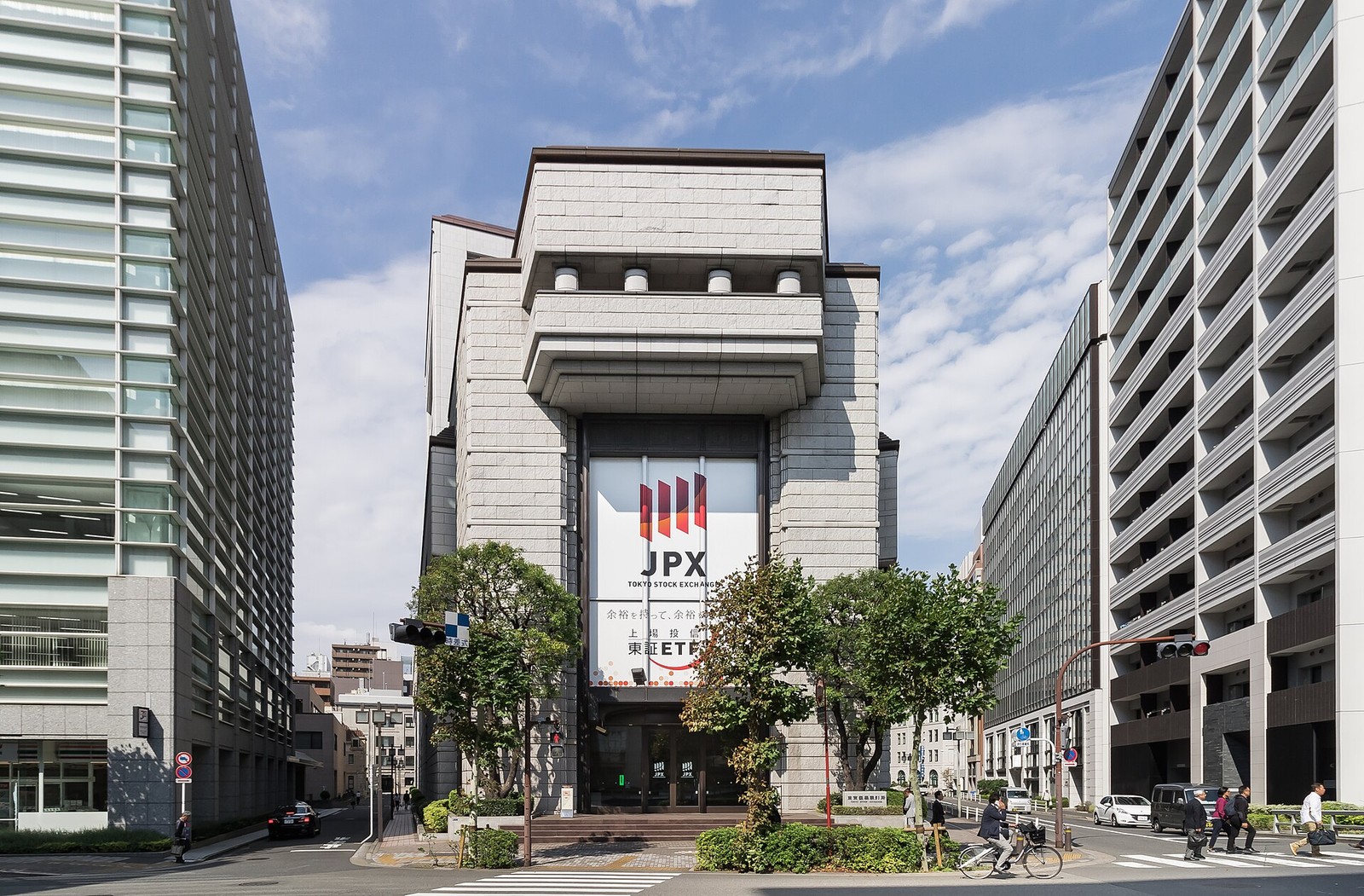
The filing went to the Kanto Local Finance Bureau in Tokyo on Monday, and the number at the top was 552.9 billion yen. At 157.82 yen to the dollar, that is about $3.5 billion of new Anthropic shares, reserved for buyers in Japan as part of the company’s U.S. listing.
The document is short on the details bankers wanted most. It does not state the size of the initial public offering or the valuation Anthropic is seeking. It does say what the money is for: working capital, operating expenses and capital expenditure, according to the filing as reported by Reuters.
Mizuho Securities is leading the Japanese sale. Goldman Sachs, Mitsubishi UFJ Morgan Stanley Securities, Morgan Stanley MUFG Securities, Rakuten Securities and SBI Securities are among the firms distributing the shares, a syndicate that covers the three largest retail brokerage networks in the country. For a listing that has been described for months as the largest technology IPO in years, the Japanese tranche is being sold the way domestic retail offerings are sold: through branches, apps and the sales desks that move allocations to individual investors.
The comparison that will be quoted in Tokyo is SpaceX. When the rocket company listed in June in the largest IPO on record, raising $75 billion, Japanese investors secured $2.2 billion of the shares. Nikkei calculated that Anthropic’s tranche is roughly 60% larger, which would make it the biggest allocation ever sold into Japan by an overseas issuer.
The window is tight. Anthropic filed for the U.S. listing last month, and the shares are expected to begin trading in mid-November, according to people familiar with the timetable. A Japanese retail offering of this size normally needs two weeks of marketing to fill; here the book will be built inside one.
Valuation expectations have been moving in the other direction. Some current and prospective investors have been weighing a lower number after the company’s latest financial disclosures, Reuters reported in mid-October, citing four people with knowledge of the discussions. Investors have discussed a valuation of about $1.5 trillion, though the filing gives no figure and the final price will be set by the book.
Japan’s appetite is the reason the tranche exists at all. The country’s retail investors have spent the past two years rotating out of domestic deposits and into overseas equities, and Japanese brokers have become unusually effective at placing foreign listings with individuals. SpaceX’s June allocation was absorbed quickly, and the shares traded well enough afterward to make the next deal easier to sell. Brokerages also earn distribution fees on the allocation regardless of how the stock performs after listing, a fact that shapes how enthusiastically such deals are marketed.
For Anthropic, the appeal is partly price discovery and partly politics. A large Japanese shareholder base creates a constituency in a market where the company wants enterprise customers, and SoftBank’s own AI investments have made Tokyo unusually fluent in the sector’s vocabulary. It also diversifies a shareholder register that is heavy with American venture capital and Gulf sovereign money.
The risks are the obvious ones. Japanese retail buyers of foreign listings often receive allocations at prices set by institutional demand elsewhere, and they have no lock-up protection against a weak first month of trading. The yen is another variable: at 157 to the dollar, a stronger currency would erode returns for anyone who bought in yen and measures performance in dollars, and a weaker one would flatter them.
There is also the question of what the Japanese tranche says about overall demand. If the offering is as oversubscribed as the SpaceX deal was, the allocation will be small relative to orders and the shares will likely open higher. If it is not, brokers will be left holding paper they promised to place, and the mid-November window will look less like a launch and more like a test.
Anthropic’s business has been growing quickly and spending faster. The company has committed to computing capacity that will require years of capital, and the listing is the mechanism that converts private enthusiasm into a permanent balance sheet. The Japanese tranche is one line of that mechanism, sized at roughly a sixth of the $20 billion OpenAI is currently trying to raise from a different set of investors in a different currency.
That contrast is the story Tokyo will read on Monday. One lab is selling shares to American institutions and Gulf funds, cutting its target as it goes. The other is selling them to Japanese households through the same brokers that placed SpaceX, in a market that has learned to say yes.
The filing itself is four pages of the kind of language that lawyers write and nobody reads: the number of shares, the use of proceeds, the names of the underwriters. Somewhere in the middle is the sentence that matters for the allocation, the one about the offering price being determined later. Japanese investors will find out in mid-November whether the discount they are being offered compensates for the uncertainty they are being asked to carry.