A review on Letterboxd is often four words long. Someone logs a film they watched at home on a Tuesday, gives it three and a half stars, and writes a line that is either a joke or a confession. The site’s real product is the log: a dated, public record of everything a person has watched, kept the way runners keep splits.
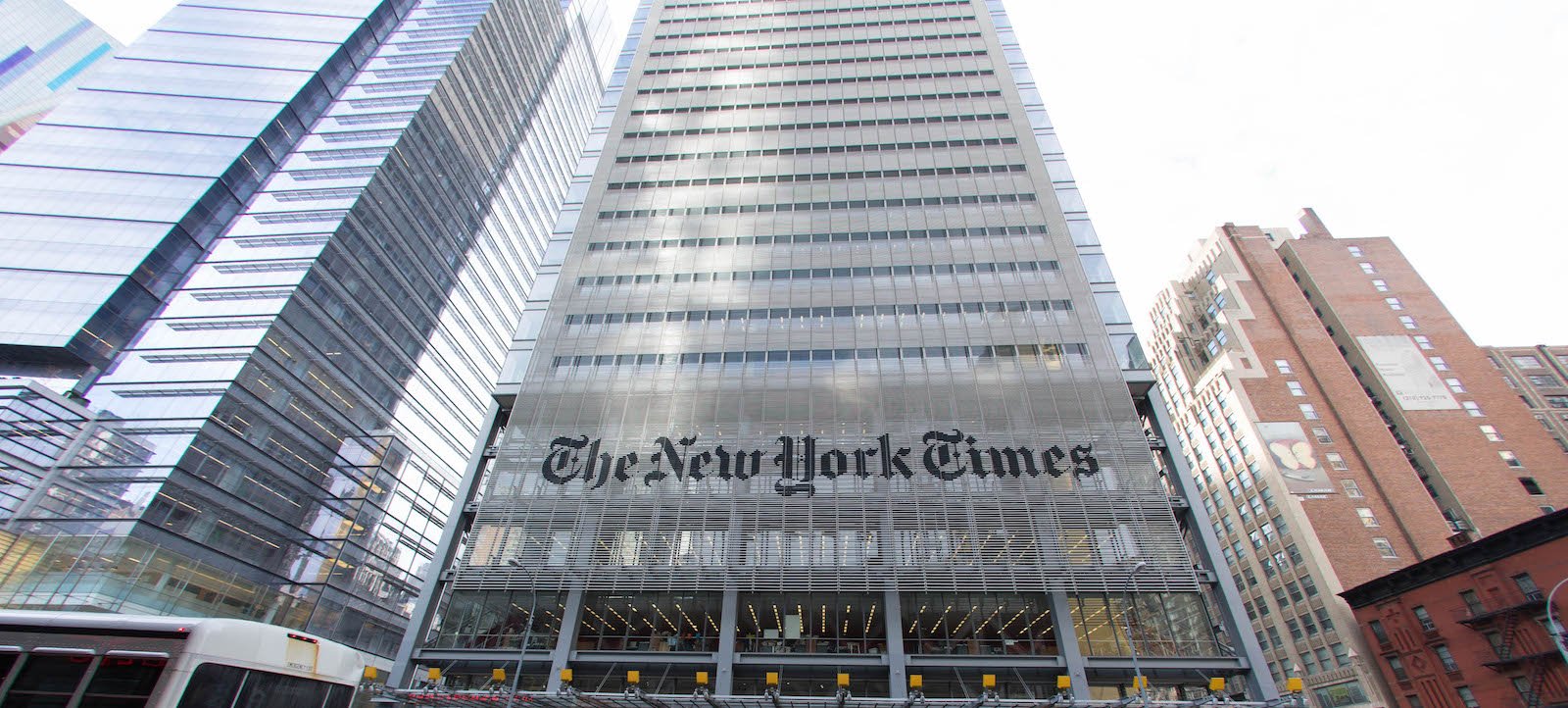
That record is what the New York Times Company is buying. The paper reported on Nov 5 that it had entered exclusive negotiations to acquire Letterboxd for $330 million, a story it broke about itself, which is a disclosure choice as much as a scoop. Talks with other buyers had run earlier, including A24 and Sony, and A24 withdrew over price.
The audience numbers explain the interest. Letterboxd had 3 million users in January 2021 and 28 million by April of this year, a growth curve that most subscription products would trade a division for. More than half of those users are under 35, the demographic that news organizations have the most trouble reaching and the most trouble keeping.
The financials explain the price less well. The company is expected to earn about $15 million this year, which is roughly 4.5% of the offer, or a multiple of about 22 times profit. Divided across 28 million users, the price works out to a little under $12 each. Those are not the numbers of a distressed asset, and they are not the numbers of a cash machine either. Twenty-two times earnings is what a buyer pays when it believes the earnings line is early rather than late.
For the Times, the logic is the bundle. The company has spent years assembling products that sit alongside the newsroom and give a subscriber a reason to keep paying after the news cycle turns, and the ones that work share a property: they are used often, by habit, and they are not interchangeable with a free alternative. A film log qualifies. A person who has recorded four hundred films is not going to start over somewhere else, and the switching cost is emotional rather than technical.
There is a second, cheaper reason. Letterboxd arrives with an audience that already pays attention to release dates, festivals, casts and reviews, which is to say an audience that reads culture coverage. A newspaper that owns the place where young film fans gather owns a distribution channel for its own critics, and it owns the data about what that audience is actually watching rather than what it says it watches.
The risk sits in the same place as the value. Letterboxd’s culture is deliberately small and slightly allergic to scale. Its users police each other’s taste, the site’s interface has barely changed in a decade, and the community’s fondness for it rests on the impression that it is a place rather than a funnel. Buyers of beloved platforms usually promise not to change them, and usually change them anyway, because the reason for buying is to grow the earnings line and the earnings line grows by adding things the community did not ask for.
Advertising is the obvious lever, and the most dangerous one. A feed that sells placement to studios is a feed whose recommendations are for sale. Letterboxd has built credibility on the claim that a rating is a person’s opinion and nothing else. The moment a user suspects that a sponsored title is being nudged upward, the log stops being a diary and becomes a storefront, and the twenty-two times earnings gets re-underwritten at a lower multiple.
Subscriptions are the safer lever, and the smaller one. Charging the existing base more works if the features feel like tools for the hobby rather than tolls on it. That is a slower business than the price implies, which is the tension every media acquisition runs into: the buyer pays for the growth it can imagine, and the growth that actually arrives is the growth the community tolerates.
The A24 exit is the most interesting detail in the reporting. A studio that understands film culture looked at the asset and concluded the price did not work for it. A24 would have been buying taste. The Times is buying reach and habit, which is a different asset with a different buyer, and the fact that the highest bidder is a subscription company rather than a film company tells you what the market thinks Letterboxd is.
That also sets the test for the next two years. If the site is folded into a Times bundle and left alone, the users will barely notice and the subscriber count will climb. If it is turned into a promotional surface for the parent’s film coverage, the community will notice within a quarter, and the people who write four-word reviews are the ones who will say so first and loudest.
Nothing is signed. Exclusive talks are a stage, not a deal, and the price can move or the talks can end. But the shape of the transaction is already visible: a newspaper with a subscription business buying a habit, from a generation it has struggled to hold, at a multiple that assumes the habit can be monetized without being spoiled. Whether that is possible is the only question that matters, and the answer will be written in the product changes the site ships in its first year under new ownership.