The electricity a data center needs is not the scarce thing. The permission to connect it is. In most American markets a new load waits in an interconnection queue while studies are run, upgrades are designed and somebody agrees to pay for them. That queue has become the binding constraint on the buildout, and it is what a bill moving through the Senate is designed to shorten.
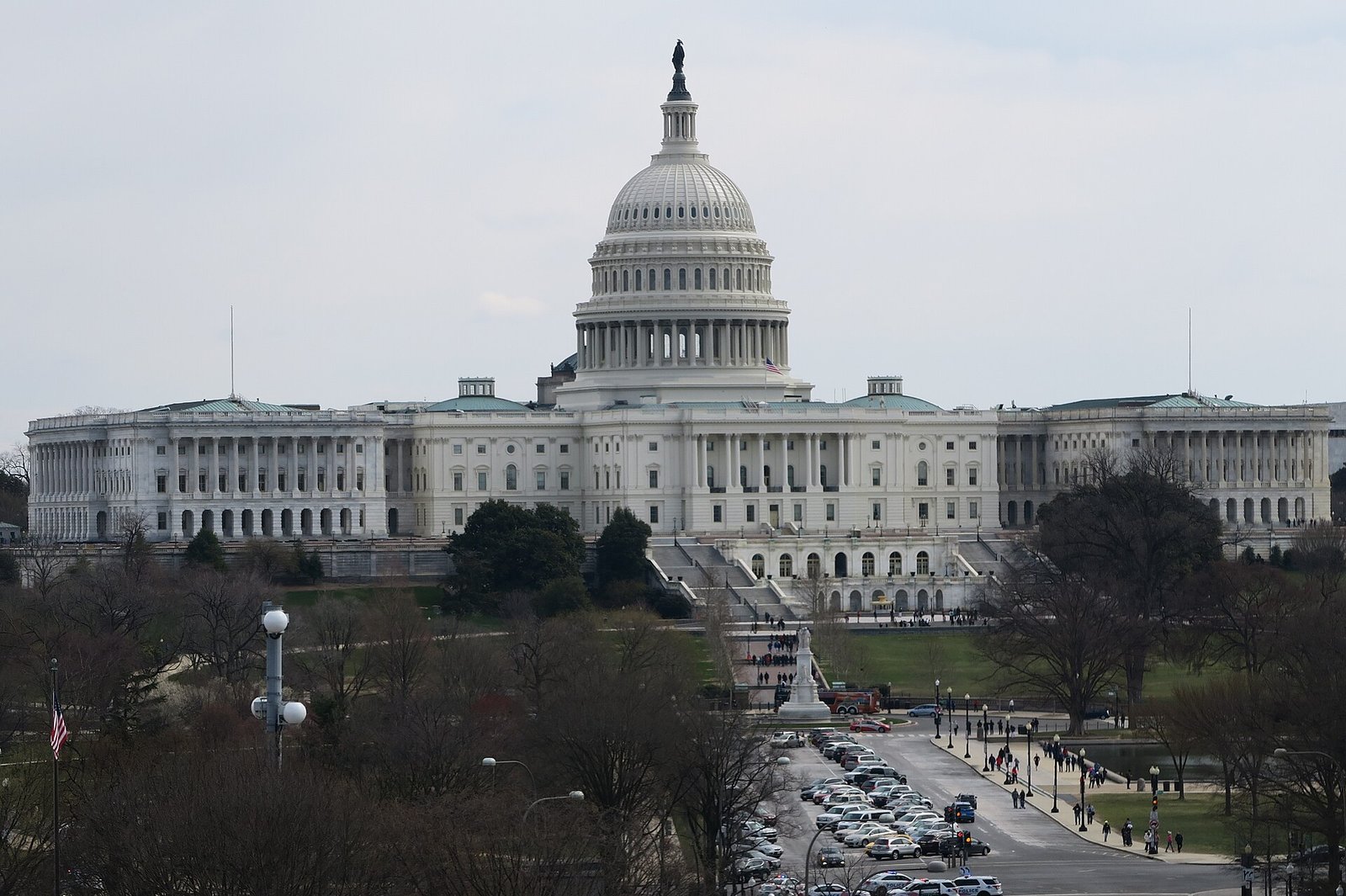
A broad overhaul of how energy projects are permitted has picked up bipartisan support in the Senate and advanced in the chamber’s process, The Verge reported on Nov 6. The bill would compress approval timelines for transmission lines and power plants, the two things that determine whether a campus can be energized.
The mechanics are unglamorous and decisive. A transmission line crossing several states needs federal and state approvals, an environmental review and a set of landowners willing to host it. Each stage has a statutory clock and each clock has exceptions. A project that takes a decade to permit is a project a hyperscaler cannot count on when it commits capital to a building that will be obsolete before the wire arrives.
Supporters argue that shortening those clocks is the cheapest capacity the country can add. A plant that is ready to build but waiting on a study is capital sitting idle. The same logic applies to transmission, where the constraint is frequently not generation but the wire that carries power from where it is produced to where the servers sit.
Objections are concentrated and serious. Opponents say the bill would open the door to high-polluting projects by narrowing the grounds for challenge, and that it weakens review of new projects at the moment siting decisions are moving faster than communities can respond. Environmental groups and some state regulators have made that argument in the same terms for years, and the bill’s sponsors have not tried to refute it so much as weigh it against delay.
The opposition’s strongest point is procedural. American energy litigation is not an obstacle course bolted onto the process. It is the process, and it exists because agencies have been wrong before. A statute that shortens timelines also shortens the window in which a wrong decision can be caught. Supporters answer that the current system catches everything and builds nothing, which is a cost paid in higher prices and in projects that never happen.
For the data center industry the appeal is timing. Power is now the gating item in nearly every large project, ahead of chips and ahead of land. Companies have signed agreements to fund generation directly, bought retired nuclear sites and paid for grid upgrades themselves, all to escape the queue. Legislation that shortens the queue changes the value of those workarounds, and it changes who holds the stronger hand in a negotiation with a utility.
There is a money question the headlines skip. Upgrading a transmission network to serve a new load costs real capital, and the rules that decide who pays, the interconnection customer, the utility’s other ratepayers or the federal government, are contested in every proceeding. A faster approval does not settle that. It moves the argument forward to a stage where the sums are larger.
What the bill cannot do is manufacture equipment. Transformers are backordered for years. Gas turbines are sold out well into the next decade. Line crews and permitting engineers are in short supply, and a faster approval for a project that cannot obtain a transformer delivers nothing. The bottleneck has moved around the system faster than policy has, and each fix has revealed the next one.
There is a second constraint no federal bill reaches. Most siting authority sits with states, and several have become less willing to host large loads, particularly when the load is a data center whose tax revenue is negotiated and whose water use is visible to neighbors. Federal timelines do not override a county board that votes no, and the politics of those votes have hardened as the loads have grown.
The counterargument to the whole effort is that speed without consent produces litigation, and litigation produces delay of a different kind. A project permitted over local objection faces years of challenges, injunctions and reopening, and the cost of defending it lands on the developer. Countries that build infrastructure quickly tend to do it with less consultation. The American system has traded speed for legitimacy on purpose, and the trade has a price the bill does not repeal.
What the Senate’s move establishes is narrower than a fix. It establishes that the constraint is now understood as political rather than technical, and that both parties have reasons to want the queue shorter. Whether the relief arrives before the next wave of campuses is energized, or years after the demand has already been met by gas turbines behind the meter, is the part that will be settled in the details.