New microdramas land on Peacock every Monday. The episodes run 60 to 90 seconds, each one ending where a cliffhanger would sit in a soap opera, and the platform says viewers watch them in stretches of up to half an hour at a time.
That number is the argument. Peacock, NBCUniversal’s streaming service, has roughly 48 million paying subscribers and a problem common to every mature streamer: growth in hours watched is harder to buy than growth in sign-ups. Microdramas are cheap to license in volume, they arrive weekly, and they hold people in the app long enough to sell advertising against them.
The service is pursuing them on two tracks. It licenses scripted series from ReelShort, the app that built the format, drawn from romance, fantasy, melodrama and young-adult genres. It also makes its own, including two unscripted Bravo productions, “Campus Confidential: Miami” and “Salon Confessionals with Madison LeCroy,” built around personalities the cable network already owns.
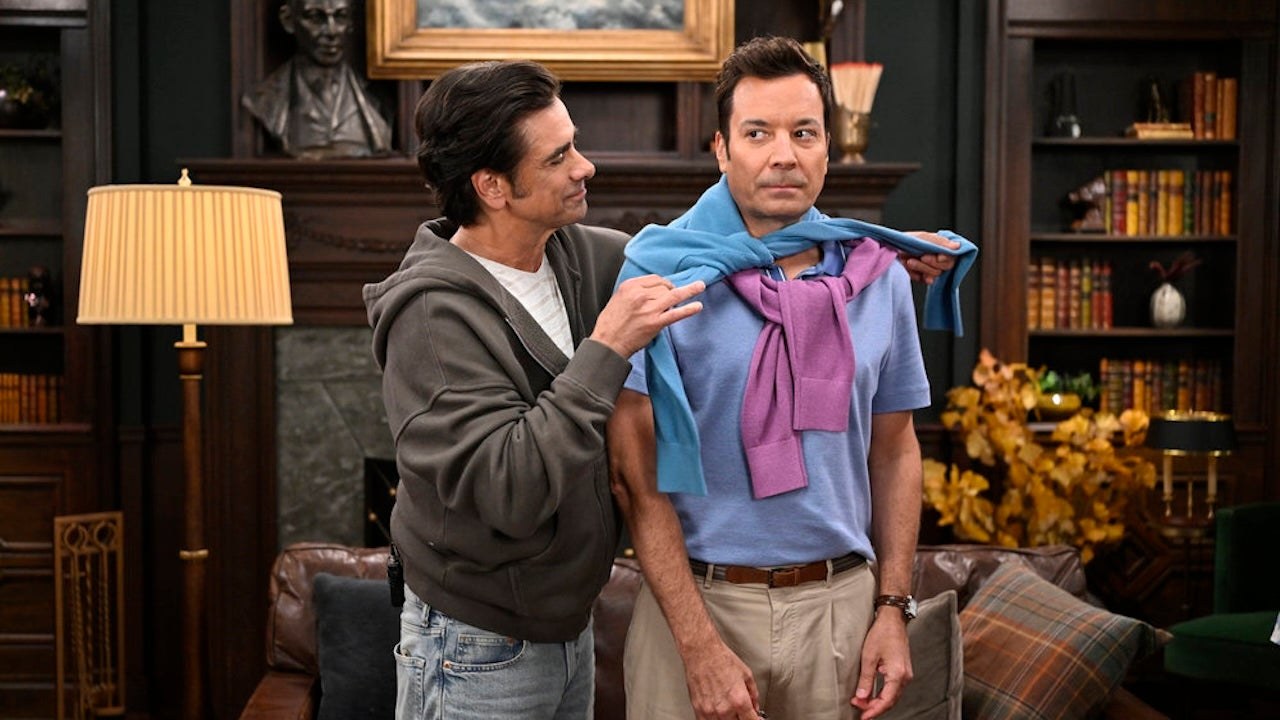
Then there is the joke version. “The Tonight Show” has been running a microdrama satire, “Who Billionaire? Me Billionaire,” with Jimmy Fallon playing the genre’s tropes straight enough to be funny. It drew about 20 million views, and a second season is coming. A format becomes a business when the people mocking it are also selling it.
None of this is sold separately. Microdramas are included in the subscription, which distinguishes Peacock’s approach from the coin-and-unlock model that ReelShort and DramaBox use, where viewers pay by the episode. Peacock is trading direct revenue for time spent, on the theory that time spent reduces cancellations and improves the advertising inventory.
The company previewed a broader mobile overhaul on Nov. 11, with features rolling out through early 2027. Franchise Hubs gather a show’s episodes, clips, podcasts, games and live moments in one place. A Clips Feed collects vertical video. Conversational search is being tested for viewers who know the mood but not the title. Executives have described the goal in plain terms: win another hour per user, per month.
Vertical video has been on Peacock for about two years, which makes the service an early mover among American streamers rather than a follower. The next step is live. Peacock plans to extend its vertical live tests to “The Voice” simulcasts, NCAA basketball and golf, and to build a player that switches between vertical and horizontal automatically as a phone turns, keeping the action in frame. For NBA games, the vertical view will carry player statistics underneath the feed.
The strategy has a logic that is easy to state and hard to execute. Short-form viewing is where the habit already lives, on TikTok and YouTube, and a streamer that cannot capture the habit has to buy attention through marketing instead. Microdramas give Peacock a supply of content that is native to the phone, produced at a cost per hour that traditional scripted television cannot approach, and serialized enough to bring people back on a schedule.
The costs sit in the same places they always do. Volume formats attract volume complaints about quality, and a service that carries both “The Traitors” and a werewolf romance is asking subscribers to accept a wide definition of the brand. Licensing from ReelShort means the most proven titles are also available on the app that made them.
There is a measurement problem as well. Thirty minutes of microdramas is thirty minutes not spent on a two-hour film or a football game, and the subscription economics depend on the second kind of viewing, where the advertising rates are higher and the rights are owned outright. Peacock’s bet is that the short sessions add to the day rather than replace the evening, and that a viewer who opens the app on a commute opens it again on a Saturday.
Rivals are watching the same data. Disney, Netflix and Paramount have all experimented with vertical or short-form programming, and the format’s pioneers built billion-dollar businesses on it before any American studio took it seriously. The advantage Peacock holds is distribution inside a bundle of live sports and Bravo reality shows, which is a lead that lasts only as long as the next rights deal.
Peacock is not relying on microdramas alone to move that number. The same redesign promotes interactive games, among them “Law & Order: Clue Hunter,” and the company says players spent up to 15 minutes per session in early tests, with more than a third of ScoreCard players returning for another round. Games cost less than television, and like microdramas they generate session data that can be used to place a viewer in front of a better recommendation.
The open question is whether a habit formed in 90-second pieces converts into hours inside the app. Peacock is spending on the assumption that it does. The weekly Monday drop will show soon enough whether the audience that came for the cliffhanger stays for the rest of the library, or treats the whole thing the way it treats a feed: something to scroll until something better arrives.