
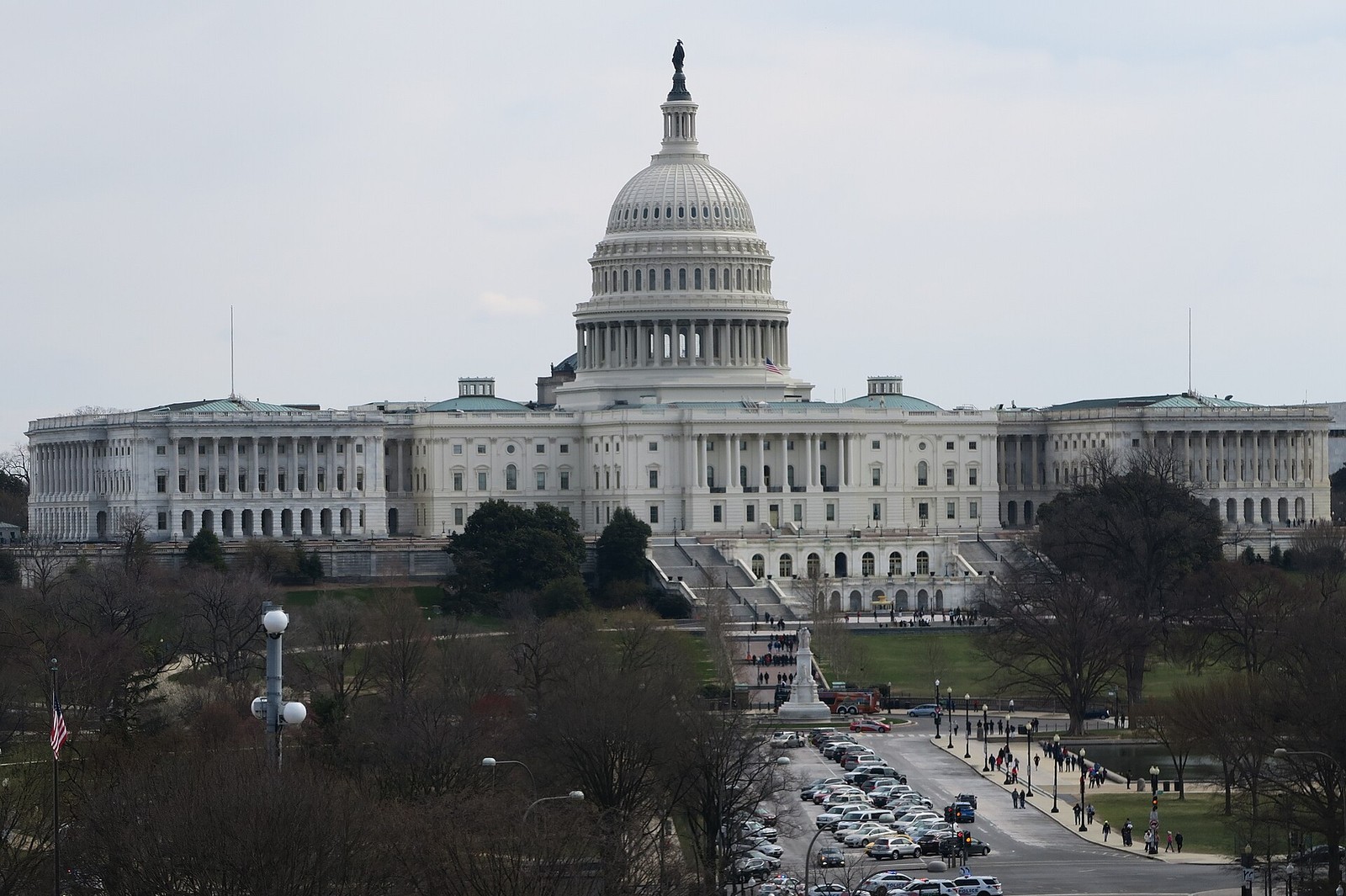
The Senate Banking Committee posted a hearing notice on Nov. 23 listing Jensen Huang as a witness on export controls, scheduled for Dec. 3. Huang, who was restored to Nvidia’s chief executive role this week, had already agreed to appear at two House hearings on Dec. 1, before the Foreign Affairs Committee and the Intelligence Committee.
Three appearances in two days, for a man who has held the job again for less than a week. The calendar is the story. A chief executive usually spends his first weeks calling customers and reassuring employees. Huang is spending his in front of the committees that write and oversee the rules his company’s products are sold under.
What Congress wants to ask about is the machinery of export control: which chips can be sold to which countries, who decides, and whether the current list of restricted items is doing what it was meant to do. The three committees approach the subject from different angles. Foreign Affairs holds jurisdiction over the diplomatic side of technology competition. Intelligence looks at what the rules are meant to prevent. Banking oversees export administration and the sanctions apparatus that sits beside it.
For Nvidia, the practical meaning of those rules is revenue. Export controls determine which of the company’s products can be shipped where, and every tightening of a threshold creates a product that has to be redesigned, a customer that has to be dropped or a market that has to be served from somewhere else. The company’s sales machine was built to ship the fastest available part. The rules were built to make some of those shipments impossible.
The timing of the testimony is unusual for a second reason. Huang’s return followed a board decision on Nov. 23 that reversed his departure, and the decision was made after the board consulted senior officials in the U.S. government and concluded that his return raised no national security concern. A chief executive who arrives with that sentence attached to his appointment walks into a hearing with less room to argue than the job normally allows.
The Megaspeed case will be in the room whether or not it is on the agenda. On the same day the hearing notice went up, multiple outlets reported that the Commerce Department intends to add Megaspeed, a Singapore-based cloud provider, to the Entity List, which would require U.S. companies to obtain a license before supplying it. Megaspeed is a significant buyer of Nvidia chips, according to the reports, and it is under investigation by authorities in the United States and Singapore over the alleged diversion of chips. The company has denied the allegations.
The sequence is worth spelling out because it is the pattern that the hearing is likely to test. A company buys chips. The chips are supposed to stay in one place. Investigators allege they went somewhere else. The response is a listing, and a listing turns a commercial relationship into a licensing question overnight.
For Nvidia, the exposure is not one customer. It is the compliance architecture around every distributor, reseller and cloud partner in a region where the company’s products are in demand and the enforcement chain is long. A single listing does not change the revenue line much. A pattern of listings changes how the company sells.
The argument in Congress over export control usually splits in two. One side says the restrictions should be broader and enforced harder, on the theory that any chip that reaches a restricted buyer is a failure of the policy. The other says the restrictions have pushed buyers toward domestic suppliers and have cost American companies market share without changing the destination of the technology.
Huang will be asked to argue the second position under oath. The difference between a conference appearance and a hearing is that the second one produces a transcript.
The House hearings on Dec. 1 give the week its shape. Foreign Affairs and Intelligence will each get a session, and the questions are likely to differ: one committee focused on the policy toward specific countries, the other on how the technology gets diverted and what the intelligence shows about where it ends up. The Senate hearing two days later will have the benefit of whatever was said in the first two.
A witness who appears three times in a week gets one advantage and one risk. The preparation is shared. The risk is that an answer given on Dec. 1 becomes the question on Dec. 3, and a company that has to explain a listing announced in between has to explain it live.
Congressional hearings on export control rarely produce legislation directly. They produce a record, and the record is used later by agencies writing rules and by members deciding whether to attach amendments to bills that have to pass. A chief executive who testifies well can shape that record. One who testifies badly becomes a citation.
For the industry watching from the outside, the signal to look for is not whether Huang defends the current rules. It is whether the committees treat the Megaspeed listing as evidence that the rules work or as evidence that they are too easy to get around. The two readings lead to different legislative appetites, and the difference will show up in what gets proposed next year.
The notice gives a committee, a date and a subject. It does not say how far the questioning will go.
What is unresolved is the direction of the policy the hearings are meant to inform. The rules have tightened in steps, each one justified by a specific case, and the cases keep arriving. A chief executive can argue about thresholds and licensing. He cannot argue about the destination of a shipment that investigators say went somewhere it should not have, and that is the argument that will be made in the room on Dec. 3.



