
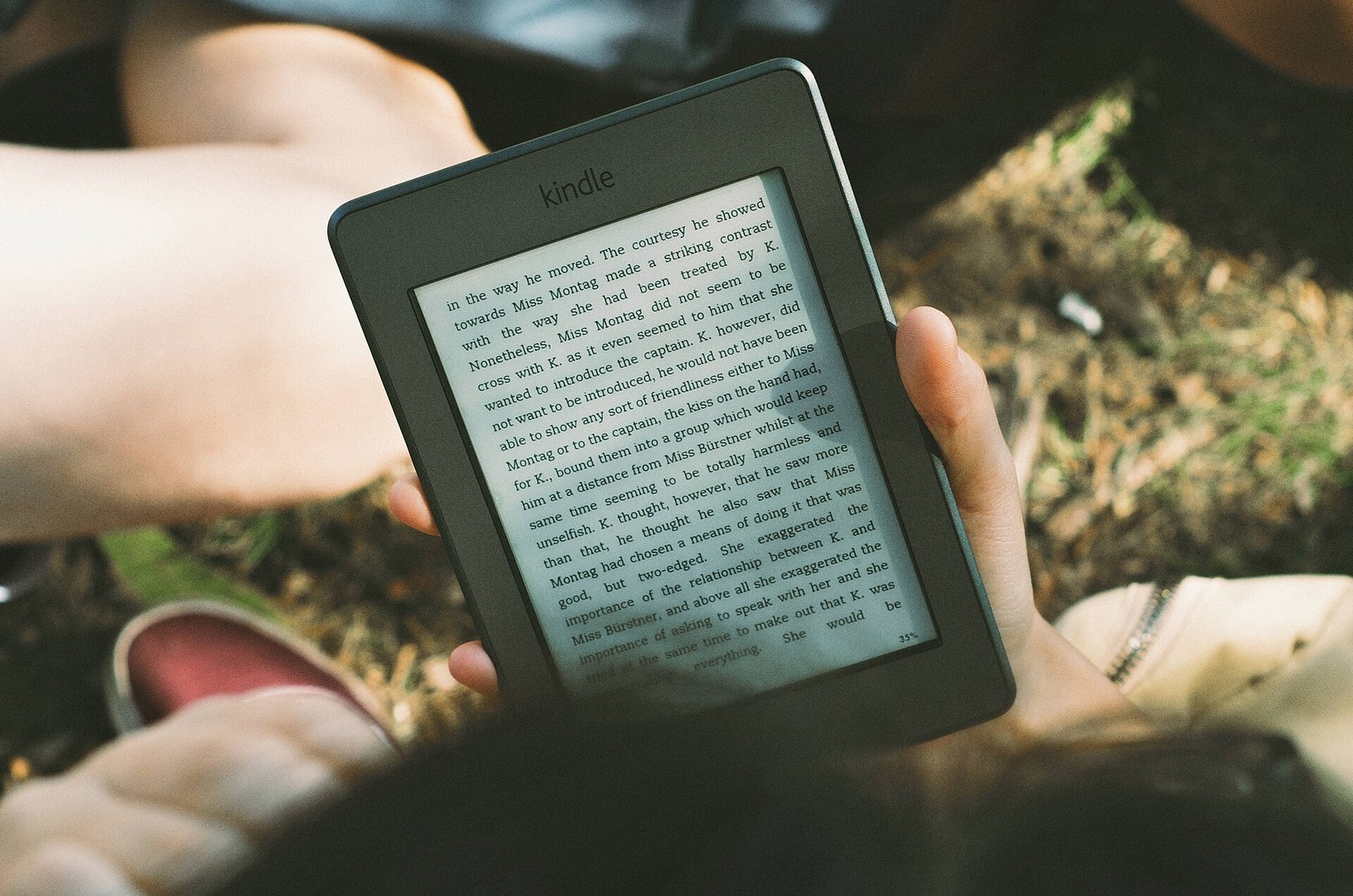
The Kindle Paperwhite that Amazon started selling in November 2018 and the tenth-generation Kindle that followed in April 2019 are, by the standards of consumer electronics, young machines. Both still hold a charge. Both still turn pages. Both, according to a notice from Amazon, stop receiving software on Dec. 31, 2026.
The notice is short and specific. From that date Amazon will no longer push system updates or security patches to either model. The company did not describe the change as a recall, and the announcement concerns software rather than hardware. What ends is the pipeline that has kept two devices in step with the fleet around them.
For an e-reader that pipeline matters more than it would for a television. A Kindle is a thin client for a store, a library and a sync service, and each of those depends on code Amazon controls. When updates stop the device does not fail on a schedule. It drifts. A rendering quirk that shows up in a new book format waits for a fix that will not come. A certificate expires and is not renewed. A protocol changes on the server side and is adjusted for every model except the ones no longer on the list.
Security is the sharper edge. A reading device holds an account, a purchase history and often a payment method. Patches exist because people find ways into software written years earlier. Once patching stops, the exposure is frozen at whatever it was on the last update, and any flaw discovered afterward stays open for the life of the device.
The two models now aging out sit at an awkward point in the line. The 2018 Paperwhite was the first of its name with a waterproof body and a flush screen, a design Amazon kept for years. The tenth-generation Kindle was the entry model, the one sold at a price meant to put a reading device in a house that did not have one. Between them they cover both ends of the market: the reader who wanted a better screen and the reader who wanted a cheaper one.
Owners have options and none of them are free. The device can go through Amazon’s trade-in program, which converts it into credit toward a newer model. It can be sold secondhand, where buyers now ask which generation they are getting and whether the software is still current. Or it can be kept offline as a container for books already downloaded, which works until a title needs to be fetched again or an account needs to be reauthorized.
The secondhand market is where the effect will show first. Resale values for electronics are set as much by the remaining support window as by the hardware, and a model with a published expiration date trades at a discount even when it works perfectly. Sellers who list a Paperwhite without naming the generation are already a regular complaint among buyers, and the notice gives those buyers a reason to ask.
There is a wider pattern that device makers have been slow to confront. A phone receives years of updates because carriers and regulators demanded it. A reader, a watch, a thermostat or a pair of headphones gets whatever the manufacturer feels like providing. The hardware outlives the software by years, and the customer learns where the boundary sits only when the notices go out.
Amazon’s arithmetic is not hard to read. Maintaining firmware for a reader that first shipped eight years ago costs engineering time, and the company would rather spend that time on the models it sells this quarter. The announcement is a scheduling decision by a company that has concluded the tail is no longer worth carrying.
The users on the other end are being told something narrower than it first sounds. Nothing in the notice says the devices stop working on Jan. 1. What it says is that nobody at Amazon will be fixing them after Dec. 31, which for a connected device is a slower and more consequential statement.
That distinction will matter to the people who bought these machines for a specific purpose. A Kindle in a school library, a clinic waiting room or a cabin without reliable power is not a gadget being upgraded; it is infrastructure with a fixed job. The reader who bought a Paperwhite in 2018 because it was waterproof and could go in a bath did not buy a two-year subscription to a service, though that is closer to what the purchase turned out to be.
The environmental reading is also unflattering. A device that works and cannot be secured is a device headed for a drawer and then a bin, and the components inside it, including a battery and a display stack, were manufactured at real cost. Extending support costs a software team. Replacing the hardware costs the customer a full unit and the supply chain another round of mining and assembly.
Amazon has not said whether a final update will ship before the cutoff. It has not said whether the two models will keep access to the store and to purchased titles indefinitely, or whether that access will be withdrawn in stages. It has not said what it will tell owners who call support in January 2027 with a device that has stopped syncing.
Those are the questions buyers will ask first, and the notice does not answer any of them. What it establishes is a date. The rest of the terms, the ones that decide whether an eight-year-old reader is a usable object or a piece of plastic with a library trapped inside it, are still unspecified.



