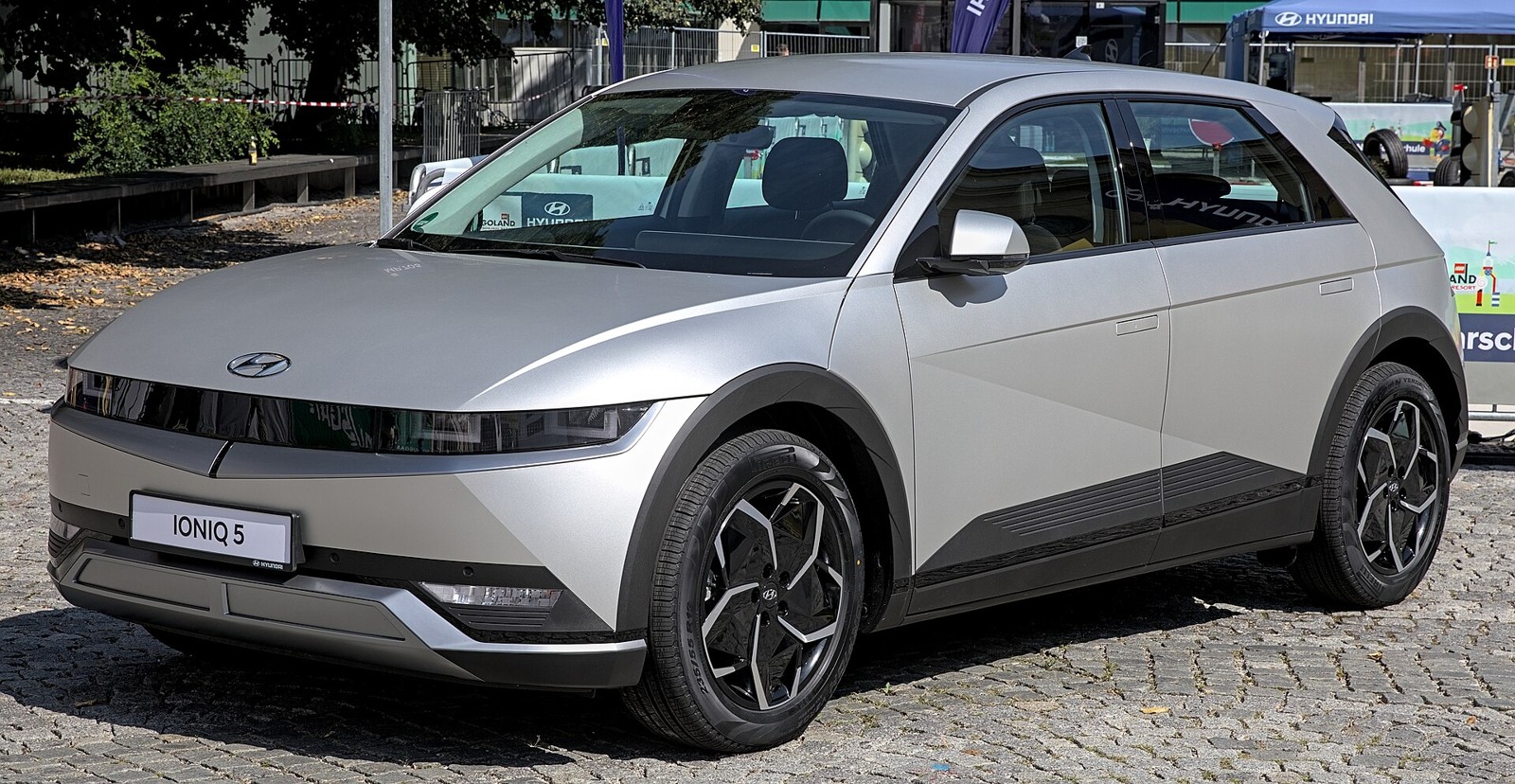
Amazon has spent two years selling cars in the United States without ever touching one. Customers choose a vehicle from dealer inventory, pay online, and collect it at the dealership, which remains the party that owns the car until the paperwork is signed. On Nov. 25 the company said it will take that model to Britain in early 2027, its first market outside the United States, with Hyundai as the first brand on the site.
Hyundai confirmed the expansion in its own release the same day, which tells you something about how the arrangement was negotiated. Carmakers do not usually let a retailer announce their participation for them. The joint timing suggests a partnership both sides want to describe as a partnership rather than as a concession.
Britain is an odd first choice and a logical one. It is small enough that a single national launch is manageable, dense enough that dealers are never far from a customer, and English-speaking, which removes a layer of cost from a product built in Seattle. It also has a car retail market that has been unusually hospitable to online experiments.
The structure of that market helps. British car retail runs on a franchise system in which manufacturers sell through appointed dealers rather than directly, and franchise law gives dealers considerable protection against being cut out. Amazon is not trying to replace them. It is renting their inventory, which is the only version of the model that works without a fight.
What the company gets from the arrangement is the part of the transaction that happens before the customer walks into a showroom. Product research, configuration, financing quotes, trade-in estimates and the deposit. That is where Amazon’s strengths are, and it is where traditional dealers have always been weakest.
What the dealers get is a lead they did not have to generate. A car sold through the site is a car sold at a price the dealer set, with the margin intact and the paperwork unchanged. The trade is traffic for inventory, which is the same trade Amazon made with third-party sellers two decades ago.
The history of online car retail in Britain is not encouraging. Several well-funded startups tried to buy and sell vehicles directly, took on inventory risk, and discovered that the used-car business punishes anyone who misjudges residual values. The survivors are marketplaces, not merchants. Amazon has chosen the marketplace side.
Hyundai’s interest is easier to explain. It is a growing brand in Britain with a wide electric lineup and a dealer network that would like more qualified buyers. Being first on a platform that has not yet launched is cheap positioning, and the company has been willing to experiment with direct-to-consumer channels in other markets where the rules allowed it.
Amazon’s British footprint gives the launch a head start. The company already runs a large fulfilment network in the country, along with a payments stack and an advertising business, and it has spent years persuading British brands to sell through its marketplace. A car listing is a heavier product than a toaster, but the plumbing underneath is much the same.
The wider significance is what it says about Amazon’s retail ambitions after groceries. Selling cars is a way to test whether the company’s logistics, payments and advertising machinery can be pointed at a high-ticket purchase that requires a human handoff. If the model works in Britain, the list of markets where the same structure exists is long.
Cars also carry an advertising business that suits Amazon’s ad system unusually well. A shopper configuring a vehicle is a shopper with a budget, a timeline and a set of alternatives in mind, and the queries that describe that state are valuable to insurers, lenders and accessory sellers. Amazon has been building automotive advertising for years without a place to put the transaction.
The obstacles are ordinary and real. Registration and plate cycles in Britain push demand into two months of the year, which makes inventory planning harder than in the United States. Trade-in valuations differ by region. Delivery timelines quoted online have to match what a dealership can actually promise on a Saturday morning.
There is also the question of how much of the buying decision a website can absorb. Most car buyers still want to sit in the vehicle, and the dealers who survive will be the ones with cars available to sit in. Amazon’s model depends on those dealers being well stocked, which puts the company in the position of caring about someone else’s floor plan.
For now the announcement is a date and a partner. No pricing, no list of participating dealer groups, no indication of how many Hyundai models will be listed at launch. Amazon has said only that the service will arrive in Britain at the start of 2027.
That is enough to establish the direction. A company that began by shipping books has spent a decade moving into categories where the handoff is the hard part: groceries, pharmacy, now vehicles. Britain will be the test of whether the model travels, and Hyundai will be the first brand that has to make it work.