The order book kept swelling through the week, and by Tuesday it had passed $250 billion. SpaceX, the rocket and satellite company founded by Elon Musk, plans to raise about $75 billion in its initial public offering, which means demand for the deal ran more than four times over the shares on offer, according to people familiar with the matter.
SpaceX set its IPO price at $135 a share, valuing the company at roughly $1.77 trillion ahead of its planned debut on the Nasdaq on June 12 under the ticker SPCX. The company plans to sell 555.6 million shares, with underwriters holding an option for an additional 83.33 million shares worth about $11.2 billion. The offering is set to surpass Saudi Aramco’s 2019 listing, which raised roughly $29 billion, to become the largest in market history, and Musk will retain more than 82 percent of voting control afterward. Retail investors will get access through mainstream brokerages, and Coinbase has already listed perpetual futures on SpaceX shares, giving traders a way to position before the opening bell.
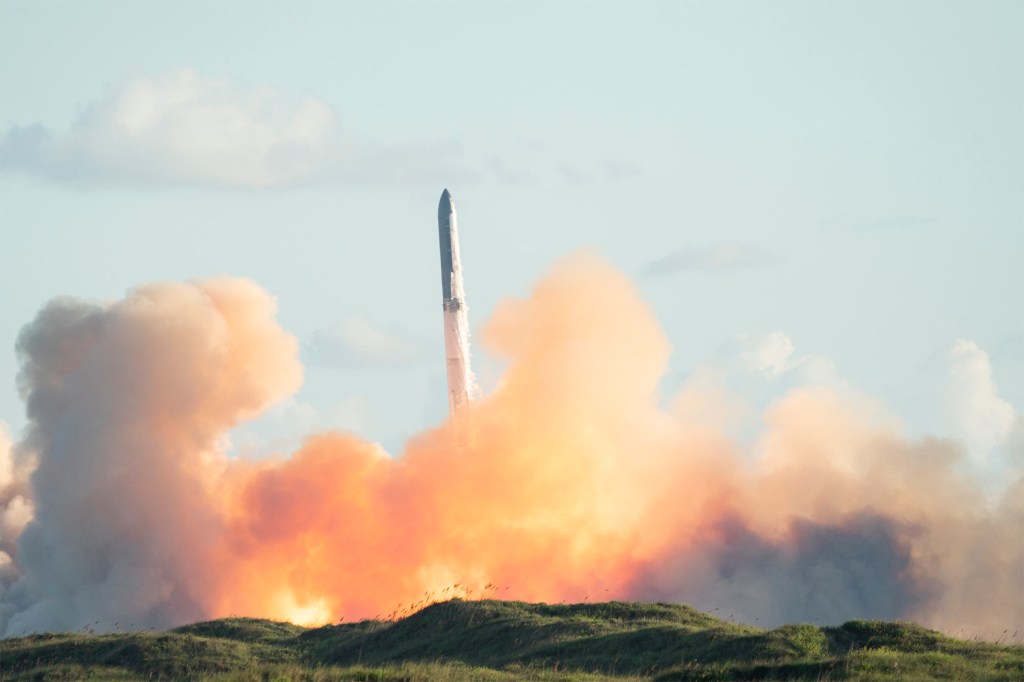
The demand is one part of the story. The other part is that Wall Street cannot agree on what the company is worth. Ark Invest’s chief futurist, Brett Winton, argued on CNBC this week that Starlink alone can support a valuation approaching $2 trillion. The satellite network currently carries roughly 500 terabits per second of bandwidth and generates about $13 billion a year in revenue, Winton said, and each Starship launch can add 60 terabits per second of capacity. “The AI opportunity is ginormous,” he said. Ark’s venture fund already holds private SpaceX shares as its largest position, about 11.4 percent of assets, and its model puts SpaceX enterprise value near $2.5 trillion by 2030.
The skeptics start from the same facts and reach different conclusions. Aswath Damodaran, the New York University professor known as the dean of valuation, has modeled SpaceX’s intrinsic value at about $1.3 trillion, below the IPO valuation. Morningstar analyst Nicolas Owens puts fair value at roughly $780 billion, less than half of what the offering implies. SpaceX generated $18.67 billion in revenue in 2025, up 33 percent, which prices the company at about 95 times sales. Both bearish models rely on the launch and connectivity businesses: Starlink revenue grew about 50 percent in 2025 to roughly $11.4 billion with operating profit above $4 billion, and SpaceX captured 83 percent of the global commercial launch market while cutting per-launch costs by more than 95 percent.
The disagreement centers on the AI business. SpaceX’s S-1 filing reframes the company as an AI infrastructure story, projecting that its AI-related market opportunity could reach $26 trillion of a total $28.5 trillion addressable market. The company integrated xAI, which owns the X social network and the Grok chatbot, as its AI division this year, and that division lost $4.3 billion in the first quarter of 2025, wiping out Starlink’s operating profit. Launch and connectivity still carry the company; the orbital data center and AI compute ambitions are promises against future revenue, and even the bullish scenarios depend on Starship demonstrating reliability at a scale it has not yet shown.
The scale of the raise is itself a signal. SpaceX is selling $75 billion of stock in part to fund AI investment that the filing says will keep the company unprofitable for the foreseeable future. Bulls read that as building the next layer of infrastructure; bears read it as raising cash before the story is proven. Morningstar’s simulations assign a high probability of failure to the orbital data center scenario, and the compute business, while real, carries cancellation clauses that allow customers to walk away with 90 days’ notice.
History argues for caution around debut prices. Facebook’s 2012 IPO priced at $38 a share, broke below the offer price within months, and traded 32 percent lower a year later. Uber, Rivian and other heavily anticipated listings followed similar arcs after their first-day pops, as early buyers took profits and the market re-priced the story. Large IPOs, analysts note, tend to be volatile in their first year no matter how strong the order book, and SpaceX’s valuation leaves far less margin for error than most.
At $135, the offer prices SpaceX at nearly 100 times last year’s sales, a multiple that assumes growth accelerates rather than cools. The valuation also marks a staggering run: at the end of 2024, SpaceX was worth $350 billion in private markets, and eighteen months later it is selling stock at five times that figure. Some of that gain rests on Starlink’s proven business, and some of it rests on an AI story that has yet to produce meaningful revenue. The market will begin sorting the two on June 12.
Nearly everyone agrees the company is a uniquely scarce asset and that Starlink is a real profit engine. The trillion-dollar question is how much credit to give an AI business that barely exists yet. The opening price on June 12 will settle the first question, whether the four-times oversubscribed order book converts into immediate gains. The longer question, about whether the AI division justifies the trillion-dollar numbers, will take years to answer.