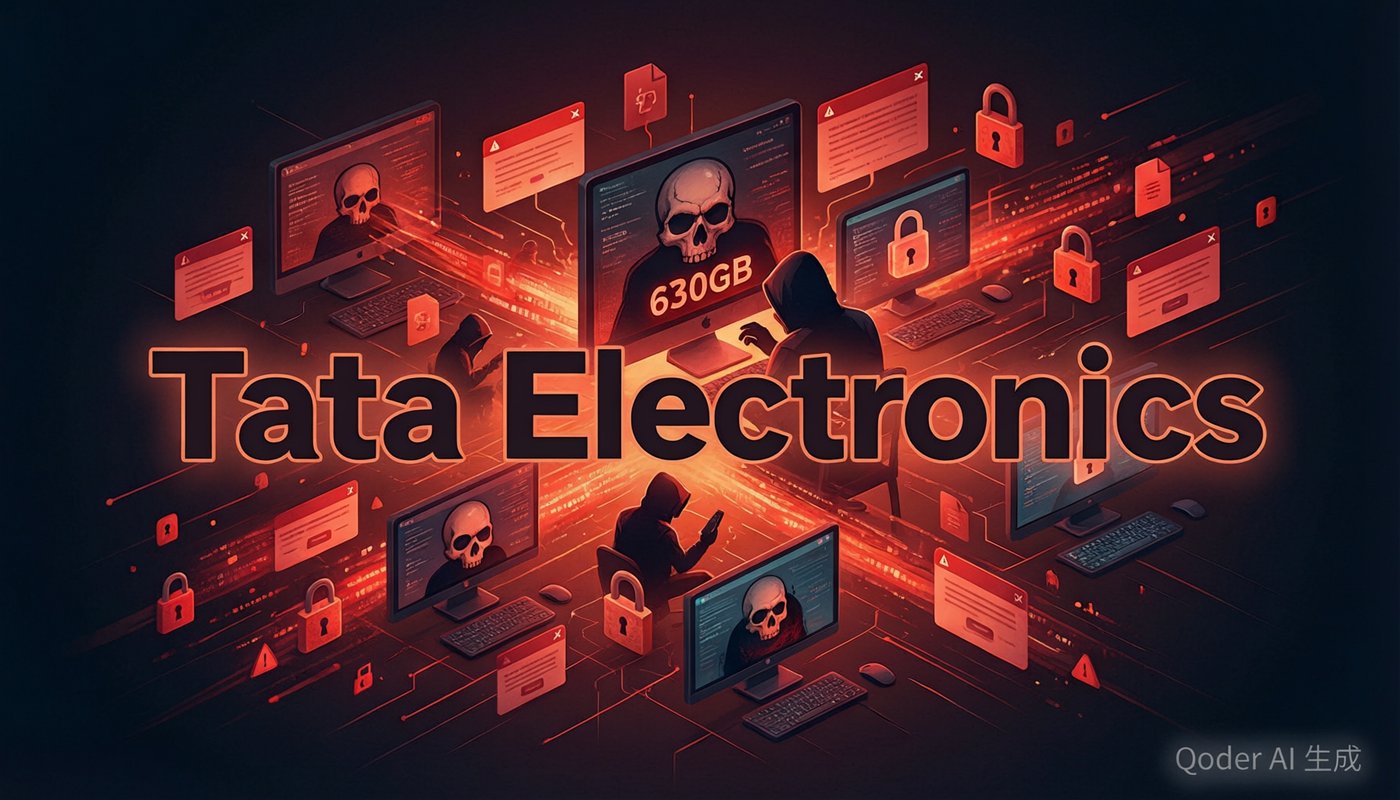
MUMBAI — The ransomware group WorldLeaks has published more than 200,000 files it says were stolen from Tata Electronics, including component designs, specifications and commercial secrets belonging to the Indian manufacturer’s customers Apple and Tesla, according to security researchers who reviewed the dump. The leaked data totals more than 630 gigabytes, and the incident has become one of the largest supply chain breaches to hit the technology industry in years.
Tata Electronics confirmed in a statement that it discovered a “cybersecurity incident” affecting some of its systems several weeks ago. The company said its response plans were activated immediately, that the incident has had no impact on its operations, and that none of its businesses have been affected. Apple is conducting a “comprehensive analysis” of the breach, according to a person familiar with the matter, and Tesla has not commented publicly.
The breach matters because of where Tata Electronics sits in the global supply chain. The company, part of the Tata Group conglomerate, has become a central player in India’s push to manufacture electronics, operating semiconductor assembly and testing facilities and producing components for Apple’s devices, including iPhone assembly operations. Its customers’ product plans, component designs and supplier specifications are among the most valuable secrets in the technology industry.
The WorldLeaks group, which has claimed responsibility for a series of corporate data thefts this year, posted the files on the dark web with a ransom demand, according to the researchers. The group has a history of publishing data in stages when ransoms are not paid, and security analysts said the full extent of the exposure may not be known until the publication campaign ends.
The scale of the dump distinguishes the incident. Most ransomware attacks exfiltrate data measured in gigabytes or tens of gigabytes; 630 gigabytes of component designs and specifications represents a deep penetration of the company’s engineering files, according to the researchers. The fact that the files include Apple and Tesla designs means the damage extends beyond Tata Electronics to customers who did not control the compromised systems.
The breach is a case study in the risks of modern supply chains. Apple and Tesla both run extensive security programs, with dedicated teams that protect their own networks and vet their suppliers, but the security of a supplier’s systems is only as strong as the weakest link in the chain. Tata Electronics’ confirmation that the incident began weeks before it was disclosed suggests the attackers had time to move laterally through the company’s systems and extract data before being detected.
The response timeline is already drawing scrutiny. Security researchers said the dump was published on the dark web before Tata Electronics made its public statement, a sequence that suggests the company was still containing the incident when the attackers went public with the data. The delay between discovery and disclosure is a common criticism of corporate breach responses, and regulators in several jurisdictions have tightened the rules requiring faster notification.
For Apple and Tesla, the breach raises practical and legal questions. Component designs are only part of the damage: specifications, testing procedures and supplier arrangements can inform counterfeiters and competitors, and the leaked data could undermine the companies’ control over their product pipelines. Both companies have initiated internal reviews, and both are said to be evaluating the extent to which the leaked materials overlap with their own confidential systems.
The Indian government has also taken notice. India has been courting global electronics manufacturers with incentives to build factories in the country, and the breach shows that the country’s supply chain ambitions come with security obligations. Regulators are reviewing whether Tata Electronics complied with disclosure requirements, and the incident is likely to sharpen the security standards attached to India’s manufacturing incentive programs.
The attackers’ methods are still being pieced together. Security researchers who examined the dump said the files appear to include engineering drawings, quality documentation and internal correspondence, and the volume suggests the attackers had access to Tata Electronics’ systems for weeks before the data was published. The group’s publication strategy, releasing data in batches to pressure victims, means the full exposure may not be clear for some time, and the company’s customers will have to assume that everything in the dump is now in the hands of whoever wants it. The breach shows, if proof was needed, that the security of a product depends on the security of every company that touches it, and that the weakest link in the chain is often the newest supplier.
The incident will test the norms that have governed disclosure in the industry. Apple has historically been among the most secretive companies in the world, and the theft of its component designs by a ransomware group is the kind of event its security team has spent years trying to prevent. The company’s “comprehensive analysis” will include an assessment of what was taken, whether the designs are still current and what competitors could do with them, and the conclusions will shape how Apple works with its Indian suppliers in the future. For India, the episode is a setback in its campaign to position itself as a trusted manufacturing hub, and the government’s response, both to the breach and to the questions about disclosure, will be read by every global company considering a move into the country.
For the industry, the episode is a warning about the concentration of manufacturing. The push to diversify supply chains has moved production into new regions, and each new supplier adds a surface for attack. Tata Electronics’ customers will now demand detailed assessments of the damage and new security commitments, and the incident will be studied by every company weighing whether to trust its most sensitive designs to a partner’s systems. The data is already out; the questions of how it was taken, and what happens next, are just beginning.