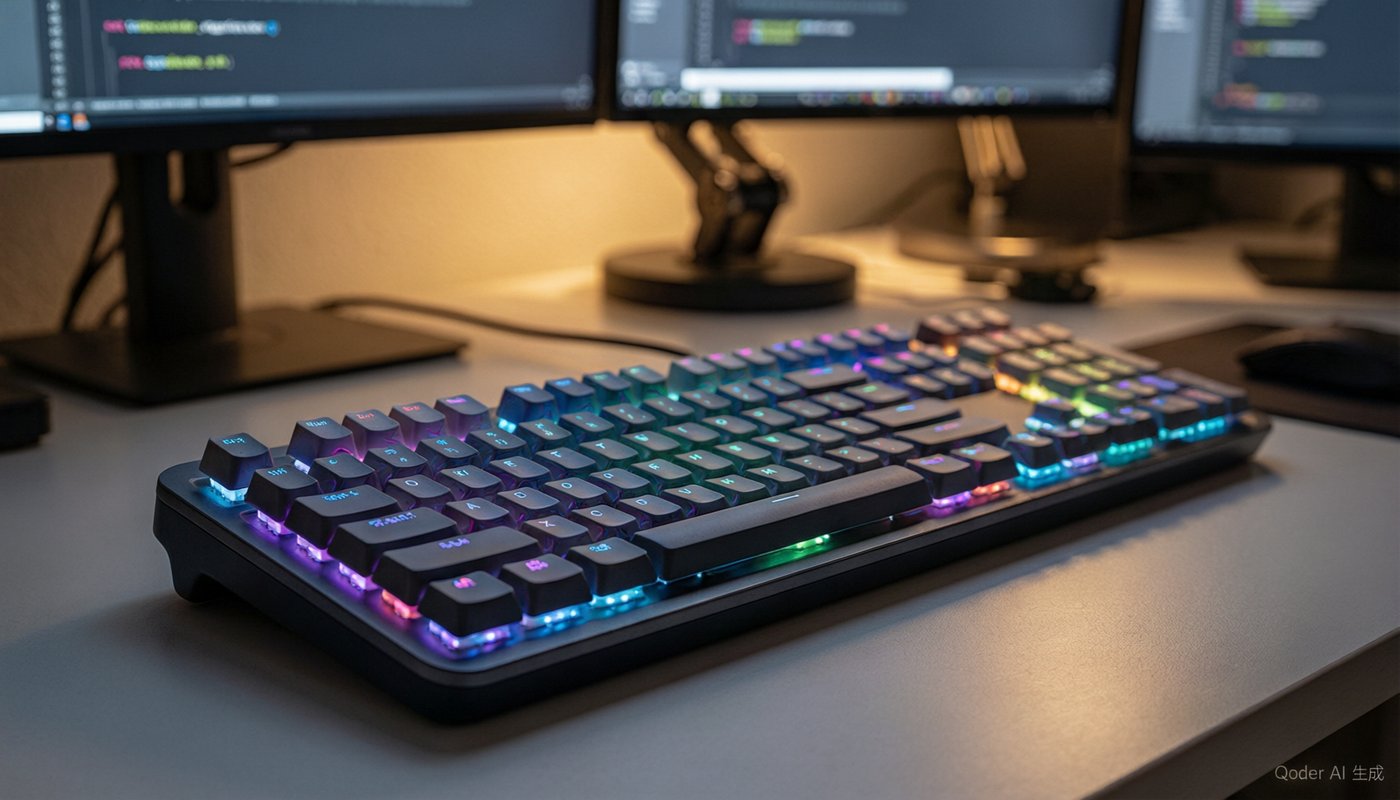
The video OpenAI posted on June 30 is short and, for a company whose every announcement is scrutinized for clues about the future of computing, oddly mundane. It shows a square device with several buttons, and a title that reads: “Your favorite Codex shortcuts are getting an upgrade.” OpenAI’s first piece of hardware is a programmable macro keyboard.
The device, made in partnership with Work Louder, a company known for custom keyboards and productivity peripherals, is aimed at developers who use Codex, OpenAI’s coding agent. OpenAI spokesman Dominik Kundel said the keyboard will noticeably improve how efficiently users work with Codex, allowing them to trigger common operations without reaching for a mouse or memorizing command sequences.
The announcement landed with a certain anticlimax, because expectations were set elsewhere. OpenAI has been working with Jony Ive, the designer of the iPhone, on a new AI device, a project that has generated months of speculation about a product that could redefine how people interact with computers. The macro pad is not that device, and OpenAI was careful not to present it as such.
But the choice is less random than it looks. OpenAI’s most commercially important product for developers is Codex, and the company has been pushing coding agents hard, arguing that they will change how software is written. A physical accessory that makes Codex more pleasant to use is a small, concrete way to deepen the habit among the developers who matter most to OpenAI’s revenue.
The macro pad also serves a marketing purpose. OpenAI has been competing with a growing list of coding tools, and a physical product gives the company something tangible to hand out at developer conferences and partner meetings. Software demos are forgettable; a keyboard with the company’s name on it sits on a desk and keeps the brand in front of developers every working day.
Hardware has become a competitive front in the AI industry. OpenAI’s rivals have moved in the same direction: Anthropic and Google have explored their own devices, and the broader market for AI hardware, from glasses to pendant-shaped assistants, has attracted billions in investment. Most of those products are trying to invent new categories; the macro pad, by contrast, is a tool for an existing workflow.
The partnership with Work Louder is also revealing. Rather than building its own factory or hiring its own industrial designers, OpenAI outsourced the making of its first device to a company with experience in exactly this kind of product. The approach keeps costs low and lets OpenAI test the hardware waters without the inventory risk that comes with a mass-market launch.
Work Louder has built a following among the same audience, selling keyboards and accessories that appeal to programmers who treat their setups as tools of the trade. The partnership therefore gives OpenAI credibility with the exact users Codex depends on, a group that is famously skeptical of corporate gadgets. A keyboard made by a brand they already trust, rather than a tech giant’s novelty item, is more likely to earn a place on their desks.
The device itself is aimed at a specific type of user. Programmers who live in terminals and editors have long customized their keyboards, and the macro pad fits a culture that already prizes keystroke efficiency. For that audience, a device that puts Codex commands on physical buttons is genuinely useful rather than gimmicky, which may be why OpenAI chose it as its first outing.
The timing suggests OpenAI is thinking about its developer ecosystem as a whole. The company has been expanding Codex’s capabilities, and the keyboard arrives alongside a push to make Codex more central to how teams work. Hardware, even a modest accessory, gives the company a way to reach developers outside its own interface and to build loyalty that software alone cannot guarantee.
The company has given no price or shipping date for the device beyond the announcement, and Work Louder will handle distribution through its existing channels. For a company used to launching products to millions of users at once, the quiet, niche rollout is itself a signal: OpenAI appears to be treating this as a prototype in the literal sense, a way to learn how its customers interact with hardware before committing to anything bigger.
The bigger question is what comes next. OpenAI and Jony Ive’s company have not said when their device will appear, and the macro pad does nothing to answer that. But the release of a practical, low-risk hardware product may be a deliberate step in learning how to make and sell physical goods before attempting something more ambitious.
For now, the macro pad is a footnote in OpenAI’s product line, a keyboard with buttons that a specific set of developers will love and everyone else will ignore. The company that is trying to build the future of artificial intelligence has started its hardware journey with a tool that makes typing a few commands faster. It is not the device anyone speculated about, but it may be the honest first step.