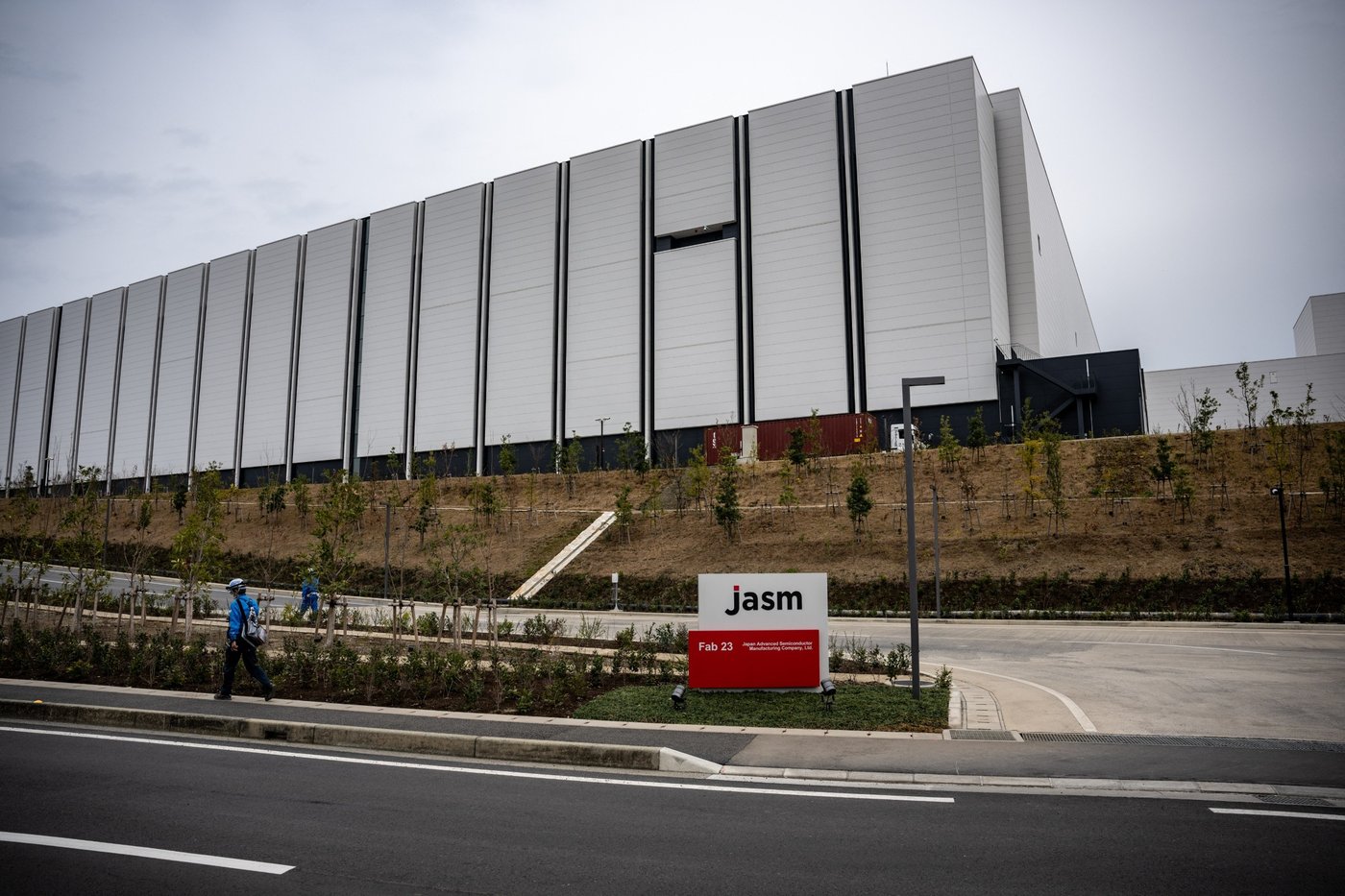
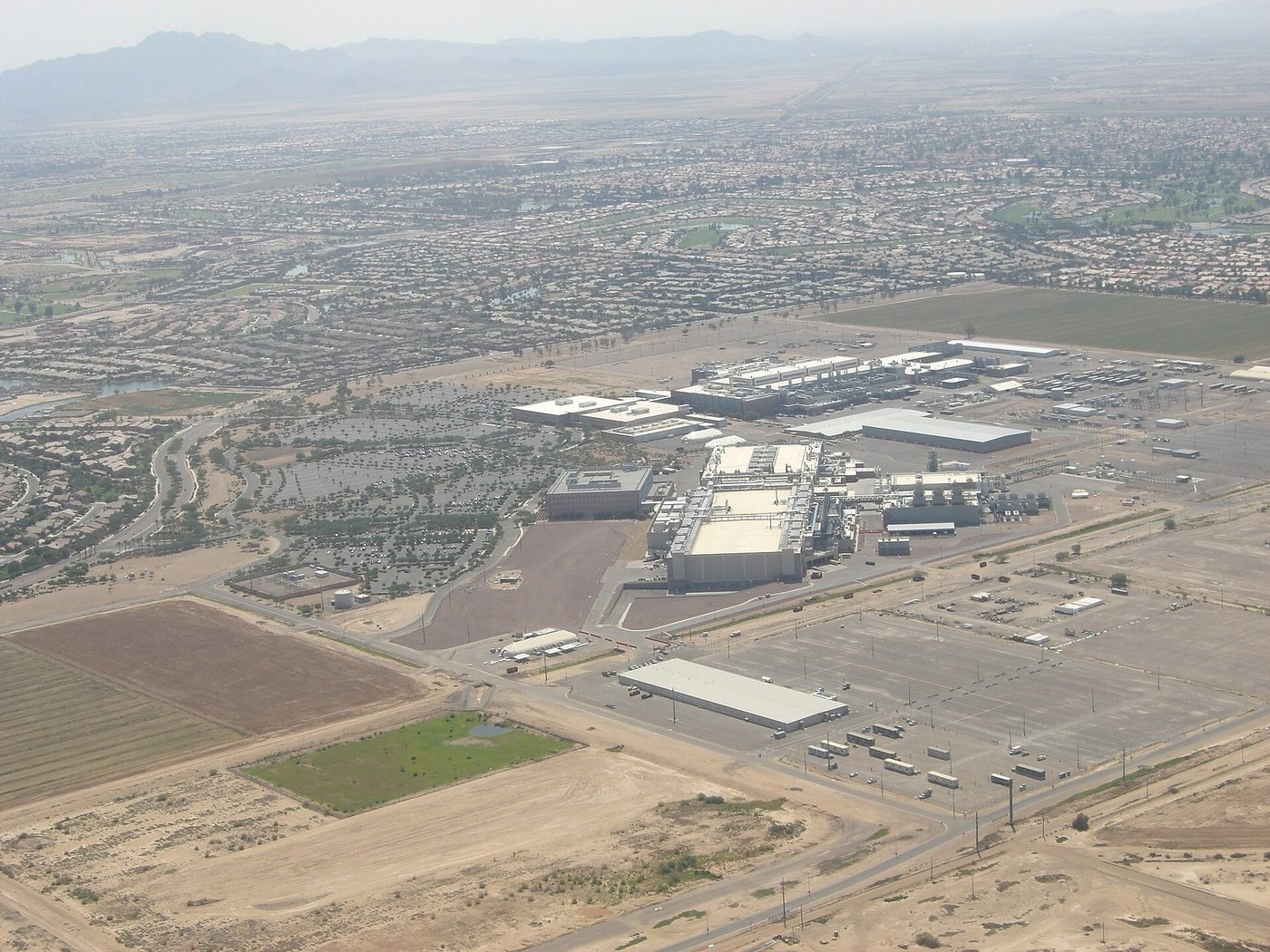
Intel is leaning on its personal-computer partners to shift more of their orders to processors built on its newest manufacturing process, according to a report on Tuesday, an effort to convert its foundry comeback into actual market share. The company has been urging major PC makers to increase the share of CPUs they buy that are made on its 18A process, which began volume production late last year.
The message to customers is blunt. Intel has told PC makers that older chips made on its Intel 7 process, including the 12th- through 14th-generation Core processors that still populate a large share of the laptop and desktop market, will not receive extra supply allocations, and that chips built for it by an outside foundry, including those made on TSMC’s N3B process, will not get expedited shipping either, according to people familiar with the discussions.
The push reflects the stakes of Intel’s turnaround. The company, which once manufactured the majority of the world’s PC processors in its own factories, spent the better part of a decade losing share to AMD and outsourcing an increasing portion of its own chips to TSMC. The 18A process, built around new transistor technology that Intel calls RibbonFET and a power-delivery system called PowerVia, is the company’s bid to reclaim its manufacturing lead, and the client chips built on it are the first products that test whether the technology works at scale.
For PC makers, the timing is awkward. The industry is in the middle of a replacement cycle, with corporate customers refreshing machines that were bought during the pandemic, and the AI-enabled PC category has given manufacturers a new thing to sell. Being told that the most in-demand older chips will be harder to get, and that the chips they have been ordering from TSMC’s lines will be deprioritized, forces buyers to commit to Intel’s new process sooner than some planned.
The strategy is a calculated risk. Pushing customers toward a new process can backfire if yields are imperfect or if the early chips cannot match the performance of the incumbent products. Intel’s executives have said 18A yields are healthy and that the first 18A client chip, code-named Panther Lake, is on track for volume shipments this year. The supply squeeze on older products is designed to make that transition happen faster than it would on its own.
The message also signals how Intel plans to treat its own foundry business. The company has said it wants to be a manufacturer for other companies, including rivals, and it has been courting outside customers for its advanced processes. But its first obligation, the supply allocations suggest, is to its own products, and Intel is willing to bend its customer relationships to keep its factories busy and its new process profitable.
The PC market’s recovery supports the move. Shipments have grown for several consecutive quarters, and the demand for processors with built-in AI capabilities has given both Intel and AMD room to raise prices. AMD, which designs its chips and outsources manufacturing to TSMC, remains Intel’s chief rival in PCs, and the two companies’ competition is now a proxy for the larger fight between Intel’s foundry ambitions and TSMC’s dominance.
Analysts said the supply policy is a familiar playbook. “Intel has done this before, tightening supply on older products to drive transition to new ones,” one analyst said. “It works when the new product is genuinely better. The question is whether Panther Lake and the 18A parts that follow justify the push.” The analyst noted that corporate buyers, the most important customers for volume chips, tend to qualify new platforms slowly, and that Intel’s pressure could strain relationships if the new parts disappoint.
The supply policy also affects the perception of Intel’s foundry business abroad. Taiwan’s TSMC has manufactured an increasing share of the world’s most advanced chips, and Intel’s attempt to reclaim leadership is being watched closely by governments in the United States and Europe, both of which have subsidized the company’s factory expansion. Every 18A chip sold to a PC maker is a demonstration that the process works and that Intel’s factories can compete. The company’s executives have said they expect 18A to be the process that turns its foundry business profitable, and the push to move its own customers onto the new process is the first, and easiest, source of volume.
For the PC supply chain, the shift has practical consequences. Motherboard makers, laptop designers, and component suppliers must qualify their products against the new chips, a process that takes months and carries costs. Intel’s decision to steer customers toward 18A compresses that timeline for everyone, and the companies that move fastest are likely to be rewarded with the supply that Intel is now directing toward the new parts. The winners of Intel’s transition, in other words, will be chosen not by their loyalty to the old product line, but by their willingness to bet on the new one.
The bet, in the end, is about the company’s identity. Intel’s future as a manufacturer depends on 18A succeeding, and its future as a chip designer depends on customers buying what 18A produces. By forcing the issue with its own partners, Intel is choosing to make the transition now, in public, rather than waiting for the market to decide on its own. The PC makers, for their part, are being told that the era of easy Intel supply is over, and that the future runs through a process that is still proving itself.