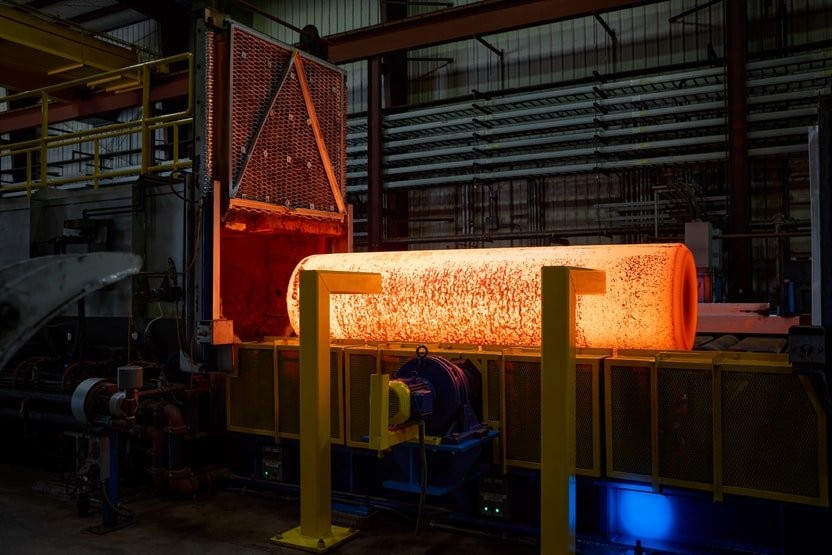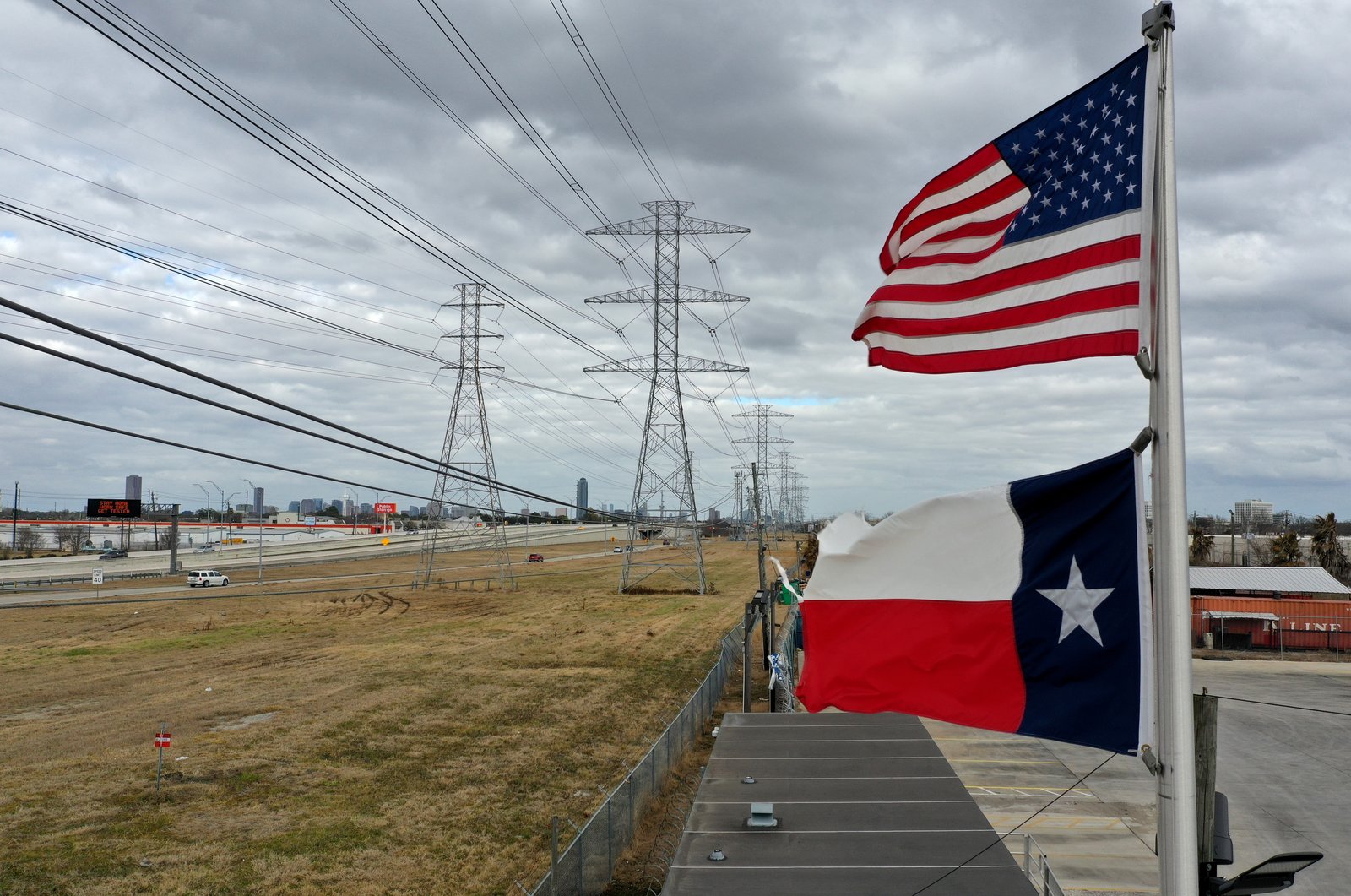
A few weeks ago, Microsoft Corp. ordered seven large gas turbines from GE Vernova to power data centers in Texas. Each unit carries a price tag above $250 million, and the order says more about the state of the market than any single contract could.
Demand for the machines, which burn natural gas to generate electricity at industrial scale, now far exceeds supply. Melius Research, a U.S. investment research firm, estimates that gas-turbine prices have climbed about 300 percent over the past three years, a stretch in which hyperscale cloud providers raced to secure power for artificial-intelligence workloads. The shortages began with the pandemic-era supply crunch and have been compounded by a wave of data-center construction that shows no sign of slowing.
The sellers are the ones smiling. GE Vernova, the main supplier to the hyperscale crowd, has seen its shares rise more than 70 percent over the past six months. Its rivals are growing fast too: Caterpillar and Siemens have both reported strong demand for power-generation equipment, and order backlogs stretch years into the future. For an industry that spent a decade watching demand drift, the AI boom has changed the arithmetic.
The reason is simple arithmetic on the demand side. A single large AI data center can draw as much power as a mid-size city, and the largest cloud operators are building dozens of them. Renewables remain central to their climate targets, but wind and solar cannot be switched on at will. Gas turbines fill the gap, running when the wind does not blow and the sun does not shine, and their ability to ramp quickly makes them a natural partner for intermittent generation.
The economics have shifted accordingly. When Microsoft signed its latest turbine order, the price reflected three years of tight supply, rising steel and component costs, and a supplier base that cannot expand capacity overnight. GE Vernova has said it is adding output, but new turbine capacity takes years to bring online, and the queue of orders is long. Buyers are not just paying more; they are waiting longer.
The surge has not gone unnoticed in Washington and on Wall Street. Power planners are revising their forecasts for electricity demand upward for the first time in a generation, and utilities are scrambling to line up supply. The White House has made energy a pillar of its AI policy, and grid interconnection queues have become a talking point in every data-center earnings call.
Yet several experts caution that gas turbines alone will not carry the AI era. The technology answers the peak-load problem, but it does not solve the underlying issue of building a more stable and efficient energy system. Data centers run around the clock, and a growing share of their power will need to come from a mix of sources: nuclear, geothermal, battery storage and improved grid interconnections, alongside natural gas. The turbines are the bridge, not the destination.
For the hyperscalers, the practical question is cost and reliability. Every dollar spent on power is a dollar not spent on chips, and the power bill for a large AI build-out now runs into the billions. That has pushed companies to sign long-term supply agreements, buy into generation projects and, in Microsoft’s case, order turbines by the unit. The strategy is to lock in capacity before competitors do.
The investment case has followed. Analysts who cover power equipment say the turbine boom has a durability that earlier industrial rallies lacked, because the underlying demand is contractual and multi-year. The risks are on the other side: a slowdown in AI spending, a faster-than-expected build-out of nuclear or other firm power, or a recession that trims data-center budgets. Any of those would cool the market quickly, given how far prices have run.
The ripple effects extend beyond the equipment makers. Utilities that supply data-center regions have been raising capital budgets to connect new load, and grid operators are studying how fast gas plants can be dispatched to cover the gaps left by intermittent renewables. The price surge has also drawn new entrants into the turbine supply chain, from component makers to maintenance firms, as customers look for ways around the long queues at the big manufacturers.
For buyers, the calculus has changed in a subtle way. Power purchase agreements that once locked in stable prices now carry escalation clauses, and project financiers are underwriting data-center campuses on the assumption that energy costs will keep rising. That assumption, if it holds, will ripple through the economics of AI for years, because electricity is one of the largest operating costs in the industry. Companies that secured power early are sitting on an advantage; those still shopping are paying the new prices.
For now, the direction is one way. The turbines ordered this year will be generating power well into the 2030s, and the companies that build them have pricing power they have not enjoyed in decades. The AI boom has done for the gas-turbine business what it did for chip makers: turned a commodity product into a scarce one, with the invoices to prove it.