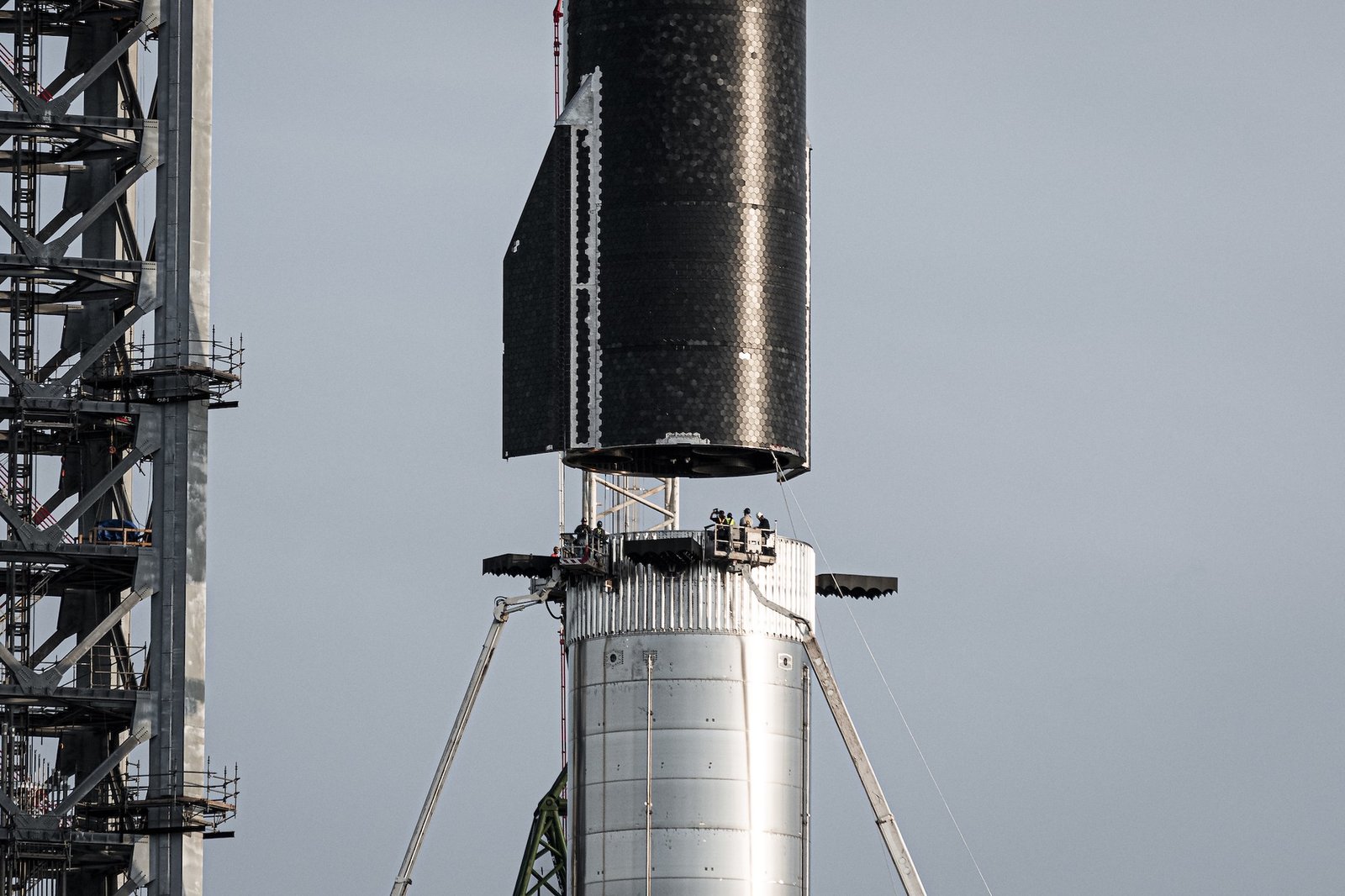
The Federal Aviation Administration has completed its investigation into the booster failure during SpaceX’s Flight 12 and approved the company to launch Flight 13, according to TechCrunch. The next test flight could come as early as this week, marking a faster return to flight than many industry observers expected after the anomaly.
The investigation centered on the Super Heavy booster, which malfunctioned during the previous mission. SpaceX has a history of moving quickly through such reviews, treating each failure as a data point in an iterative development program, and the FAA’s decision suggests the company provided a satisfactory explanation of the root cause and the fixes. The pace of the approval is itself a signal of how the regulator views the program’s safety record.
Flight 13 will be watched closely for more than technical reasons. SpaceX’s valuation is now public, after the company’s record initial public offering in June, and every launch is a test of the market’s judgment as well as the hardware. The stock, which soared in its first days of trading, has fallen about 35 percent from its intraday high, according to Seeking Alpha data, as the post-IPO honeymoon gave way to a more sober assessment of the company’s finances.
The decline is not a verdict on Starship. The rocket program is central to SpaceX’s long-term contracts, including NASA missions and the company’s own satellite business, but it remains in the test phase, and test phases consume cash. Investors who bought the IPO at the peak were betting on the story; those selling now are asking when the story produces earnings. The gap between those two views is the 35 percent.
The fundamentals cut both ways. SpaceX has a profitable launch business, a satellite network with millions of subscribers and a backlog of government and commercial contracts that extends for years. It also has ambitions that require enormous capital: Starship development, the build-out of its satellite constellation and the infrastructure for missions beyond Earth orbit. The market is trying to price a company that is both the largest player in a mature business and a startup financing its next generation of products.
The FAA’s approval removes one source of uncertainty. Each month Starship stays grounded costs the program momentum and raises questions about the schedule for its commercial missions. Getting back to flight quickly lets SpaceX resume the cadence it needs to retire risk in the design, and it gives the stock a narrative that is not entirely about earnings. Analysts said the launch, if it succeeds, would provide a short-term lift, but that the stock’s direction will be set by the company’s financial reports, not by a single flight.
The trajectory of the stock also reflects a shift in how SpaceX is traded. During the private years, its shares changed hands in secondary markets at valuations set by a small group of funds, and the price was as much a statement of belief as a measure of value. The public market is less forgiving. It demands quarterly numbers, watches cash burn and marks the stock down when the numbers disappoint. The 35 percent decline is, in part, the adjustment to that new discipline, and analysts said it could continue until the company’s earnings profile catches up with the story.
The company’s response has been to lean into the parts of the business that resemble a utility. Launch services, satellite broadband and government contracts generate recurring revenue with long backlogs, and SpaceX has been emphasizing those in its investor communications. The shift is visible in the financial disclosures that accompany the public listing, which give investors their first real look at the economics of a company that spent two decades revealing as little as it could.
There is also the question of how the IPO has changed the company. SpaceX operated for decades as a private company that could absorb losses in pursuit of long-term goals. Public shareholders have a different tolerance for that model, and the stock’s slide is the market’s way of saying the tolerance has limits. The company has responded with more disclosure and a sharper focus on the businesses that generate revenue, a shift that predates the IPO but has accelerated since.
The next few weeks will test both programs at once. A successful Flight 13 would demonstrate that the booster fix works and that the launch cadence can resume. At the same time, the company’s quarterly results will show whether the core businesses are growing fast enough to justify the valuation that the stock’s recent high implied. The two reports will be read together, and each will inform the other.
For the market, the arithmetic is straightforward. SpaceX’s revenue is growing, its order book is full and its technology is years ahead of competitors. The question is whether that combination is worth what the IPO priced it at, or the 35 percent less that buyers are now willing to pay. The answer will come from the launch pad and from the income statement, and both are scheduled to speak soon.