In an interview with TechCrunch, Uber’s product chief laid out a two-front expansion that would carry the company beyond ride-hailing: lobbying Washington for federal autonomous-vehicle rules that would let Uber compete with Waymo on even terms, and folding hotels deeper into its app. The two efforts, taken together, describe a company repositioning itself as travel infrastructure rather than a taxi service with an app.
Uber’s history with autonomous vehicles is complicated. The company once ran its own self-driving program, spent heavily on it, and sold the unit after a fatal 2018 crash involving one of its test vehicles, a decision that effectively ceded the field to Waymo. Rebuilding a position through regulation rather than hardware is the company’s second attempt at the same prize, with a different method, and the lobbying push reflects a lesson learned: the rules will shape who wins.
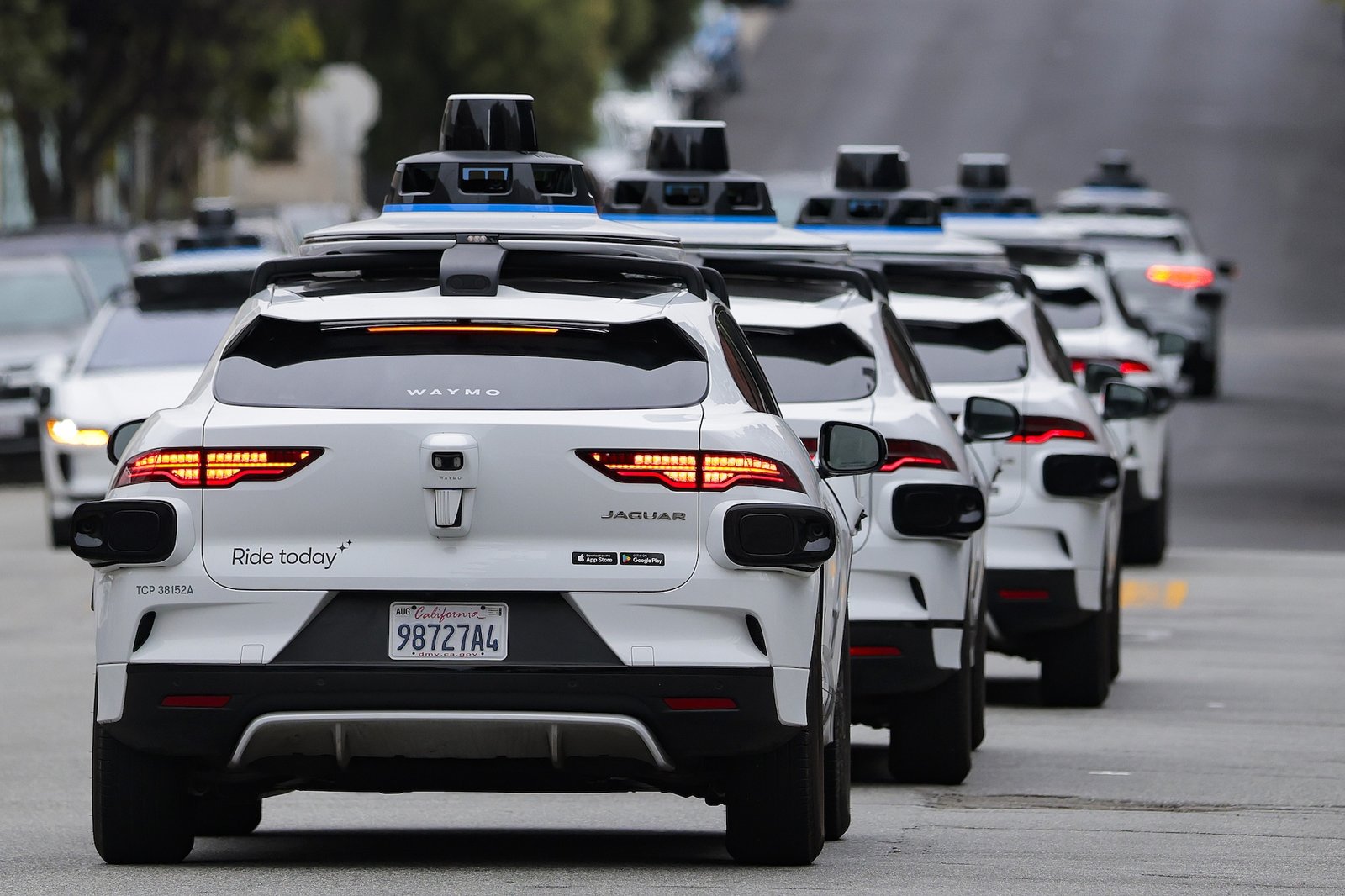
The robotaxi push is the strategic priority. Uber owns no cars and employs no drivers, a model that has made it profitable but has left it dependent on the people behind the wheel. Autonomous vehicles would remove the largest cost in its business, and the company has made clear it wants to be the platform that connects riders to robotaxis rather than the automaker that builds them. The problem is that Waymo, the Alphabet subsidiary, has a multi-year head start in operating robotaxis on public streets.
The lobbying is aimed at the gap. Autonomous-vehicle rules in the United States are a patchwork, with states setting their own standards and the federal government largely on the sidelines. Uber is pressing for a federal framework that would let self-driving vehicles operate across state lines under one set of rules, a change that would help every company in the industry but would most help a latecomer like Uber that has not yet built a national operation.
The robotaxi push will also test Uber’s relationship with its drivers. The company has repeatedly said autonomous vehicles will complement drivers rather than replace them, but the logic of the technology points the other way, and driver groups have begun organizing around the threat. How Uber manages that tension, in public statements and in the details of its lobbying, will shape both its regulatory standing and its brand with riders.
The hotel push is the quieter half of the strategy. Uber has been adding travel services for years, from food delivery to package shipping, and hotels are the natural next layer. The product chief described a vision where the same app that gets a rider to an airport books the room, checks them in, and arranges the ride to the meeting, a chain of transactions that turns a trip into a single platform relationship.
The hotel push is also a test of the company’s data advantage. Uber knows where its users travel, when they travel, and what they are willing to pay, information that hotel platforms lack, and the company has begun using that data to shape its travel offers. Booking, Expedia, and Airbnb have responded by adding ground-transport options to their own apps, a sign that the lines between travel categories are blurring in both directions.
The economics of hotels are attractive in a way that rides are not. Hotels generate recurring, high-margin revenue, and booking them through an app builds the kind of habitual usage that ride-hailing has never quite achieved. Competition is fierce, with Booking, Expedia, and Airbnb all established, but Uber’s distribution advantage is real: it already knows where millions of users are going and when.
The two-front strategy shares a logic. Both efforts extend Uber’s platform from the point of transport to the full travel experience, and both generate data that makes the next booking easier. The company has stopped describing itself as a ride company in earnings calls, and the product chief’s interview is the most detailed public statement yet of what it wants to become instead.
The risks are different for each front. The robotaxi bet depends on regulation and technology moving in the company’s favor, and Waymo’s lead means Uber could end up operating a marketplace for a competitor’s cars, with thinner margins than its own fleet would provide. The hotel bet depends on beating entrenched players at a game they have played for two decades, with a brand that consumers still associate with cars, not rooms.
For investors, the strategy answers a question that has hung over the stock: what happens to Uber when autonomous vehicles make human drivers obsolete? The company’s answer is that it becomes the operating system for the trip, connecting riders, cars, hotels, and payments, and taking a cut at each step. Whether that answer is worth more than the current business is the bet the stock represents.
The immediate tests are concrete. The federal AV bill will move through Congress at its own pace, and Uber’s hotel bookings will show up in quarterly numbers long before robotaxis are common. The company’s product chief said the two efforts are connected, with hotels funding the network effect that robotaxis will eventually amplify. The market will judge the strategy by the numbers, starting with the next earnings report, and the trajectory will be visible in hotel bookings and ride volumes long before the first fully autonomous Uber is hailed.