In late June, an executive at a satellite operator called SpaceX’s launch sales team about a dedicated Falcon 9 mission in 2029. The answer came back quickly: no new bookings. SpaceX was no longer taking orders for Falcon 9 launches beyond 2028, he was told, and the news spread through the operator’s planning office within days, according to people familiar with the matter.
SpaceX has quietly begun turning away customers for future Falcon 9 missions as Elon Musk redirects the company’s resources toward Starship, the unproven rocket he has made the centerpiece of his space ambitions. The shift extends beyond sales. SpaceX has stopped producing certain non-reusable parts for the Falcon family, a step that points toward a planned wind-down of the workhorse rocket, the people said. They asked not to be identified because the information is not public.
The change is also visible in the rideshare business, the program that lets dozens of small-satellite operators split the cost of a single launch. SpaceX no longer accepts long-range reservations for Falcon 9 rideshare missions, which for years were the cheapest ticket to orbit in the industry. The door is closing there too.
Inside the company, the reasoning is straightforward. Musk has argued in internal meetings that every dollar spent on Falcon is a dollar not spent on Starship, according to a person who has attended those sessions. Starship, he has said, is the vehicle that will carry the company for the next two decades, to orbit, to the moon, and eventually to Mars.
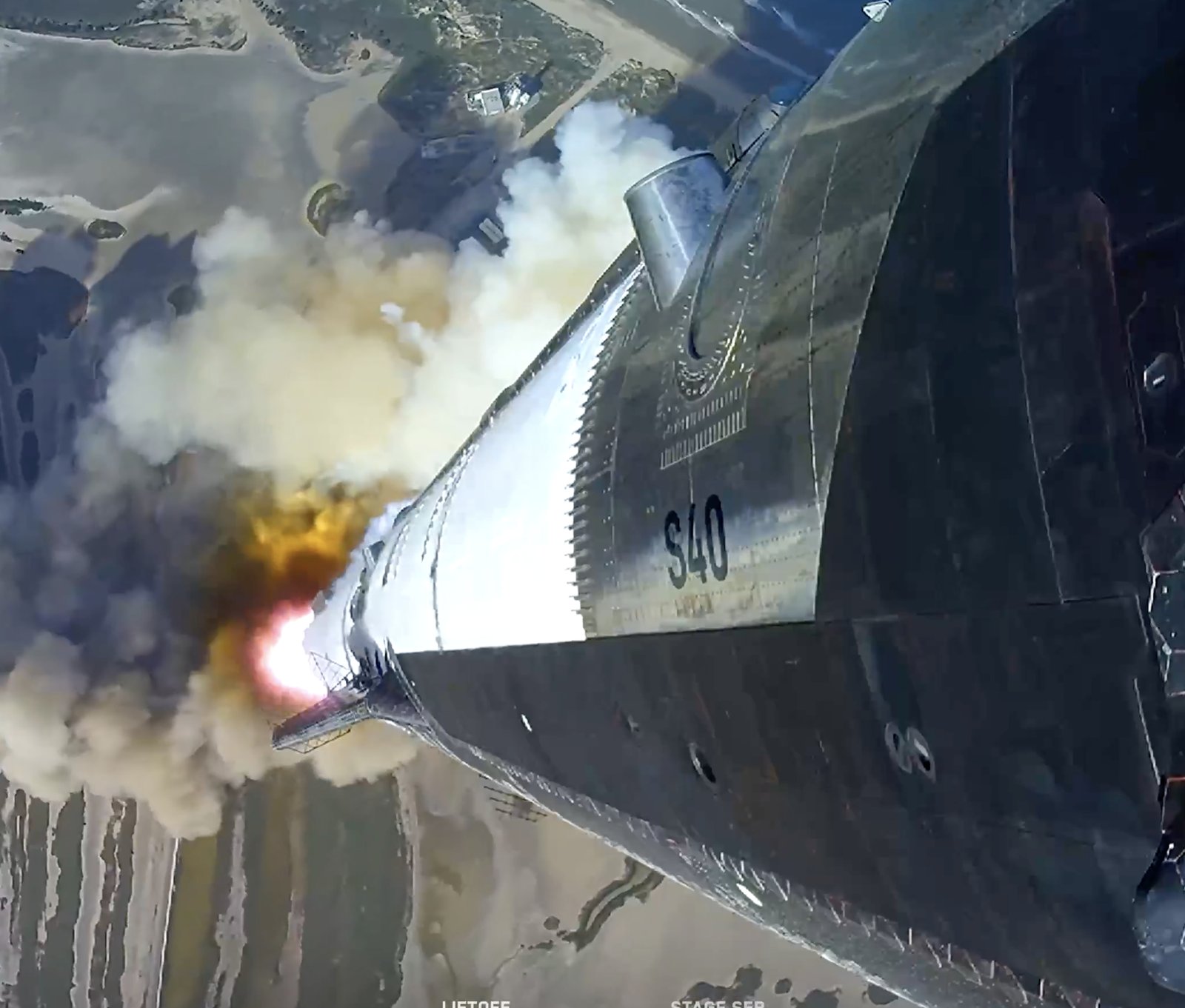
The bet is a large one. Starship has flown twelve test flights, and each has pushed the program forward, but the vehicle has not yet carried a paying customer’s satellite or flown a commercial mission. Falcon 9, by contrast, is the most-flown orbital rocket in history and has carried the bulk of the world’s commercial payloads since 2017. It is the platform on which SpaceX’s launch business, its Starlink constellation, and much of its revenue were built.
Musk has a record of retiring his own rockets. Falcon 1 gave way to Falcon 9, and Falcon 9 absorbed the heavy-lift role as Falcon Heavy faded from the manifest. Executives who have left the company say the pattern is deliberate: SpaceX would rather build the next rocket than polish the current one.
For satellite operators, the timing is awkward. The launch market is dominated by SpaceX, and the alternatives, United Launch Alliance’s Vulcan, Blue Origin’s New Glenn, Arianespace’s Ariane 6, and Rocket Lab’s Neutron, are still ramping up. An operator that needs a slot in 2029 or 2030 has little room to bargain if SpaceX declines to bid.
Some operators are already adjusting. Several small-satellite constellations have quietly accelerated their build schedules to secure Falcon 9 capacity before the cutoff, according to people in the industry. Others are holding out, betting that Starship will open up a flood of capacity by 2029 and that prices will fall when it does.
The wager works both ways. If Starship slips, SpaceX will have turned away revenue it could have booked with its existing rocket, and its customers will have nowhere to turn. If Starship delivers, the company will have retired its old flagship at the right moment, before the new one made it obsolete.
Analysts who follow the launch industry see the logic, even as they note the risk. “Falcon 9 is the most reliable rocket ever built, and they are choosing to wind it down on a schedule that depends on Starship being ready,” one analyst said. “That is a bet on execution, not on the market.”
The parts decision is the clearest signal yet. By stopping production of non-reusable Falcon components, SpaceX is letting its inventory run down, a person close to the supply chain said. That is a deliberate choice: once the parts are gone, the rocket cannot be built in quantity again without a costly restart.
Musk’s broader business is at stake. SpaceX now runs rockets, a satellite constellation, and an artificial-intelligence operation, and Starlink’s next-generation satellites are designed to launch on Starship. The company’s own demand, more than any single outside customer, will fill the new rocket’s early manifest.
The transition also has implications for launch pricing. Falcon 9 rideshare missions set the price floor for small satellites, and the closure of that program removes the cheapest option in the market. New entrants have yet to match Falcon 9’s cost per kilogram, and operators say early Starship pricing, while promised to be low, has not been committed in writing.
Regulators are watching too. The Federal Aviation Administration has licensed each Starship test flight individually, and the pace of reviews has been a recurring source of friction between the company and the agency. A faster cadence of flights, and of licenses, is a prerequisite for the Falcon transition.
The runway is short by aerospace standards. Starship’s thirteenth test flight was scheduled for Friday after weather delays, and the company has said it intends to move quickly through the remaining test objectives. Each flight brings the vehicle closer to the point where it can carry payloads, and to the moment when the Falcon decision stops being a strategy and becomes an irreversible fact.
For now, the shift is happening quietly, order by order. Satellite operators shopping for the late 2020s are learning, one phone call at a time, that the rocket they have relied on for a decade may not be there for them. The question nobody can yet answer is whether the rocket meant to replace it will be.