The valuation has grown nearly fourfold in four years, and the pitch to investors has not fundamentally changed: dig tunnels, move cars underground, and build a transit network one city at a time. The Boring Company, Elon Musk’s tunneling venture, is in talks to raise about $4 billion in a private stock offering at a valuation of roughly $20 billion, according to a report from The Wall Street Journal on July 24.
The deal has not closed, and its terms could still change, the Journal said, citing people familiar with the talks. If completed at the reported valuation, it would be a dramatic step up from the $5.7 billion mark the company carried in 2022, when it raised $675 million from investors including Sequoia Capital, Vy Capital and Founders Fund.
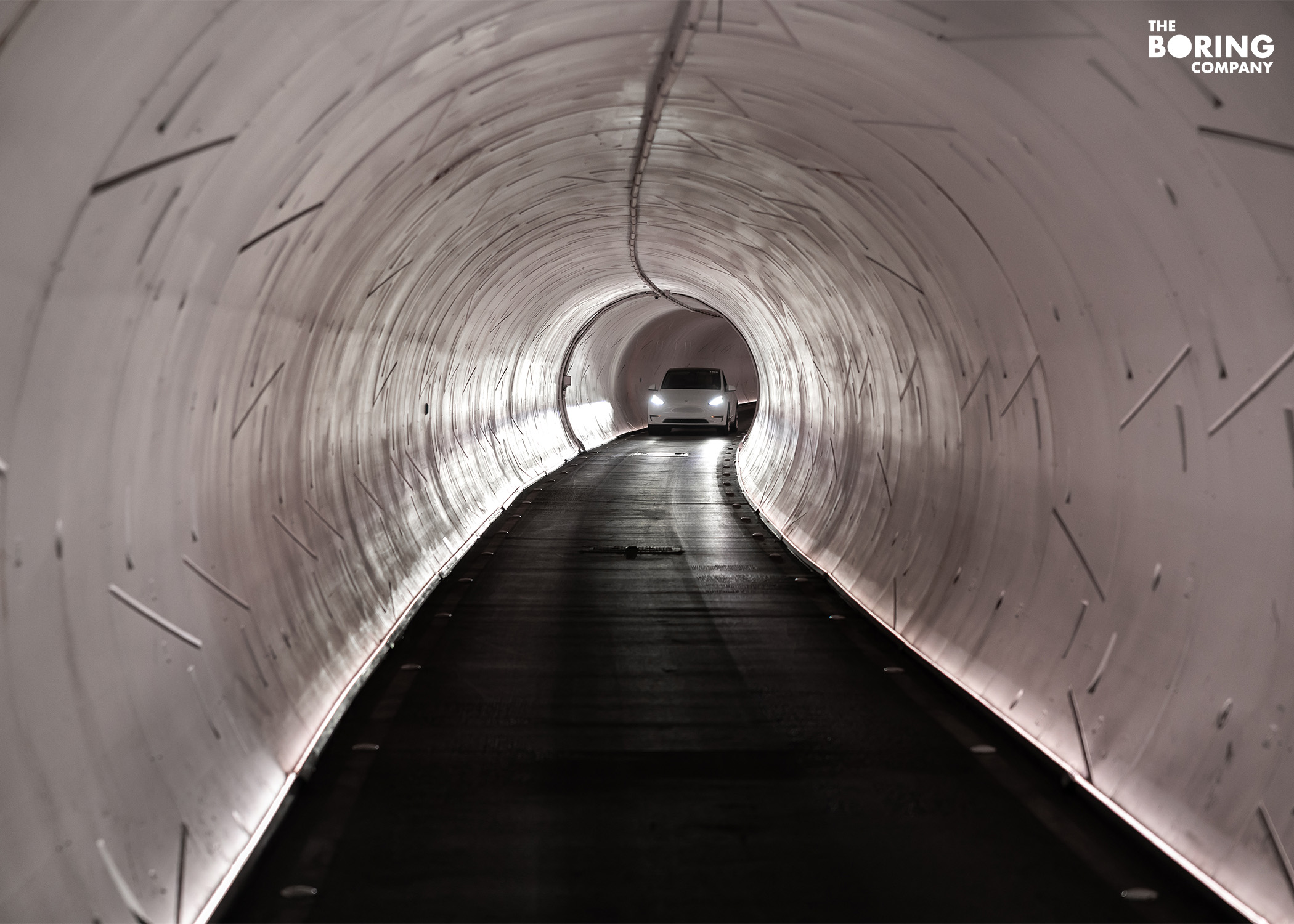
The company’s case rests on its one fully operating project: the Las Vegas Loop. The system, which began carrying passengers in 2021, has moved more than 4 million riders through tunnels and surface routes connecting stations around the Las Vegas Convention Center and the Strip. Expansion to the nearby Harry Reid International Airport is in the works, a connection the company says could lift annual ridership from around 1 million to between 5 million and 10 million.
Outside Las Vegas, the pipeline is growing. The Boring Company has signed agreements to build the Music City Loop in Nashville, designed to connect downtown with the airport in about nine minutes, and the Dubai Loop, an underground network with the emirate’s transport authority that is planned to start with 6.4 kilometers of tunnel and four stations. Projects in Baltimore, Chicago and Los Angeles have also been discussed, according to the Journal.
The reported raise comes at a complicated moment for Musk’s business empire. Since acquiring Twitter, now X, Musk has faced persistent questions about the cash demands of his various companies, and his attention has been pulled across Tesla, SpaceX, xAI and the social platform. Investors have shown willingness to back his ventures regardless — SpaceX went public in June in the largest IPO in history — and the Boring Company round would test whether that appetite extends to tunneling.
The company’s finances are not public, but its operating record offers a mixed picture. The Las Vegas Loop has demonstrated that the basic concept works: Teslas ferrying passengers through tunnels, cheaply and quickly. It has also shown the limits: the system carries a small fraction of the passengers a conventional transit line would, and riders have complained about wait times and the service’s scale.
Regulators have added friction. Nevada officials sent the company a cease-and-desist letter last year alleging violations of an earlier settlement and hundreds of missed inspections, which the company disputed. Tunnel workers have suffered serious injuries at its sites, raising questions about the safety culture of a company known for moving fast.
The valuation debate is really a debate about the concept’s ceiling. Skeptics note that the Vegas Loop, for all its success, moves traffic in a controlled environment with short routes and mild climate, and that tunneling remains enormously expensive per mile. Supporters argue that the company’s technology — smaller tunnels, faster boring machines, lower cost per mile — is the unlock that makes urban networks viable.
The reported $20 billion price implies investors are betting on the latter. It also implies a specific trajectory: that the Loop model can be exported, that city governments will keep signing agreements, and that the company can transition from a handful of projects to a global infrastructure business.
The financing pattern fits Musk’s playbook across his ventures. xAI has raised at escalating valuations, SpaceX went public in June in the largest IPO in history, and each of his companies has been pushed to grow faster than its revenue. The Boring Company, with its comparatively modest burn rate, is the least demanding of his bets — but the $20 billion figure prices in a future where cities across the United States and the Middle East sign up for underground loops.
For Musk, the round would serve a practical purpose beyond funding growth. The Boring Company has operated as a small venture within his portfolio, and a $4 billion infusion would fund expansion without requiring debt or a sale. The company’s cash needs are modest by Musk standards, but its ambitions — multiple city networks in parallel — are not.
Analysts said the round will be watched less for its numbers than for its signal. If investors line up at a $20 billion valuation, it confirms that Musk’s brand and the Loop concept still command premium pricing in private markets. If the round stalls, it suggests the appetite for infrastructure bets has cooled.
The company declined to comment on the reported terms. People familiar with the talks said the fundraising has attracted interest from existing backers and new funds, with negotiations ongoing. A closing would give the Boring Company the capital to pursue its next contracts and give Musk’s investors another way to bet on his expanding empire.
Either way, the round is a test of a simple proposition: whether moving cars into tunnels is a niche attraction or the seed of a transit system. Las Vegas proved the first half. The $20 billion valuation is a bet on the second.