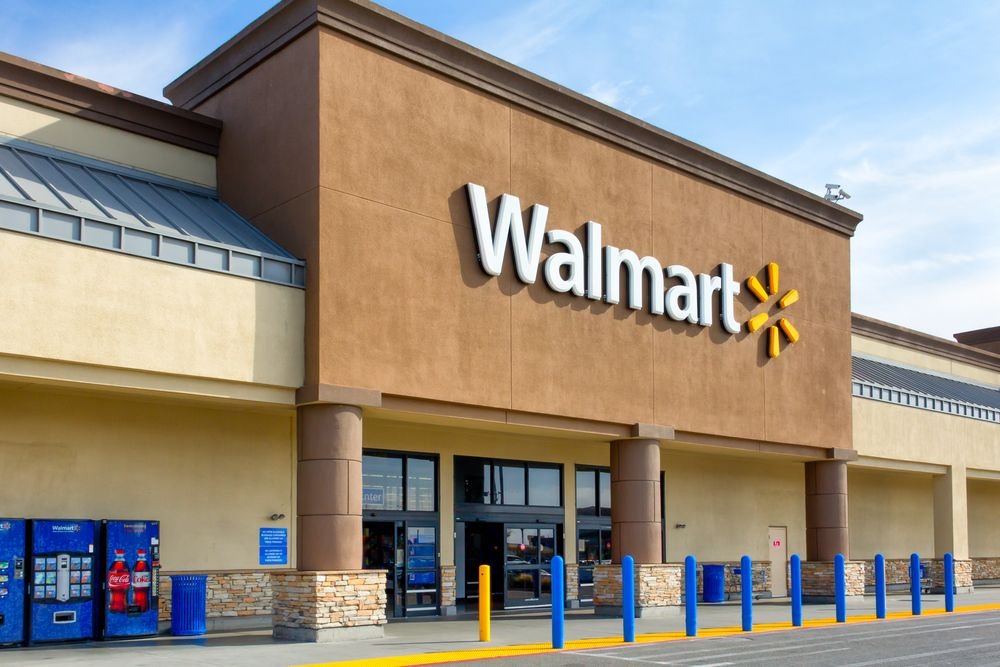
BENTONVILLE, Ark. — For the better part of a decade, Walmart was the most prominent holdout in American payments, refusing to accept Apple Pay and Google Pay at its registers while steering customers toward its own Walmart Pay app. On Aug. 21, the company announced it would begin accepting the major tap-to-pay wallets in its U.S. stores starting at the end of the month, ending a policy that had become a running joke among shoppers and a case study in corporate stubbornness.
The decision reverses one of the most carefully defended positions in retail. Walmart argued for years that accepting third-party wallets would cede control of customer data and payment relationships to Apple and Google, and that its own app offered better integration with loyalty programs and shopping history. The company invested heavily in Walmart Pay, pushed it in stores, and resisted pressure from customers and from Apple, which had spent years trying to get the retailer to flip. The announcement signals that the strategy has run its course.
The practical reason for the reversal is simple: customers wanted it. Surveys have shown that a significant share of shoppers abandon purchases when their preferred payment method is not accepted, and the tap-to-pay habit, built during the pandemic years, has become the default for millions of Americans. For Walmart, a retailer that competes on price and convenience, turning away customers at the checkout over a payments dispute had become a costlier position than conceding. The company’s statement framed the change as a response to customer demand, a phrase that in retail usually means the numbers were unambiguous.
The competitive dimension is harder for Walmart to accept gracefully. Apple Pay and Google Pay route transactions through the card networks and give the wallet providers visibility into spending patterns that Walmart had sought to keep for itself. Walmart Pay remains available, and the company said it would continue investing in its app and its membership programs, but the payments data that once seemed essential now looks less critical in a business where the real prize is the relationship between the store, the app and the customer’s household.
The change also reflects a broader shift in the economics of payments. The card networks and wallet providers have made tap-to-pay so convenient that fighting it has become a form of customer punishment, and even the largest retailers have concluded that acceptance is table stakes. Walmart’s holdout was the last high-profile example of the old model, in which retailers tried to build their own payment ecosystems to escape the fees and data flows of the card industry. That model has largely failed: consumers adopted the wallets they already had on their phones, and retailers’ proprietary apps, however polished, could not replace the default.
The announcement was met with the mixture of relief and irony that accompanies most Walmart payment news. Analysts noted that the decision, had it come years earlier, would have saved Walmart significant customer friction, and that the company’s own app will now compete for attention alongside the very wallets it once excluded. Investors, for their part, treated the news as a minor operational matter; Walmart’s shares barely moved.
The significance is in what the decision says about the balance of power in digital payments. Apple, which built Apple Pay into a service used by hundreds of millions of people, has now won over the last major holdout; Google has extended its reach through the same deal. The retailers that tried to stand against the wallet platforms have conceded one by one, and the acceptance of tap-to-pay is now as universal as the acceptance of credit cards. Walmart’s surrender is the final chapter of a battle that the payment giants won years ago, and the retail industry’s last big experiment in building its own rails is over.
The decision also closes a chapter in the longer history of retailers versus the card industry. For decades, merchants fought the card networks over interchange fees and data, and Walmart was one of the loudest voices in that fight, joining the merchants’ coalition that sued Visa and Mastercard over swipe fees. The tap-to-pay era added a new layer to the conflict: Apple and Google, as wallet providers, positioned themselves between the retailer and the customer, and Walmart’s resistance was partly an attempt to prevent that. The reversal acknowledges that the wallet platforms won the consumer, and that fighting them at the register costs more than it saves.
The company’s own app is not being abandoned. Walmart Pay remains integrated into the Walmart app, and the company has invested heavily in making the app the center of its shopping experience — order pickup, delivery, membership discounts and personalized offers. The change means the app will now compete for the customer’s default payment choice rather than being the only option, and Walmart’s data teams will be watching whether customers who use Apple Pay still open the app for the features that matter. The company’s long-term bet is that its membership program and its physical footprint, not its payments rail, are the durable sources of customer loyalty.
The payments industry, for its part, will treat the announcement as the final confirmation of a decade-old trend. Tap-to-pay adoption in the United States lagged Europe for years, held back partly by the very holdouts Walmart represented; that gap has closed, and the last major merchant to resist the wallets has now accepted them. The losers in the long fight were the proprietary payment schemes that retailers built and consumers ignored; the winners were the networks and the phone makers. Walmart’s announcement, quietly issued on a Friday, was the end of that story.