BOISE, Idaho — Micron Technology’s shares fell about 6.9 percent on Monday, sliding below $910, as investors weighed two pressures at once: a coming Chinese memory-chip initial public offering that promises to add supply to a market already bracing for a slowdown, and the escalation of a long-running patent battle with Netlist. The drop led a broad pullback in memory-sector stocks, and analysts said the declines reflect a growing conviction that the DRAM cycle has reached its peak.
The Chinese listing is the newer of the two worries. Barron’s reported that the planned IPO of a major Chinese memory maker — widely expected to be one of the largest technology listings of the year — is drawing investor attention to the supply side of the DRAM market, at a moment when demand growth from AI servers is the industry’s only reliable engine. A successful listing would give China’s memory champion access to fresh capital for capacity expansion, accelerating the addition of supply that the industry’s incumbents have been planning for.
The patent fight is older but newly painful. Netlist, a California-based memory module maker, has pursued Micron for years over patents related to high-bandwidth memory, and the legal battle has intensified in recent months, with rulings and counter-rulings in courts in the United States and abroad. Barron’s noted that the latest developments in the case added to investor uncertainty, and legal analysts said the dispute could produce damages or licensing obligations that dent Micron’s margins at exactly the wrong time.
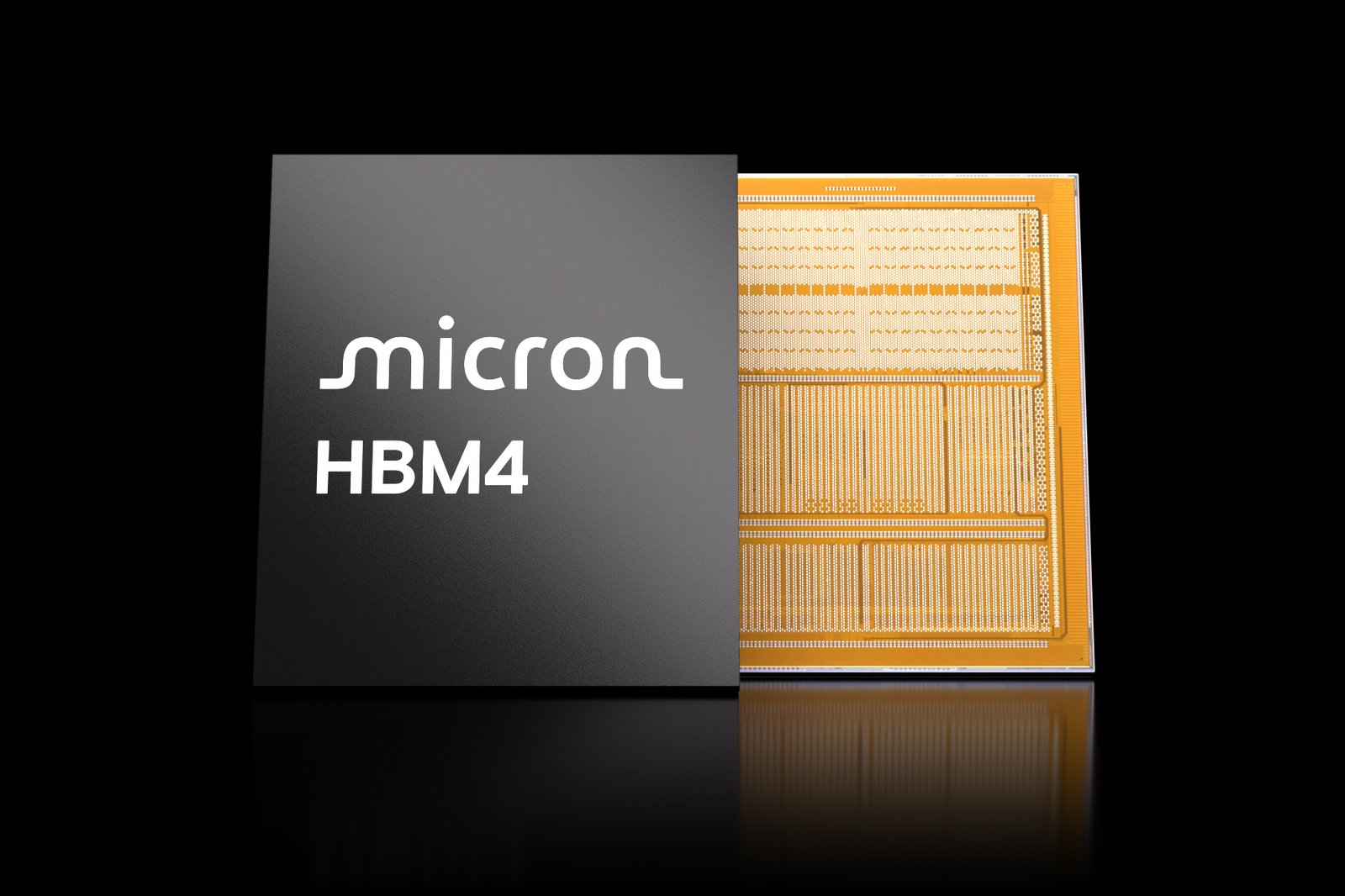
The stock’s slide is notable for its context. Micron had been one of the biggest winners of the AI memory boom, its shares more than doubling over the past year as high-bandwidth memory — the specialized DRAM that sits next to AI accelerators — became the industry’s hottest product. The company’s guidance has been consistently strong, and its executives have insisted that AI demand will keep memory markets tight for years. Monday’s decline suggests that a growing number of investors are questioning whether that guidance can survive the combination of new supply and maturing demand.
The memory industry’s history makes the skepticism easy to understand. DRAM has been the most cyclical market in technology, swinging between shortages and gluts with a rhythm that has bankrupted companies and enriched the survivors. The current cycle has been different in one respect — AI has created a new class of demand that did not exist in previous booms — but the fundamentals of the market, including the tendency of high prices to summon new capacity, have not changed. The Chinese IPO is the market’s reminder that memory supply is never scarce for long.
The broader sector moved in sympathy. Other memory producers fell alongside Micron, and the selloff spilled into the equipment and materials companies that supply the industry. Analysts said the moves were driven less by new information than by positioning: investors who had ridden the AI memory trade decided, in a single session, that the risks had shifted. The rotation was notable for what it left behind — stocks tied to AI compute held up better than the memory names, a sign that the market is distinguishing between the parts of the AI trade it still trusts and the parts it does not.
For Micron, the near-term questions are legal and cyclical. The Netlist litigation will resolve in courtrooms, and the Chinese listing will test whether investors’ appetite for new memory supply matches the industry’s ability to build it. The longer question is whether the AI memory boom, which turned Micron into a star of the current market, has more room to run or has begun the long descent that follows every memory cycle. Monday’s 6.9 percent drop was one day; the answers will take quarters. But the stock’s fall, and the sector’s slide with it, marked the moment the market stopped taking the memory cycle’s peak for granted.
The Micron slide also refocused attention on the valuation question that has hovered over the AI memory trade. Micron’s share price, even after Monday’s drop, embeds expectations that the company will deliver several more years of record earnings, and that high-bandwidth memory will remain a premium product rather than a commodity. The bull case rests on a specific assumption: that AI training and inference demand will grow fast enough to absorb both the industry’s existing expansion plans and the new supply that Chinese competitors are building. The bear case rests on the same history that has burned memory investors for four decades — that supply always arrives, and that the price always falls.
The Netlist dispute adds a legal variable that analysts say is difficult to model. Patent litigation in the memory industry has a history of sudden, large settlements and of verdicts that reshape product economics overnight. Netlist has pursued multiple memory makers, and its cases have produced mixed results, but the escalation with Micron has been marked by aggressive motions and international filings, leading some analysts to assign a real probability to a costly outcome. Micron has said it will defend the cases vigorously and has maintained that its products do not infringe.
For investors, Monday’s session was a lesson in how quickly the AI trade can turn selective. The memory names sold off while the broader AI complex held, and the divergence suggests the market is beginning to price memory stocks not as pure AI plays but as cyclical semiconductor names with an AI tailwind — a reclassification that changes how they are valued, and how far they can fall when the cycle turns. Micron’s management will make its case in the coming earnings call, with guidance that analysts expect to remain strong. The market, having asked the question, will be listening for an answer that justifies the price.