For decades, the message from Korea’s memory makers was consistent: fabs stay home. On Monday, SK Group chairman Choi Tae-won broke that pattern, publicly confirming that SK Hynix is considering setting up a joint venture in Japan to produce memory chips, the first time a Korean memory maker has seriously contemplated building there, according to people familiar with the matter.
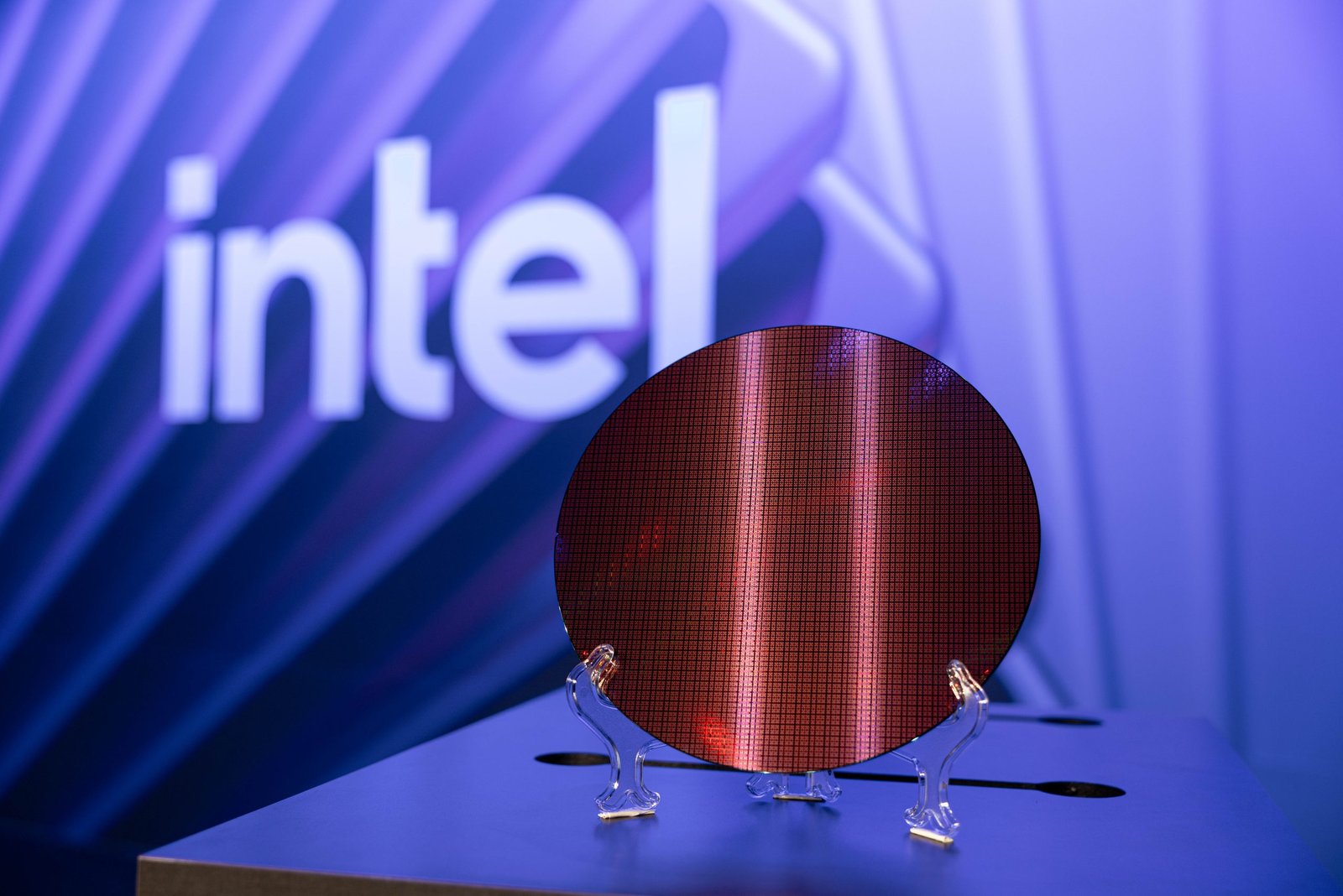
The same day, The Korea Herald reported that SK Hynix plans to hand the base die for its seventh-generation HBM4E memory to Intel Foundry, running the American chipmaker alongside TSMC as a second supplier for the crucial foundation layer of its AI memory stacks.
The two moves are linked by a single goal: securing capacity and cutting cost in a memory boom that SK Hynix’s own chief executive says will last until 2030. With 2027 production already sold out across the industry, the company is making supply-chain decisions that would have been unthinkable during the commodity era of memory.
The base die is the foundation of an HBM stack, the layer that manages the interface with the processor sitting next to it. For the current generation, HBM4, SK Hynix uses TSMC’s 12-nanometer process, and the base die costs three to four times as much as the core DRAM wafer, according to industry estimates. The cost structure makes the base die the natural place to apply competitive pressure, and dual sourcing is the standard way to do it.
Dual sourcing is about both price and security. Two suppliers compete on cost, and if one is disrupted, by geopolitics, fire or a capacity crunch, the other keeps the line running. TSMC’s dominance of advanced logic manufacturing has made it a single point of failure for the entire AI supply chain, and every major chip company has spent the past two years trying to reduce its dependence on the Taiwanese foundry.
Japan’s courtship of the memory industry has been years in the making. The government has poured subsidies into semiconductor revival, including support for Rapidus, the ambitious effort to build advanced logic manufacturing in Hokkaido, and it has made clear it wants memory capacity back on Japanese soil. A joint venture with SK Hynix would give Japan a memory foothold without the risk of building alone, and it would give SK Hynix a hedge against the concentration of its own production in Korea.
A Japanese fab would face the practical problem every new memory fab faces: the market is brutal for new entrants, and the capital cost is enormous. A modern memory fab costs on the order of $20 billion or more, and it must run at high utilization for years to pay for itself. The joint-venture structure spreads that risk, and potential partners could include Japanese equipment makers and trading houses with deep balance sheets, according to people familiar with the early discussions.
Intel Foundry’s role is a test of its turnaround. Intel’s foundry business has spent years trying to win leading-edge customers, and winning HBM base dies would be a small but symbolic victory: proof that an American foundry can compete for advanced work in the most profitable corner of the memory market. The work also carries reputational weight, since the base die sits in every AI accelerator sold, and Intel has been courting exactly this kind of high-volume, high-visibility business.
For TSMC, losing part of the base-die business is a modest revenue hit but a strategic signal. TSMC has dominated advanced packaging and the AI supply chain’s most profitable layers, and any erosion of that position, however small, will be watched closely. The company is already pivoting toward silicon photonics as its next growth bet, and the competitive pressure from Intel Foundry adds urgency to that plan.
The Japan question carries political weight beyond the economics. Korean and Japanese governments have spent years competing for semiconductor investment, and a SK Hynix joint venture in Japan would mark a rare case of the region’s two largest chip economies cooperating on production. The talks, if they progress, would also test whether the historical tensions between the two countries’ technology industries have eased enough for co-located manufacturing.
The timeline matters as much as the location. Memory fabs take two to three years from groundbreaking to volume production, so a decision made this year would deliver capacity around 2029 or 2030, roughly when the industry expects the current shortage to ease. The strategic logic of building now is to be ready for the next upcycle, not the current one, and both SK Hynix and Japan have reasons to want capacity in place when the cycle turns again.
For the foundry business, the base-die award would be Intel’s first major win in the AI memory supply chain, and Intel has been courting exactly this kind of business as it rebuilds its manufacturing ambitions. The company’s 18A process is scheduled for volume production next year, and the base-die work would run on a mature node Intel can produce at high yield. The question is execution: Intel’s foundry record is a series of promises followed by delays, and the industry will treat the award as tentative until wafers ship.
The industry stakes are considerable. HBM is the most profitable corner of the memory market, and SK Hynix controls roughly half of it. Every decision about where to build capacity and who to buy from shapes a market that is sold out through 2027 and beyond. The chairman’s comment was brief, an acknowledgment that Japan is under consideration and nothing signed, but in an industry where supply chains have hardened along geopolitical lines, even the consideration is news. The Japan question will be answered by the numbers, the foundry question by Intel’s ability to deliver, and both answers will be visible in the cost of every AI accelerator sold over the next decade.