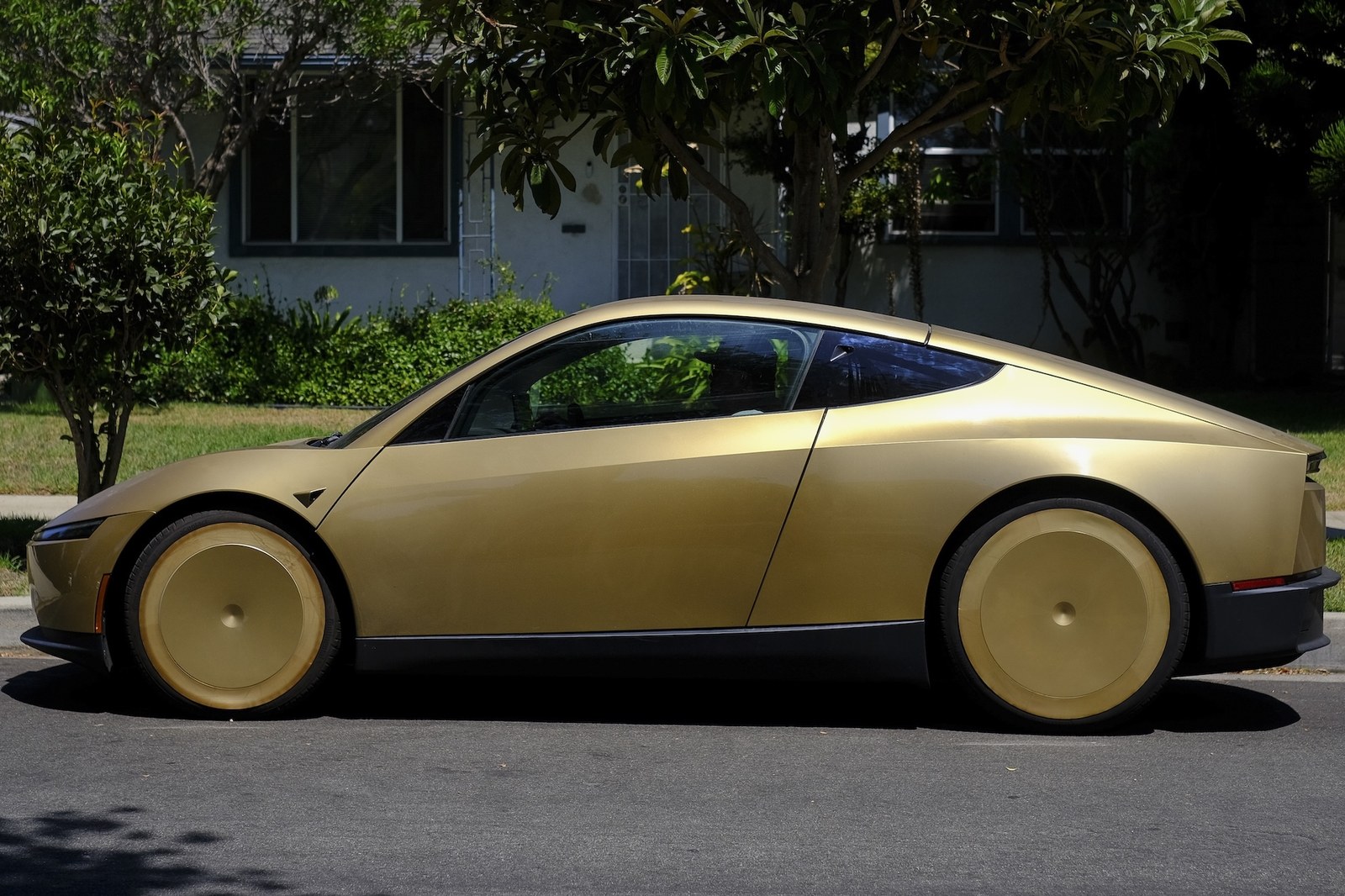
The timing could not have been tighter if it had been scripted. On Wednesday, Tesla put its first production Cybercabs on the streets of Austin, offering rides to members of the public in vehicles with no steering wheel and no brake pedal. On Thursday morning, the National Highway Traffic Safety Administration announced it had opened an investigation into the vehicle, according to Reuters, one that involves nearly a thousand of the robotaxis.
The probe targets the mechanism that lets the Cybercab exist at all: self-certification. Under U.S. rules, automakers do not receive approval from regulators before selling a vehicle; they certify that their products meet federal motor vehicle safety standards and put them on the market. NHTSA said it would examine the technical data behind Tesla’s certification and the basis for its claim that a car without manual controls complies with standards written for cars with them.
The question at the center of the investigation is one the industry has been circling for years. Federal safety standards assume a driver: a seat belt, a steering wheel, a way to stop the vehicle that a human can operate. A robotaxi with no steering wheel fits those standards awkwardly, if at all, and the only way to sell one under current rules is to argue that the vehicle meets the standards’ intent without their letter. Tesla made that argument, and NHTSA now wants to see the work behind it.
The investigation follows a pattern NHTSA established with an earlier pioneer of the same technology. When Amazon’s Zoox introduced its own driverless vehicle without manual controls in 2022, the agency opened a similar review, examining how the company had certified a design the standards did not contemplate. That probe eventually concluded without forcing Zoox to redesign its vehicle, and Tesla will be hoping for a similar outcome, but the precedent cuts both ways: NHTSA has shown it will examine such claims closely, and it has shown it can take years to finish.
The timing of the Austin launch adds political weight to the technical questions. Tesla chose to begin public rides the day before the agency opened its file, and the sequence will be read in one of two ways: either as an unfortunate coincidence, or as a company daring regulators to keep up. Tesla has a history of shipping first and answering questions later, and its chief executive has repeatedly criticized what he describes as regulatory overreach. The Cybercab launch was always going to be a test of how far that approach can go.
The vehicle itself is central to Tesla’s plans for the coming years. The company has described the Cybercab as the foundation of a robotaxi service it intends to operate at scale, and the economics of that service depend on vehicles that can be manufactured cheaply and run without human oversight. A steering wheel and pedals are, in Tesla’s telling, unnecessary weight: the vehicle drives itself, and manual controls would only add cost. Regulators, for their part, have to decide whether the standards that protect drivers protect the passengers and pedestrians around a vehicle with no way for a human to take over.
The investigation will also be watched by every other company building driverless vehicles. The industry has been waiting for a regulatory framework that matches the technology, and NHTSA has been working on rules that would govern vehicles without manual controls, but those rules have not arrived. In their absence, companies must navigate the self-certification path, and the outcome of the Tesla probe will help define how much room that path actually provides.
There is a public-confidence dimension that no regulator can ignore. Robotaxis have had a mixed record in the cities where they operate, with incidents that draw attention far out of proportion to their frequency. A vehicle with no steering wheel raises the stakes of any failure, because there is no fallback, no way for a passenger or a rescuer to take control if the software does something unexpected. NHTSA’s mandate is safety, and safety in this case means asking whether the absence of manual controls is a feature or a risk.
For Tesla, the investigation is an unwelcome distraction at a moment of expansion. The company has been rolling out its robotaxi plans in stages, and the Austin launch was meant to demonstrate that the Cybercab was real, production vehicles in service, not a concept on a stage. An open federal investigation does not stop the service, and NHTSA has not asked Tesla to halt operations, but it puts a question mark over the vehicle’s future just as Tesla is asking the public to ride in it.
The deeper issue the probe raises will outlast this investigation. The United States relies on a system in which manufacturers police themselves against safety standards, and that system was designed for an era when vehicles changed slowly. Self-driving technology has broken the assumption: cars now change faster than the rules that govern them, and the companies building them are making judgments that regulators never anticipated. The Cybercab is the most visible example yet of that gap, and NHTSA’s investigation is the beginning of the argument over how to close it.