Apple Faces Price Rises as AI Memory Demand Stirs ‘RAMageddon’
Apple’s next Macs, iPhones and iPads may cost more, and the reason is a shortage of the memory chips that go inside them, according to Chief Executive Tim Cook, who warned in an interview with The Wall Street Journal that artificial intelligence’s appetite for hardware has pushed the global memory market into severe shortfall. Cook said AI’s demand for computing resources is driving up the price of memory chips, and the costs are flowing through to device makers. Industry executives have taken to calling the surge “RAMageddon,” a play on the memory standard that has become the scarce resource of the AI boom.
The shortage has its roots in the semiconductor industry’s own arithmetic. The three companies that dominate memory production, Samsung, SK Hynix and Micron, have been shifting capacity toward high-bandwidth memory, the specialized chips used in AI accelerators, because those parts carry far higher prices than commodity memory. Every wafer devoted to an AI chip is a wafer not making the standard memory that goes into laptops and phones. The result is a squeeze at the bottom of the market even as demand for the top of the market explodes, and device makers are now feeling the consequences.
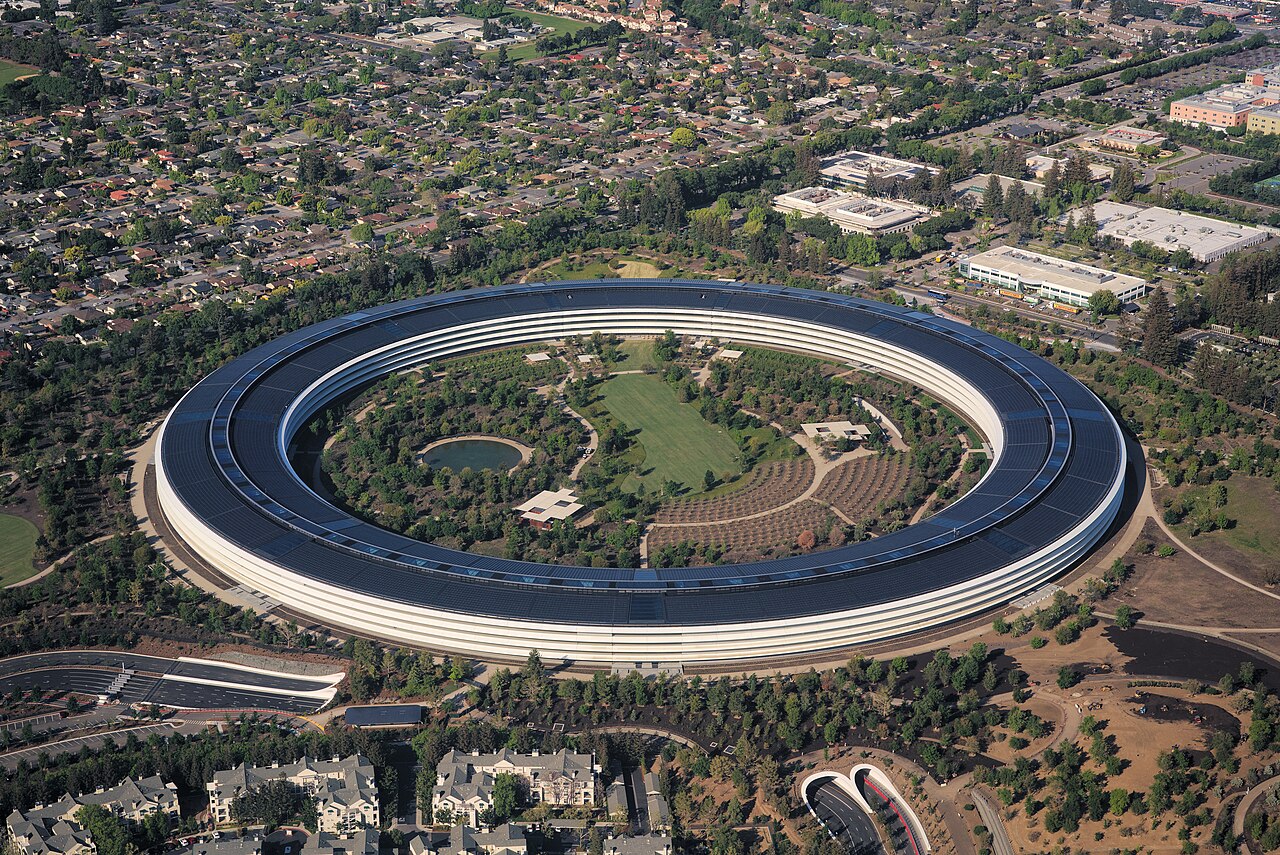
Apple is a particularly exposed player in this dynamic, analysts said. The company does not make its own memory chips, and unlike rivals it does not design its own AI accelerators for data centers either. Its products depend on third-party suppliers for both. In the current market, that makes it one of the least protected participants in the AI hardware boom, with little ability to influence the prices it pays. Cook’s warning this week was a rare public acknowledgment that the company’s famous supply chain management has limits.
The scale of the problem is easy to underestimate. Apple ships hundreds of millions of devices a year, and each one carries a meaningful amount of memory. A modest increase in the price of a memory chip multiplies across that volume into a substantial cost swing. The company has absorbed such swings before, but Cook indicated this one is different. “Unfortunately, price increases are inevitable,” he said, according to the interview, adding that Apple has tried to protect customers but that the situation has become difficult to sustain. Those comments marked a shift from the company’s usual silence on component costs.
The broader memory market has been volatile for years, swinging between glut and shortage as suppliers add capacity in cycles. What is new is the driver. Earlier shortages were tied to consumer demand for phones and computers. This one is tied to AI models, which consume memory at an extraordinary rate during both training and inference. Large language models hold enormous amounts of data in memory while they generate responses, and each generation of model demands more. Analysts said the structural nature of that demand means the current shortage may last longer than previous cycles.
For consumers, the question is how much of the cost increase Apple passes along. The company has historically preferred to adjust pricing at product launches, folding cost increases into new generations rather than raising prices on existing models. That pattern suggests the impact will show up in the fall lineup, when Apple typically refreshes its iPhones, rather than as sudden price changes on the shelves. Analysts said the company has the pricing power to pass on costs, given its brand and its loyal customer base, but that repeated increases could test demand in a market where consumers are already cautious about spending.
There is a strategic dimension to the moment as well. Cook, who is preparing to hand over the chief executive role, has presided over a company that rarely leads on new chip technology but has profited from being early to adopt it. The memory shortage exposes the risk in that approach: a company that does not control its own silicon depends on suppliers who are increasingly prioritizing AI customers. Rivals that design their own chips have more flexibility, analysts noted, though none of them manufactures memory either.
The immediate outlook depends on how quickly memory suppliers add capacity. Samsung, SK Hynix and Micron have all announced expansions aimed at high-bandwidth memory, but new fab capacity takes years to build. In the meantime, the entire device industry is bidding for a limited supply. For Apple, the calculation is simple: pay more, raise prices, or let margins shrink. Cook’s comments suggest the company has chosen the second option. Whether customers accept it will determine how much of the AI boom’s cost lands on consumers. The squeeze is most acute in the highest-end memory, the high-bandwidth chips that power AI accelerators, where prices have climbed sharply as suppliers auction capacity to the largest buyers. But the shortage has spilled into the commodity memory that Apple buys in enormous volumes, and component buyers said lead times for standard parts have stretched to levels not seen since the pandemic-era chip crunch. Apple has responded by securing longer-term supply agreements with its memory suppliers, according to people familiar with its procurement, and by designing its future products around the memory configurations most likely to be available. Those moves cushion the blow; they do not eliminate it, and Cook’s public comments suggest the company has concluded that the current pricing environment is not a temporary spike.
This article was prepared by Rhino Finance’s editorial team based on public reporting.