Fed Holds Rates Steady, Drops Easing Signal From Statement
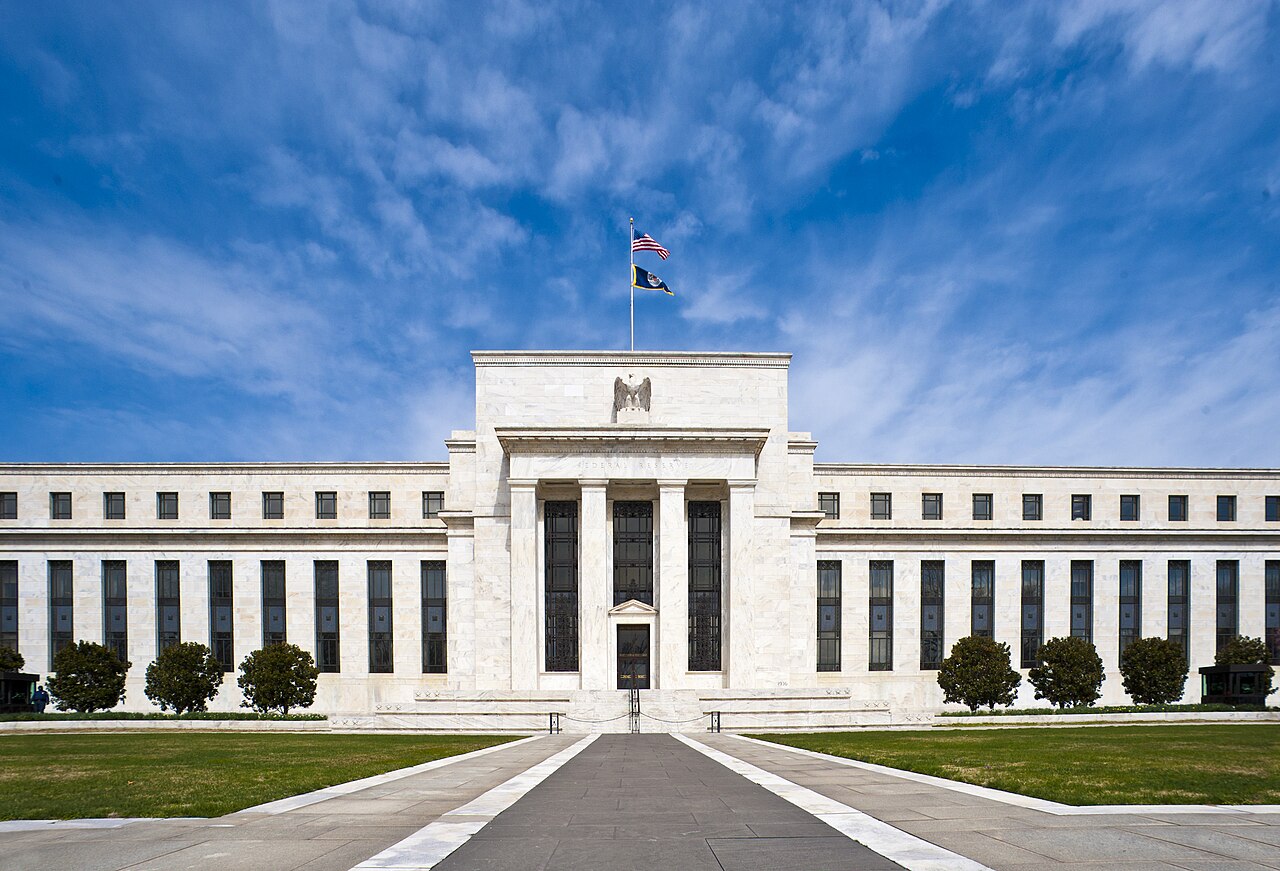
The Federal Reserve left interest rates unchanged at its June meeting and stripped from its statement the language that had signaled a bias toward future cuts, a hawkish shift that took many investors by surprise. The decision, announced Wednesday, keeps borrowing costs at their current level while the central bank weighs inflation that has proven stubborn against growth that is cooling in parts of the economy. The statement’s change in tone was deliberate, officials said, and reflects uncertainty compounded by the war in Iran, which has fed energy prices and clouded the outlook.
The removal of the easing bias is the most significant change in the Fed’s communication in months. Previous statements had included language suggesting that rate cuts would follow if inflation continued to ease; that sentence is gone. In its place is a more neutral formulation that leaves the next move dependent on incoming data. Fed Chair Jerome Powell said at the news conference that the committee wanted to signal it is in no hurry to cut rates, and that the path of policy will be set by evidence, not by the calendar. Markets, which had priced in a cut by the fall, moved to trim those expectations after the announcement.
The central bank’s caution reflects a difficult balancing act. Inflation has receded from its peaks but remains above the Fed’s 2 percent target, and the energy shock from the war in Iran has pushed prices in the wrong direction. At the same time, parts of the economy are slowing, with manufacturing weak and consumer spending uneven. The Fed’s dilemma is the classic one of an inflation shock that arrives during a growth slowdown: tighten and risk a downturn, or hold and risk letting inflation settle in. This month, the committee chose to hold, and to make clear it does not expect to ease soon.
Ed Yardeni, the longtime market strategist, went further, warning that “bond vigilantes” could force the Fed to raise rates in July. The term refers to bond investors who punish fiscal or monetary policy they consider too loose by selling government debt, pushing yields higher and tightening financial conditions by force. Yardeni’s argument is that the Fed’s credibility is on the line, and that if inflation does not fall, the market will do the central bank’s work for it, driving yields up until the Fed is compelled to respond with a hike. His warning reflects a view that is gaining adherents in the bond market, where yields have drifted higher in recent weeks.
For technology stocks, the policy stance is an uncomfortable backdrop. The sector’s valuations depend on expectations of future earnings growth, and those expectations are discounted at long-term interest rates. When rates stay higher for longer, the discount rate rises and valuations compress, a dynamic that has repeatedly bruised tech stocks over the past two years. The summer’s AI IPO wave has proceeded despite this, but the Fed’s message this week keeps the interest-rate environment a headwind for the most richly valued companies.
The war in Iran complicates the Fed’s math in ways that go beyond energy prices. Conflict has disrupted shipping, pushed up insurance costs and added uncertainty to supply chains that had only recently normalized. Central bankers generally avoid commenting on geopolitics, but the effects show up in the data they watch: import prices, freight rates and inflation expectations. Officials said the committee discussed the war’s economic effects at length, and the statement’s reference to “uncertainty” was widely read as code for the conflict’s unpredictable trajectory.
Economists differed on what comes next. Some read the statement as a straightforward hold, with the next move dependent on inflation prints over the summer. Others saw the removal of the easing bias as the first step toward a tightening cycle, noting that the Fed rarely changes its forward guidance this deliberately without meaning it. The bond market has begun to price in a meaningful chance of a July hike, according to fed-funds futures, a shift that would have seemed far-fetched a month ago.
The stakes for the broader economy are high. Rates that stay elevated squeeze borrowers across the board, from home buyers to companies rolling over debt, and they constrain the fiscal room available to governments that have grown accustomed to cheap borrowing. For now, the Fed has chosen patience, and it has chosen to say so plainly. Whether patience is enough will depend on inflation, on oil prices and on a war whose end is not in sight. The decision also carries political weight in an election year in which inflation has been the dominant economic issue. The White House has pressed the Fed to ease, arguing that the economy needs lower rates to support investment and hiring, and the central bank’s decision to hold, and to signal no hurry to cut, puts it in direct conflict with the administration’s preferences. Fed officials have insisted the committee is independent and that political considerations played no role in the decision, but the timing ensures the standoff will be parsed for months. Markets now face the prospect of a prolonged period of elevated rates, and the sectors most sensitive to borrowing costs, from housing to venture-backed technology, are already beginning to price that in.
This article was prepared by Rhino Finance’s editorial team based on public reporting.