The power deal Microsoft announced on September 9 bypasses the part of the system where data-center projects usually stall. Energy Forge One, a Chevron subsidiary, signed a 20-year power purchase agreement to supply roughly 2.67 gigawatts of dedicated electricity to Microsoft’s data centers in West Texas. The project, named Kilby, will be developed with Engine No. 1 and powered by GE Vernova gas turbines, at a cost of about $7 billion.
The arrangement skips the queue. Rather than apply for grid interconnection and wait years for approval, Microsoft is effectively co-building generation capacity with a partner and taking the output directly. Power delivery is planned for 2028, with a final investment decision due before the end of 2026.
The logic is a response to the single biggest constraint on data-center growth in the United States. Grid operators cannot connect new load fast enough, and the largest cloud providers have concluded that waiting is not an option. Building generation next to the data center, tied directly to it, trades the complexity of the grid for the complexity of owning part of an energy project.
The choice of Chevron and gas turbines is notable. The industry has spent years signing renewable deals and touting clean energy, and Microsoft has been among the loudest. Kilby runs on gas, a pragmatic admission that reliability and speed matter more right now than the carbon math, even if the company frames it as a bridge while longer-term clean capacity is built.
The same day, Microsoft moved on a different front: trust. The company signed an AI safety and privacy standard with the American Federation of Teachers and its New York affiliate, the United Federation of Teachers, a document that will be written into customer contracts. School districts that adopt it can terminate their agreements and seek damages if the terms are breached, a concession aimed at the educators who have been among AI’s most skeptical institutional buyers.
The teacher agreement is an attempt to buy credibility in a market Microsoft wants to grow. Schools are large, stable customers, but they are wary of student data and of AI’s effect on classrooms. Putting a national standard in writing, with enforceable exit clauses, is Microsoft’s way of saying it can be trusted with the risk, and of pressuring rivals to match the terms.
The third move of the day was aimed directly at a competitor. Microsoft released Dynamics 365 Activate in public preview, a tool that analyzes the data structures inside Salesforce and other environments to help customers move to Microsoft’s platform more quickly. The pitch is blunt: if you are thinking about leaving, here is the off-ramp.
The three announcements look unrelated, but they share a logic. Each lowers the friction cost of Microsoft’s expansion. Building power removes the grid bottleneck. The teacher standard removes the trust bottleneck in a cautious market. The migration tool removes the switching bottleneck for customers already on a rival’s software. Together they are a set of levers on the same machine.
The power deal is the one with the longest horizon and the largest dollar figure. Two and a half gigawatts is enough to run a substantial cluster of data centers, and a 20-year term commits Microsoft to a physical asset for decades. Analysts said the company is trading some flexibility for certainty, which is what a business buying power for AI training actually needs.
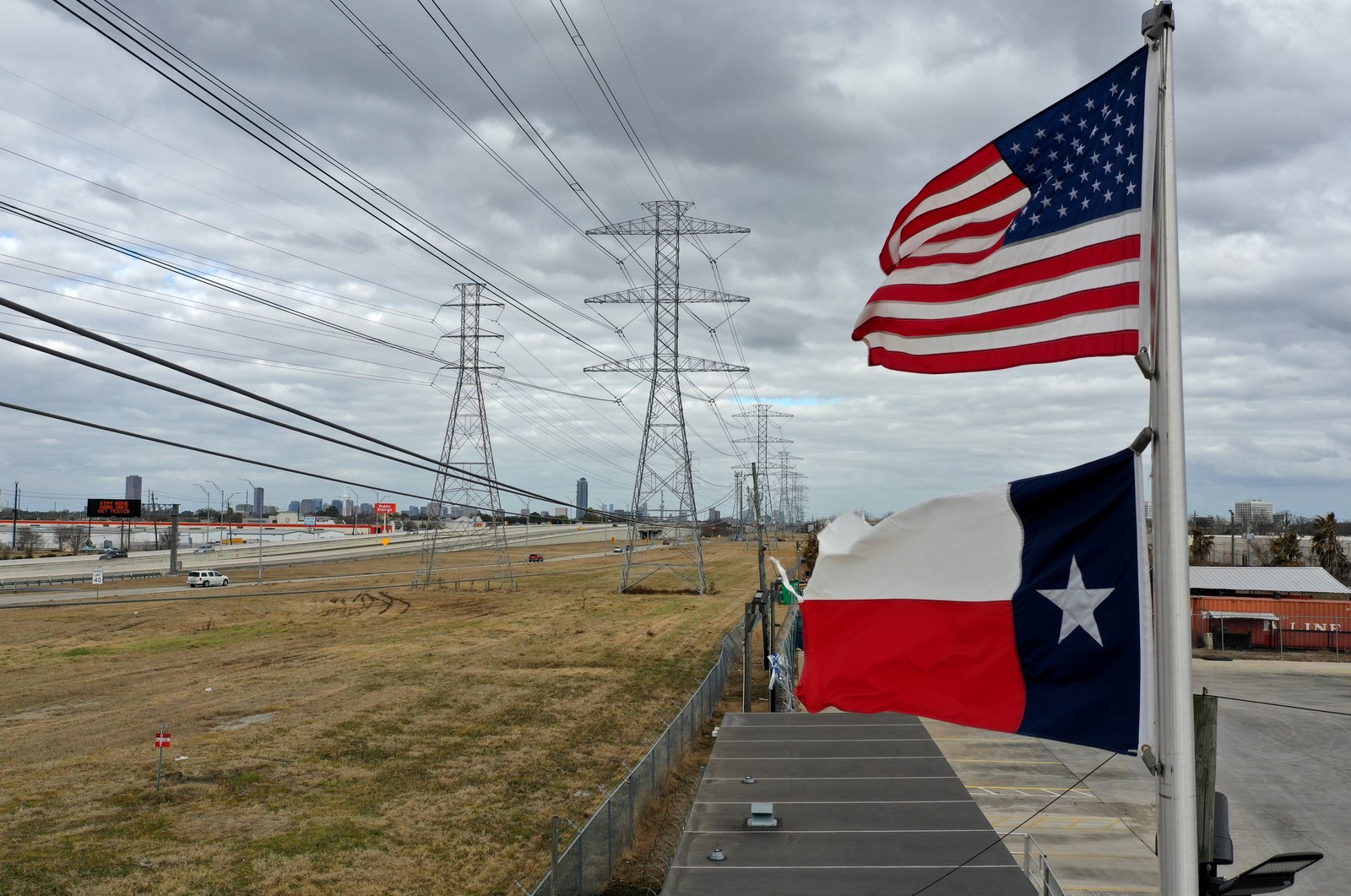
The Kilby project’s structure is also a bet on Texas. The state’s grid is isolated from the rest of the country and has a history of strain, which is precisely why a dedicated plant makes sense there. By co-developing generation with Chevron and Engine No. 1, Microsoft sidesteps the state’s interconnection queue and its weather-driven volatility in one move.
For Chevron, the deal is a diversification play that few oil majors have made so cleanly. The company is using its project-development skills and land position to serve a customer that will consume enormous, predictable volumes of power for two decades. It is a new kind of oil-and-gas business: selling electrons instead of barrels, to a customer that needs both certainty and speed.
The school deal and the power plant both address constraints that have slowed Microsoft’s AI buildout, but on different timelines. Power arrives in 2028; the teacher standard takes effect as soon as districts sign. The company is working the near-term and the long-term problems at once, betting that removing friction now compounds into share later.
The teacher standard and the migration tool will take years to show whether they work. The power plant has a hard deadline in 2028. What the day made clear is that Microsoft is no longer treating the constraints on its growth as someone else’s problem to solve. It is building the power, writing the standards, and opening the off-ramps itself, one bottleneck at a time.