
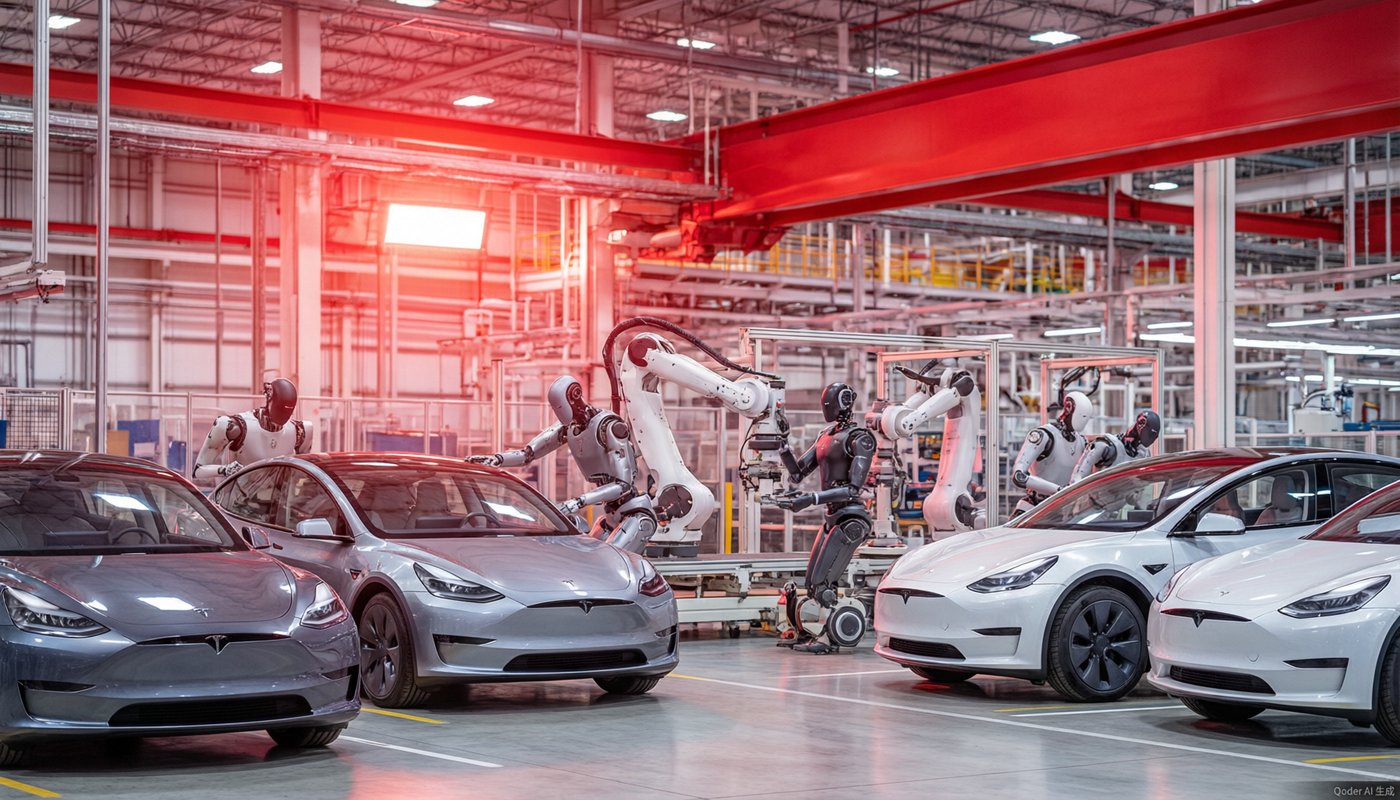
The numbers will be released after the market closes on Thursday, and Tesla’s investors have already voted with their money. The company’s shares have risen more than 10 percent this week, pushing the stock back above 420 dollars, its strongest weekly gain in months, on optimism about the robotaxi business and progress on the Optimus humanoid robot. Thursday evening’s delivery report will show whether the rally has a foundation.
Wall Street expects Tesla to report deliveries of between 440,000 and 460,000 vehicles for the second quarter, according to analysts surveyed ahead of the report. The range reflects the uncertainty that has surrounded Tesla’s sales for two years, as the company’s growth has slowed from the torrid pace of the early electric-vehicle boom and competition has intensified in every market where it sells.
The stock’s move this week has been driven by the two businesses that have nothing to do with selling cars. Tesla’s robotaxi service, which began expanding in more cities earlier this year, has given investors a reason to value the company as a technology platform rather than a car maker. And the Optimus humanoid robot, long a showcase piece, has shown enough progress in recent demonstrations that some analysts have begun building it into their valuation models.
The delivery report is the test of the traditional business. Tesla’s automotive margins have been squeezed by price cuts and competition, and the company’s vehicle sales have been roughly flat in some quarters, a performance that would be disappointing for a company whose stock trades at the level Tesla’s does. The bulls argue that the car business is now a funding engine for the robotics and AI bets; the bears argue that a car company that cannot grow car sales is a car company in trouble.
The range of expectations reflects the disagreement. Analysts at the optimistic end of the range expect a strong quarter, with deliveries helped by the Model Y refresh and by incentives in China; those at the pessimistic end expect another flat result, with the company’s share of the global EV market continuing to erode. The gap between the two views is wider than for most companies, and the market’s reaction to the report will depend on where the actual number lands.
The analyst warnings have been unusually pointed. Several research notes in recent weeks have cautioned that if deliveries come in at the low end, the rally could reverse quickly, since the stock’s gains have been built on the robotics story rather than on vehicle sales. The robotaxi and Optimus narratives can carry the stock only if the core business does not collapse, the analysts said, and the delivery report is the first chance to check.
The report’s framing matters as much as the number. Tesla has been managing expectations around its delivery data for years, and investors have learned to read the commentary that accompanies the figures as carefully as the figures themselves. Executives have signaled that they will present the quarter in the context of the company’s broader ambitions, with the robotaxi expansion and Optimus development featured alongside the vehicle numbers.
The broader market context is also in play. Interest rates, consumer confidence and the price of competing electric vehicles all affect Tesla’s delivery numbers, and the second quarter has been uneven across the auto industry, with some manufacturers reporting strong sales and others warning of weakness. Tesla’s report will be read as a data point on the health of the electric-vehicle market as much as on the company itself, and the stock’s reaction will reflect both readings.
The robotaxi business is the wild card. Tesla has been rolling out its ride-hailing service in additional cities, and the company has said utilization and revenue are growing, but it has not disclosed the kind of detailed operating data that would let investors verify the claims. The delivery report will not include robotaxi economics, which leaves the market to speculate until the company’s next earnings call.
The stock’s level makes the stakes high. At above 420 dollars, Tesla trades at a valuation that assumes the robotics and AI businesses will become enormously valuable, and that assumes the car business keeps funding them. A delivery number at the top of the range supports that story; a number at the bottom raises questions about how long the funding lasts. The market has been willing to pay for the story, but it wants the numbers to cooperate.
Thursday’s report will be digested by a market that has already moved. The stock’s 10 percent rally this week means some of the good news is priced in, and the reaction to the report will be measured against expectations that have risen with the share price. Tesla’s investors have been through this before, and they know the pattern: the stock runs on ambition, and the delivery report is where ambition meets arithmetic.



