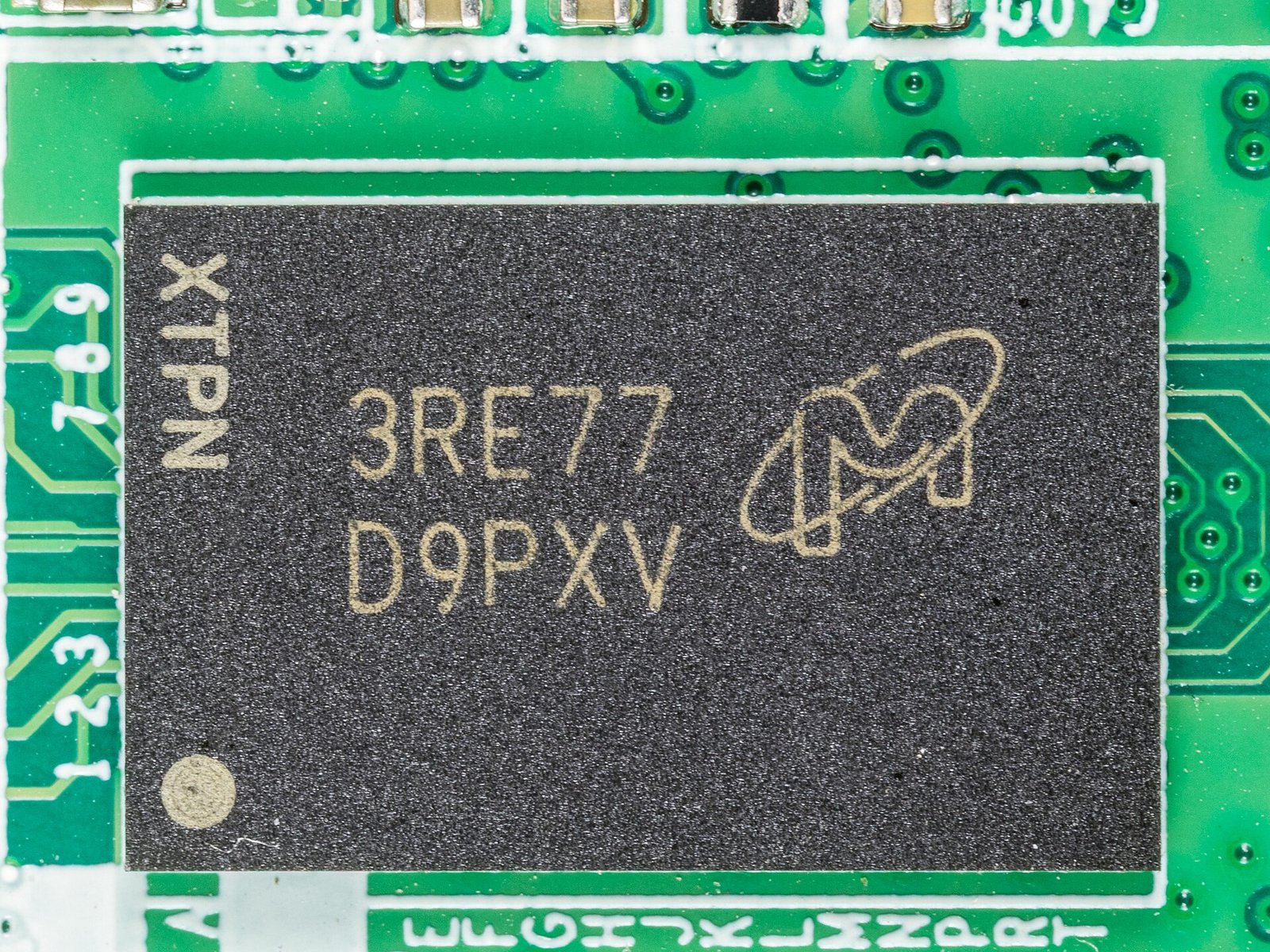
Netlist Inc. is small by the standards of the semiconductor industry, but for years it has turned a portfolio of memory patents into a weapon against the largest names in chips. On Tuesday the Irvine, California company pressed that fight further, asking the U.S. International Trade Commission to ban imports of Micron memory chips and the Nvidia, Google and Broadcom products built around them.
The complaint, first filed under seal the previous Friday, covers two high-bandwidth memory patents, the technology that sits beside AI accelerators and feeds them data. Netlist is seeking exclusion and cease-and-desist orders against Micron and three downstream customers it names as respondents: Nvidia, Broadcom and Google. Micron, Google, Nvidia and Broadcom did not respond to requests for comment.
The ITC route is different from a district court. The commission cannot award damages, but it can block products at the border, and it typically moves faster than a jury trial. For a company the size of Netlist, the threat of an import ban is often the point: it forces settlement talks with companies that would rather keep their products flowing.
Netlist has built its litigation record in Texas. In May 2024, a jury in Marshall awarded the company $445 million after finding that Micron willfully infringed two of its patents covering memory modules, in a case heard by U.S. District Judge Rodney Gilstrap. That verdict followed a $303 million award against Samsung in April 2023, also in the Eastern District of Texas.
The Samsung fight ended in a settlement. The two companies agreed in August to resolve their global patent dispute, with Samsung gaining access to Netlist’s patent portfolio and agreeing to supply DRAM and NAND memory and to buy shares in Netlist. The deal followed a combined $421 million in Texas jury awards across the two Samsung trials.
This is not Netlist’s first pass at the trade commission this year. In August it filed a separate complaint at the ITC seeking to block imports of memory modules used by server makers including Supermicro, Hewlett Packard Enterprise and Lenovo. The September filing broadens the campaign from server assemblers to the memory supplier and the chip companies whose accelerators depend on the chips.
High-bandwidth memory has become one of the most fought-over components in computing. Unlike the memory sticks inside a personal computer, HBM is stacked and packaged directly beside the processor to move data fast enough to keep an AI accelerator busy, and it has been in short supply as demand for AI servers has grown. Controlling who can import it touches the entire chain of companies selling AI hardware.
The new complaint lands at a deliberately inconvenient moment. Micron reports fiscal fourth-quarter results after the market closes on Wednesday, and analysts expect revenue of about $50.75 billion, a figure that would set a company record. A patent fight over the memory that powers AI accelerators, filed the day before, arrives on the eve of an earnings report the company would rather keep clean.
The stakes reach beyond Micron. High-bandwidth memory is the scarce component inside the servers that train and run large AI models, and a ruling against Micron could ripple through the supply chains of the chipmakers and cloud providers that buy its products. Netlist has spent decades developing memory technology, and Chief Executive C.K. Hong has cast the litigation as a defense of engineering that larger companies used without paying.
Netlist has been in the memory business since 2000, developing memory subsystem technologies used in servers and storage, and it holds a portfolio of patents it has defended and licensed for years. Its market value is a fraction of any single respondent’s, which is precisely what makes the ITC a useful forum: there, a small patent holder and the largest chipmakers meet on more even footing than they would in a contest over legal budgets.
Analysts said the ITC filing fits a pattern. Netlist, which trades over the counter, has few products of its own at scale and has come to depend on patent enforcement as a line of business, pairing lawsuits with licensing deals and, in the Samsung settlement, an equity stake and a supply agreement. Each filing raises the cost of ignoring the company.
What the trade commission will do is uncertain. The ITC must decide whether to open an investigation, and a final exclusion order could be years away even if Netlist prevails. But the arithmetic of an import ban, which can halt products regardless of who ultimately wins damages, gives a small patent holder a tool that cash cannot buy. For Micron, Google, Nvidia and Broadcom, the question is no longer whether the patents are worth something. It is how much they will pay to keep the chips moving.