Micron Technology delivered its sixth consecutive record quarter after the market closed on September 30, and its shares fell anyway. The chip maker cleared every target it had set for itself. The problem was the number that came after the results.
Revenue in the fiscal fourth quarter reached $54.229 billion, up 379% from a year earlier and 31% from the prior quarter. Non-GAAP gross margin hit 87%, and diluted earnings per share came to $33.42. Revenue, margin and earnings all landed above the top of the company’s own guidance.
For fiscal 2026 as a whole, Micron reported revenue of $133.188 billion, up 256% from the prior year. DRAM revenue crossed $100 billion for the first time. Data-center SSD revenue in the quarter approached $10 billion, roughly ten times the level of a year earlier.
The results were not the problem. The guidance and the spending plan were. Micron guided first-quarter revenue to $61.5 billion, give or take $1.5 billion, with gross margin around 86.25%, and then disclosed that it will raise capital spending to about $25 billion in the first half of fiscal 2027, with the full year higher still.
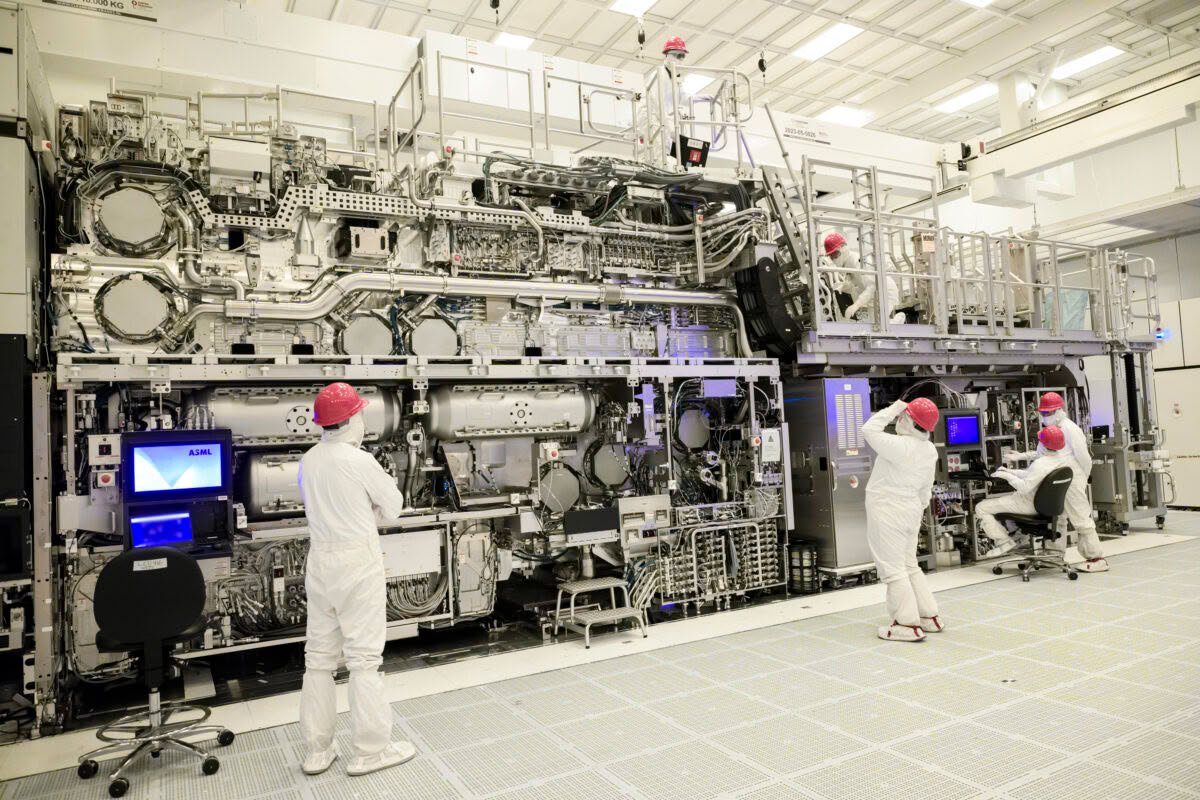
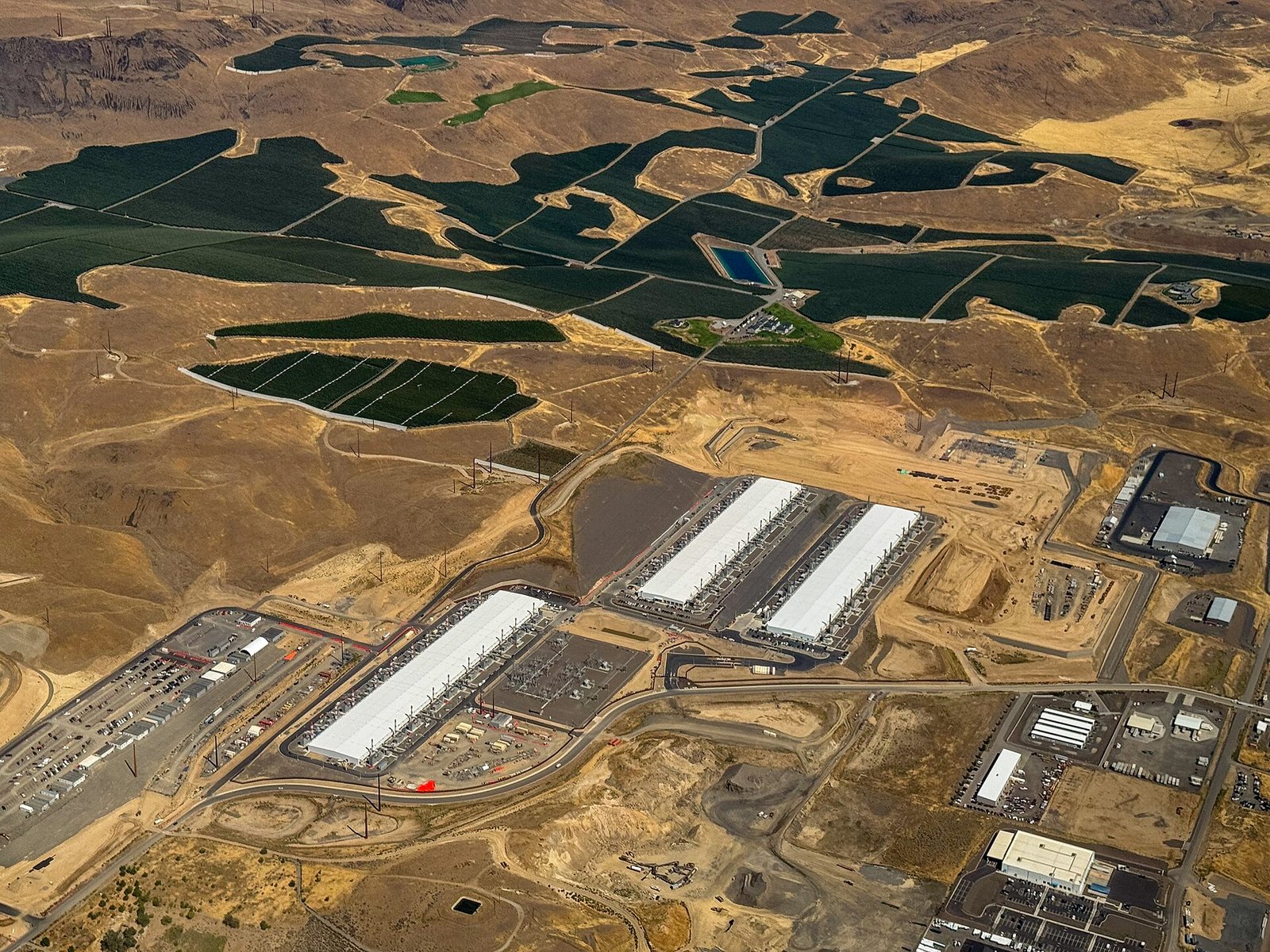
Most of that spending is headed for cleanroom construction, the concrete-and-steel work that precedes installation of the machines that actually make memory. The announcement landed on top of a record quarter and turned a beat into a decline in after-hours trading, as the spending plan overshadowed the results.
The surge that lifted Micron’s numbers is the AI data-center boom. Memory, and DRAM in particular, sits at the center of it. The high-bandwidth-memory stacks that accompany Nvidia’s accelerators are a specialized form of DRAM, and the data-center SSDs that store the models and their training data are NAND. Both products are Micron’s core business, which is why the company’s revenue has quadrupled inside three years.
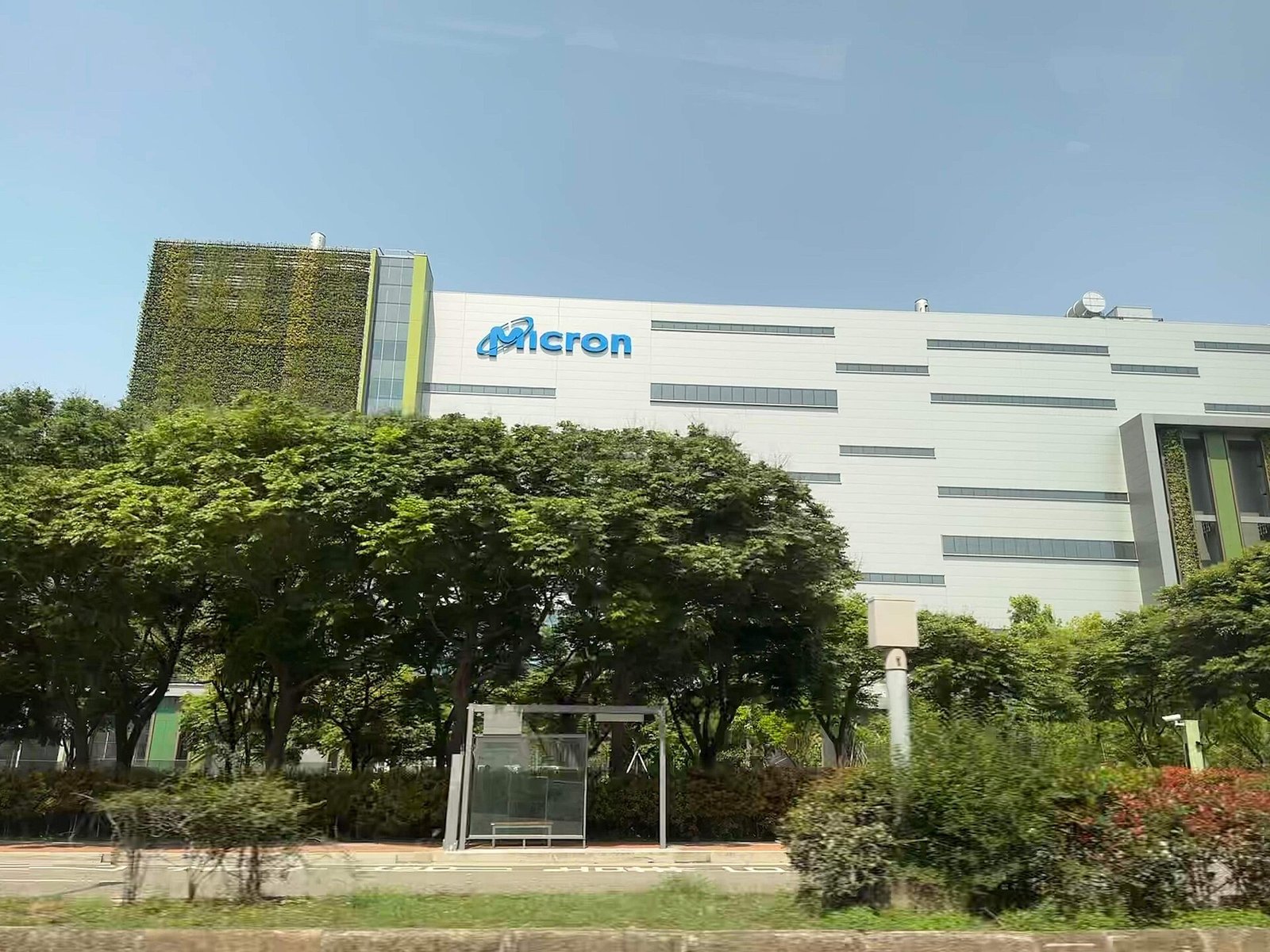
Micron, based in Boise, Idaho, is one of three companies that dominate the memory business, alongside South Korea’s Samsung and SK Hynix, and the only one of the three based in the United States. That trio controls the DRAM that goes into nearly every server, phone and car, and the AI boom has concentrated a disproportionate share of the newest, most profitable DRAM in a handful of buyers building data centers.
The highest-margin slice of that demand is high-bandwidth memory, which is stacked and packaged next to the processor so it can feed an accelerator fast enough. Micron has spent the past two years trying to close the gap with SK Hynix, the early leader in the product, and its results suggest the effort is paying off. The data-center SSD figures tell a similar story, as AI systems pull storage demand up the same curve as memory.
Investors have been burned by this business before. Oversupply crushed memory prices in 2019 and again in 2023, wiping out profits and forcing cuts to output and capital spending. Micron emerged from both downturns leaner, and its executives have repeatedly said the company will not build capacity without signed customer commitments. The $25 billion figure is the first sign in this cycle of a shift toward building ahead of demand rather than behind it.
Memory is a cyclical business, and Micron’s recent history contains two severe downturns in the past decade. The stock market’s reaction to the spending plan reflects a fear that the industry, flush with demand, is building capacity for a peak that memory markets always reach. Analysts said the guidance itself was strong; the anxiety was concentrated in the capex number and what it says about management’s view of the cycle.
Executives framed the spending as a response to demand they expect to persist. Cleanroom construction takes years to turn into working fabs, so the commitment is effectively a bet that the AI buildout still needs memory in the late 2020s. The company did not say the spending would slow after the first half of fiscal 2027; it said the full-year figure would be higher.
Sanjay Mehrotra, Micron’s chief executive since 2017, has guided the company through both downturns and has argued that AI has changed the shape of memory demand, smoothing a cycle that once swung with personal computers and smartphones. His bet is that this boom is structural; the spending plan is where that bet becomes visible.
That is the uncomfortable part for investors. A record quarter that beats every target is ordinarily cause to mark up the stock. A record quarter accompanied by a promise to spend tens of billions on new capacity is a different story, because it converts today’s scarcity into a question about tomorrow’s oversupply. The after-hours move suggested investors had already made that calculation.
Micron’s own guidance points to more of the same near term. A $61.5 billion first quarter, at an 86.25% gross margin, would extend the run of records. What the market chose to focus on was the further-out signal: the company is spending as if the boom has years left to run, and the stock is being priced as if that is exactly what investors are not yet sure they believe.