
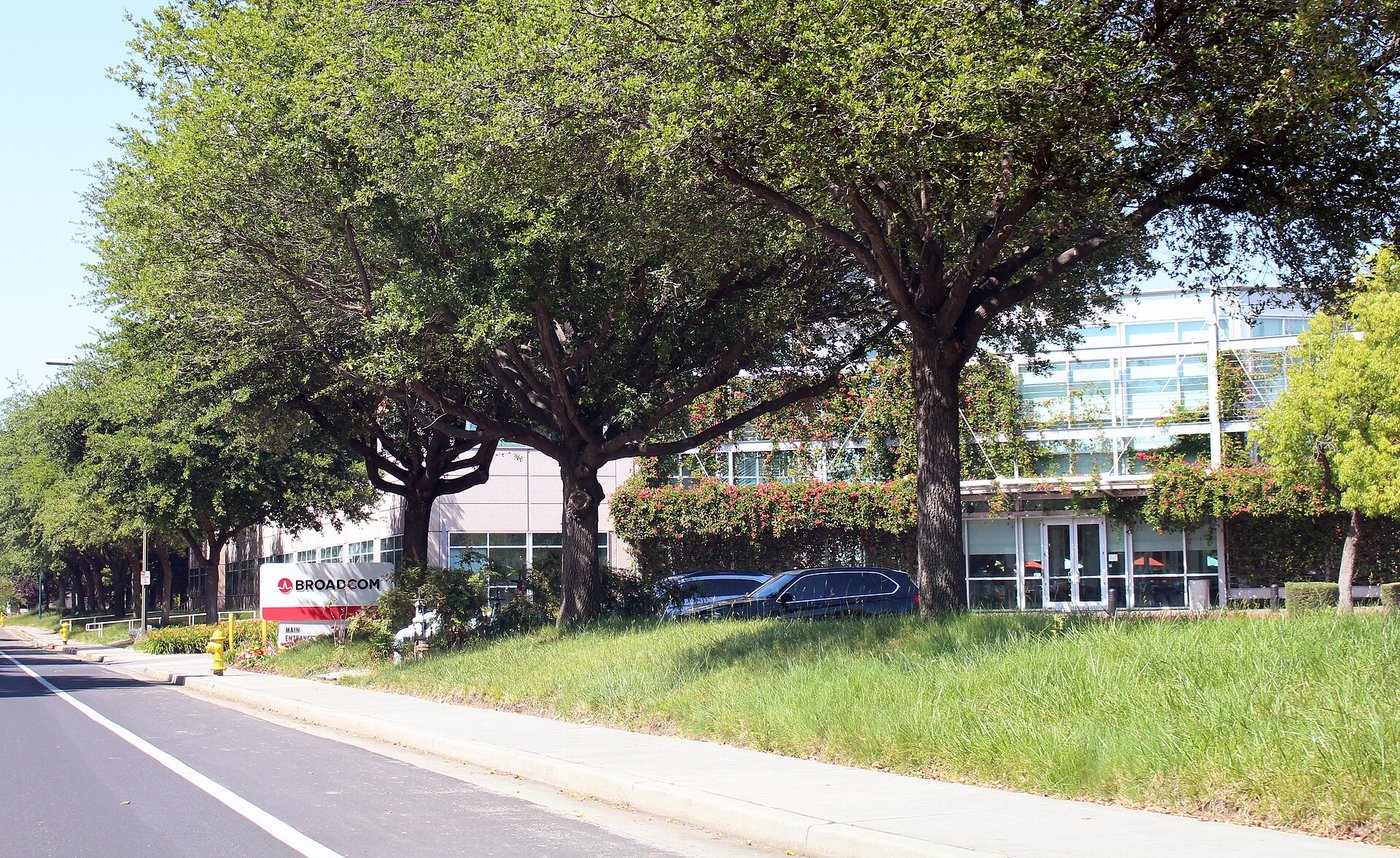
The bill for Anthropic’s artificial-intelligence chips is large enough to need its own financing, and now Wall Street is putting the package together. Banks led by Broadcom have begun raising roughly $60 billion of debt to pay for the compute that Anthropic has already committed to buy.
The structure, described by people familiar with the matter and reported by Bloomberg on October 2, splits the package in two. Banks are preparing about $42 billion of senior secured debt, while Blackstone is leading roughly $18 billion of junior mezzanine debt, committing $900 million of its own money and distributing the rest to investors. Neither company has commented, and the deal has not been formally announced.
The outline matches what Anthropic has already disclosed in its IPO prospectus. Broadcom has agreed to lend up to $42 billion so the company can rent TPU computing power, and Anthropic has pledged $125.2 billion of computing spending over the next five years. The debt package is the financing behind that pledge.
The numbers are the clearest signal yet of the scale of capital now required to stay in the artificial-intelligence race. A company that must finance its chip bill with tens of billions of dollars of debt is not buying infrastructure at the margins. It is making a bet that the returns from renting that compute to customers will comfortably exceed the cost of the money.
The two-tier structure is standard for large financings of this kind. Senior secured debt sits at the top of the capital structure, paid first and priced lowest. Mezzanine debt, led here by Blackstone, sits below it and carries a higher yield in exchange for more risk. The split lets banks and funds with different appetites each take a slice of the exposure.
For the banks syndicating the deal, the work is partly about finding the right price and partly about finding the right buyers. Senior lenders get protection in the form of a first claim on the collateral; the mezzanine investors get a bigger coupon for accepting that they will be paid after everyone else. In a financing this size, even small disagreements over those terms translate into hundreds of millions of dollars.
For Broadcom, the arrangement extends a relationship that goes far beyond chips. The company designs the custom AI accelerators that Anthropic has bought at scale, and lending against those purchases ties Broadcom’s fate even more tightly to its customer’s. When a chip supplier also becomes a lender, it is effectively financing its own order book.
Broadcom sits at the center of that bet in two roles at once. The company co-designs the custom accelerators that Google uses for its TPU line, the same class of chips Anthropic rents, and it has turned custom silicon into one of its fastest-growing businesses. Lending against the purchase of those chips makes Broadcom the supplier, the banker and, to some degree, the underwriter of Anthropic’s expansion.
The financing is being read as a vote of confidence in Anthropic’s trajectory even as the company prepares to go public. Investors willing to buy mezzanine debt in an AI lab are betting that the company’s revenue will keep pace with its obligations. That is a different kind of conviction than buying the equity, but it is conviction all the same.
The scale also explains why the financing is being assembled by a syndicate rather than a single bank. A $60 billion package is too large for one balance sheet, so the risk is spread across the firms that have spent years lending to technology companies. The syndication process itself will be a test of appetite. If the debt proves hard to place, it will say something about how lenders view AI spending.
The backdrop is a boom in AI capital expenditure that has made debt markets a central part of the story. Hyperscalers and labs have turned to bonds and loans to fund data centers and chips, and the amounts keep rising. Anthropic’s package is among the largest tied to a single customer’s compute needs.
The appetite for this kind of debt has been building for months. Lenders that once balked at financing unprofitable AI companies have warmed as the labs signed long-term contracts for their compute, turning a speculative expense into something that looks more like a utility bill. A debt package secured against computing capacity, rather than against physical assets alone, is still a relatively new instrument, and this deal is a large test of how far lenders will go.
Whether the financing succeeds on its current terms remains to be seen. The deal is not done, and both companies are keeping quiet. But the direction is unmistakable. The companies building the largest AI models are no longer paying for compute out of venture rounds alone; they are borrowing against the future, at a scale that would have been hard to imagine a few years ago.



