
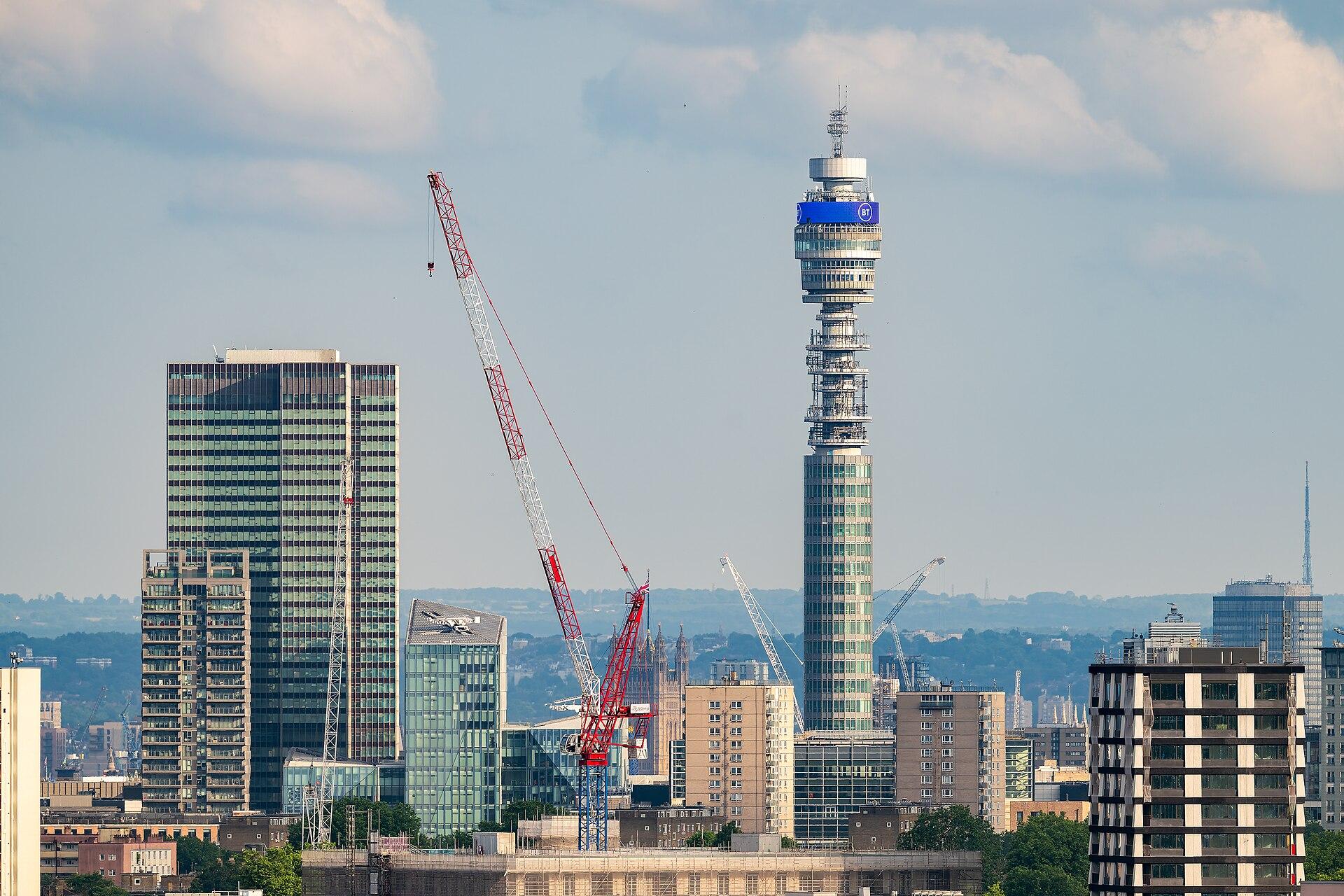
For months, TalkTalk’s owners tried to sell the British broadband provider piece by piece, and for months nobody would meet the price. On October 5, BT ended the search, agreeing to buy TalkTalk and its wholesale business out of administration in a deal that will cost roughly 400 million pounds and fold about 2.5 million customers into the country’s largest network.
The transaction is a rescue rather than a takeover in the usual sense. TalkTalk had been sliding for years, its retail customer base shrinking from more than four million at its peak to about 1.5 million, weighed down by debt taken on when it was privatized in 2021. When the sale process finally failed, the company went into administration, and BT stepped in to acquire the assets on a debt-free basis.
The 400-million-pound figure is a cash impact, not a simple purchase price. BT said the number covers the acquisition consideration, transaction and administration costs, working capital, about 60 million pounds of trading losses through the rest of its financial year, and roughly 100 million pounds that it will no longer collect because Openreach, its own network arm, was TalkTalk’s largest supplier. Some of the money BT is spending is money it is, in effect, choosing not to recover from a customer it now owns.
BT’s chief executive, Allison Kirkby, cast the deal as a matter of public interest. She said millions of citizens and businesses would have been at risk had TalkTalk collapsed. BT described its move as a step to protect vulnerable households and the connections that support health, emergency services, defense and other critical national infrastructure.
The structure of the deal explains much of its appeal to regulators. BT already controls Openreach, the fixed-line network that most of the country’s broadband runs over, and it holds roughly 30 percent of the retail market, according to Enders Analysis. Buying TalkTalk’s retail and wholesale operations adds 1.5 million broadband customers directly and another million wholesale connections through PXC, TalkTalk’s wholesale arm. That is a large step toward consolidation in a market where competition over the “last mile” has been the subject of years of scrutiny.
The Competition and Markets Authority is expected to review the transaction, and the government’s culture secretary will weigh in on national-security grounds. Until that process concludes, the two businesses will run separately, with Clive Selley, BT’s chief executive for international operations, leading the stabilization work. The administrators, Alvarez & Marsal Europe, said the sale will transfer all 900 employees of TalkTalk’s consumer and broadband business, along with PXC, to BT.
Kirkby’s framing pointed to the fragility underneath the numbers. The company said a substantial share of TalkTalk’s customers are considered vulnerable, and the connections PXC supplies reach into government and emergency services. If the business had collapsed outright, those customers would have had to be moved under emergency measures, at greater cost and with no certainty of service. Buying the business whole was, in BT’s account, the cheaper and safer path.
The failed auction tells the story of the decline. TalkTalk had held exclusive talks to sell its consumer arm to Opus Broadband and its wholesale business to Octopus Investments, and private-equity firm Epiris pursued PXC as well. None reached a deal. Group debts of between 1.4 billion and 1.5 billion pounds complicated every approach, as did bidders’ concerns about the fees Openreach charges, which run to tens of millions of pounds a month.
TalkTalk generated about 1.2 billion pounds in revenue over the past year and still lost money. Its slide from a value of about 2 billion pounds at privatization to an asset sold out of administration shows how quickly a mid-market broadband provider can unwind when it carries too much debt in a market where the largest player owns the network underneath everyone.
For BT, the acquisition is a bet that it can absorb TalkTalk’s customers at low cost, since they are already running over the Openreach network it controls. The company said it will report the business as a separate segment and expects it to become value accretive over time. The savings come from scale: a customer moved from TalkTalk’s billing system onto BT’s is a customer whose network costs stay in the family.
The risk is regulatory. BT is the incumbent, and adding the customers of a failed rival will draw questions about whether the market is becoming too concentrated. The company has framed the deal as the only viable way to keep millions of people connected, and that framing has some force. The alternative was not a healthier competitor; it was a collapse.
The result is a broadband market that is once again more concentrated, and a question that now sits with the regulators rather than with the bidders. TalkTalk’s long sale is over. The argument over what its disappearance means for competition is just beginning.



