
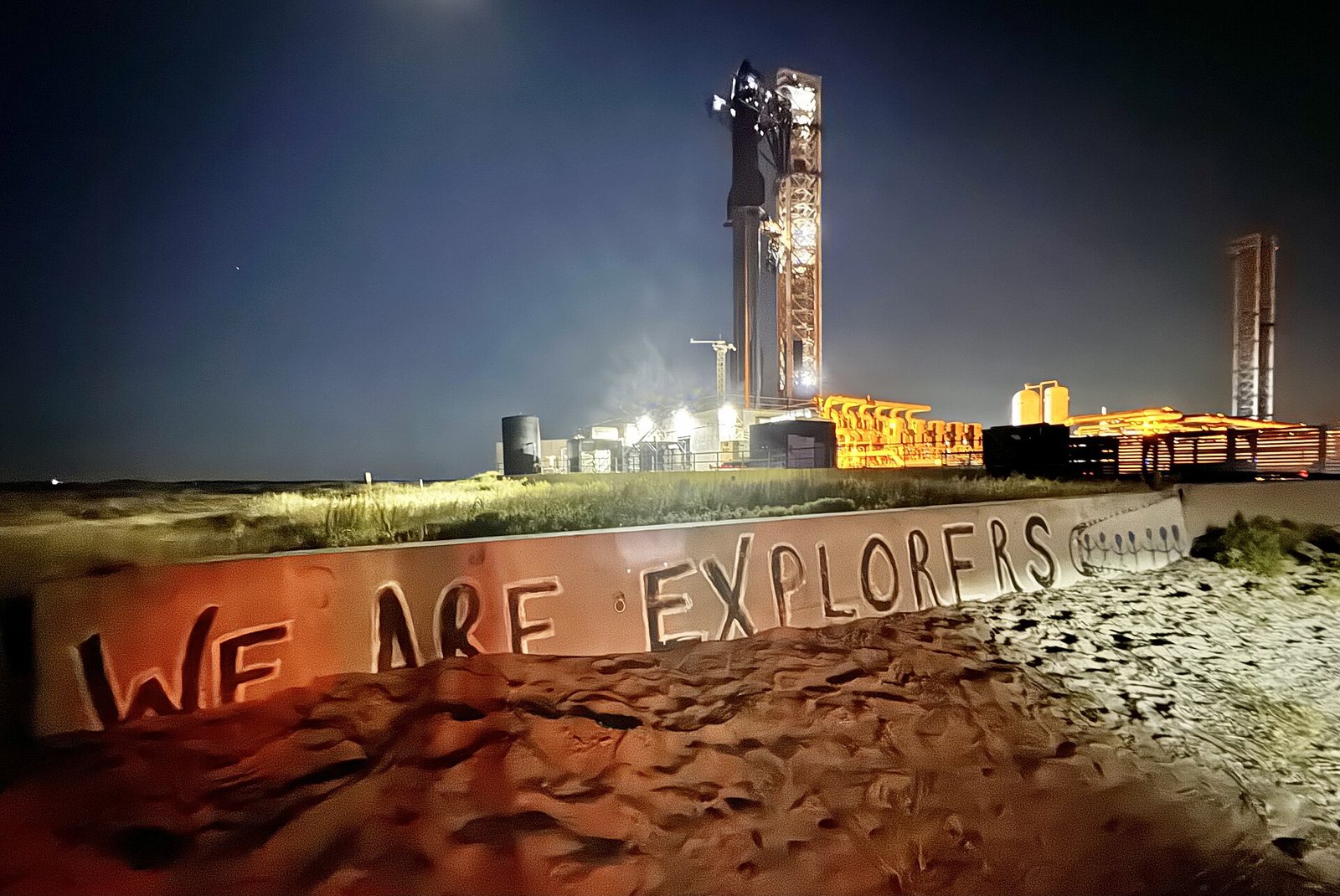
SpaceX’s newest infrastructure project is not a rocket or a launch tower. It is a 32-mile natural gas pipeline through Brevard County, Florida, that the company wants to build so it can turn natural gas into the liquid methane that fuels its Starship rockets at Cape Canaveral.
A SpaceX subsidiary called Coastal Connect Services LLC asked the Florida Public Service Commission in a September 24 filing for permission to build and operate the 16-inch, 32.4-mile pipeline, according to Bloomberg, which reported the proposal on Monday. The line would connect SpaceX facilities to the existing Florida Gas Transmission interstate pipeline, bringing natural gas directly from the regional network to the company’s launch sites.
The chemistry explains the project. Starship’s Raptor engines burn liquid methane and liquid oxygen, and methane is the main component of natural gas. Rather than buy chilled propellant from outside suppliers, SpaceX wants to pipe in the raw gas and liquefy it on site, the same model it is pursuing at its Texas launch base, where a liquefaction facility is part of the plan. Liquid methane is the propellant SpaceX bet on years ago, a choice that now ties its launch business to the same fuel that heats homes and powers generators.
The project is part of a push by SpaceX to control its own fuel supply rather than buy it the way most launch operators do. Gwynne Shotwell, SpaceX’s president, told CNBC in June that the company planned to build pipelines and process its own propellant, and was even looking into drilling its own natural gas. A dedicated line gives the company a steady feed as it tries to raise its launch cadence.
The Florida proposal follows a smaller project in Texas. In June, Reuters reported that SpaceX planned to build an eight-mile pipeline called Starpipe to its Starbase launch site near Brownsville, another step toward feeding the Starship program from sources the company controls. Land records reviewed by Reuters showed SpaceX had signed more than 100 oil and gas leases with Texas property owners since 2023.
The pipeline projects fit a pattern that has defined SpaceX from the start: take over as much of the supply chain as possible. The company builds its own engines, launches its own rockets and now wants to process its own fuel. It is a capital-heavy approach that competitors have rarely attempted, and it helps explain how SpaceX has managed to outpace rivals on the cost of reaching orbit.
The Florida line would serve more than the Starship program. SpaceX has facilities across the Cape Canaveral area, and the pipeline would feed a growing appetite for gas as the company expands both its Falcon and Starship operations. The 16-inch diameter suggests demand beyond what a modest launch schedule requires, according to people who reviewed the filing, a signal that SpaceX expects its Florida operations to grow sharply.
Cape Canaveral is the company’s busiest launch range, shared with NASA and United Launch Alliance, and the site where SpaceX has run its Falcon workhorse for years. Adding Starship operations there would multiply the fuel requirement, which is part of why the company is building fuel infrastructure before the rocket’s Florida cadence has fully ramped up.
The regulatory path is still early. A pipeline of this length through Brevard County will need approvals beyond the state commission, and the project will likely draw scrutiny from landowners and environmental groups along the route. SpaceX has built launch infrastructure at speed before, but a transmission pipeline is a different kind of asset, one that crosses property the company does not own.
The fuel question sits underneath a bigger ambition. SpaceX has said it wants to launch Starship dozens, then hundreds, and eventually thousands of times a year, a cadence that would make the rocket the workhorse for its Starlink satellite network and for missions to the Moon. Every one of those launches needs methane, and buying it from outside suppliers becomes a constraint at that scale.
The company went public in June, which means its capital decisions now run through a different kind of scrutiny. Shareholders can weigh the pipeline against the rest of the balance sheet, and analysts have begun asking how much of the company’s cash should go into energy infrastructure rather than rockets. SpaceX’s answer has been consistent: the fuel is as much a part of the launch system as the engines.
Whether the Florida commission approves the tariff will determine how quickly the line gets built. If it does, SpaceX will have taken another step toward a launch operation that runs on fuel it piped, liquefied and controlled from the wellhead to the pad. It is the kind of vertical integration that looks odd for a space company and entirely normal for the way SpaceX has always operated.



