
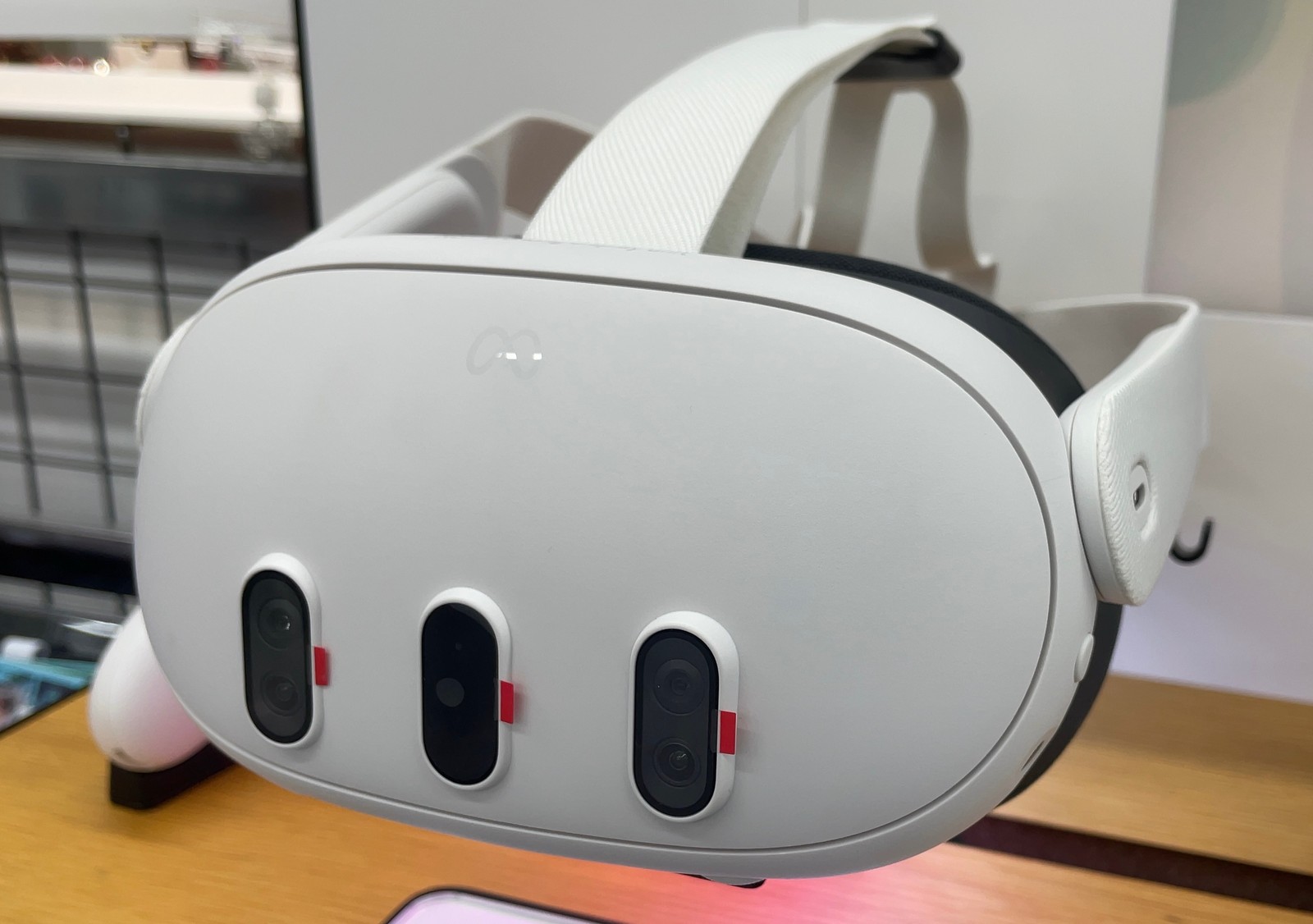
The paperwork moved quietly through the U.S. patent office between June and September. Forty-three American patent properties, filed by Sony over more than a decade, changed hands and landed with Meta Platforms. Neither company has said a word about it.
The transfers, first reported by the Korean outlet ZDNet and flagged by the trade site Road to VR, cover the technology behind virtual, augmented and mixed-reality headsets: the information processing that makes an XR app work, the displays that sit in front of a wearer’s eyes, and the glasses that might one day replace a phone. Sony filed them from 2010 through 2022, the years when it was trying to build the PlayStation VR into something more than a niche.
The 43 U.S. patents are only the first batch. Under a confirmatory assignment the two companies signed in December 2025, the transfer is expected to cover 419 patents worldwide, 180 in the United States and the rest filed in Japan, China, Korea and Europe. In effect, Sony is selling Meta the patent estate of a hardware business it no longer intends to build.
That is the signal the deal sends. Sony was an early believer in consumer VR. It launched PlayStation VR in 2016 and a lighter sequel in 2023, products that sold well enough to keep the category alive without ever turning it into the centerpiece of the company’s gaming business.
PlayStation VR sold more than five million units after its 2016 launch, a respectable total that never matched the scale of Sony’s core console business. The sequel arrived in 2023 to weaker demand, and Sony has spent the years since deciding where the technology belongs. Meta’s Quest, by contrast, became the category’s default, and the company has moved the conversation toward glasses, where its Ray-Ban line has become an unexpected hit. A patent transfer from a weakened rival does not move those markets on its own, but it removes a claimant from the field.
Meta, meanwhile, has bet its future on the category. The company has spent years and tens of billions of dollars on its Quest line of headsets and its Ray-Ban smart glasses, and it has announced a slim pair of Meta VR Glasses due in spring 2027. Buying Sony’s patents does not change that roadmap so much as clear the field: a rival that once built headsets is now handing over the intellectual property it might have used to build more.
The price was not disclosed, and analysts said the sum matters less than the direction. Sony has been narrowing its focus, weighing the licensing of older PlayStation games to outside studios and trimming businesses that do not feed its core of consoles, cameras and content. XR hardware, which required sustained investment against a company far larger than Sony’s gaming division, was a natural candidate for the exit.
The deal also marks another step in a broader reshuffling of the XR market. Apple entered with a premium headset and pulled back from the volume race. Samsung and Google have tried to assemble an Android rival. Meta is the only company still spending heavily on both headsets and glasses, and it is now accumulating the patents of rivals that are stepping back. An attrition that has been visible for years is turning into a consolidation of the underlying technology itself.
For Sony, the practical question is what happens to PlayStation VR. The company has not said it will stop supporting the platform, and the patents sold do not appear to cover the PlayStation VR product line directly. But the transfer makes clear where Sony’s ambition has gone: it is licensing ideas, not betting new money on them.
Sony’s retreat from XR hardware fits a broader tightening. The company has been consolidating around its profitable pillars and has signaled it will license dormant game franchises rather than fund new hardware bets. In that context, selling patents that cost money to maintain and defend, to a buyer that values them, is the kind of quiet transaction that shows up on a balance sheet without ever producing a product announcement.
For Meta, the purchase is cheap insurance. Patents are the currency of hardware wars, and a portfolio that once belonged to a competitor is a set of claims nobody can now file against the Quest or the smart-glasses line. The company did not buy a product. It bought the right to keep building without looking over its shoulder.
Neither side has attached a price to the transaction, and analysts said the value lies less in any single patent than in the removal of a legal obstacle. For years, companies building headsets have treated patent claims as a cost of doing business, and a large portfolio in the hands of an active rival can force licensing fees or litigation. By taking Sony’s portfolio off the table, Meta narrows the number of parties that can demand a cut of its hardware revenue.



