Nevada regulators on Friday approved Tesla, Uber, and Waymo to operate driverless taxis in Las Vegas, a decision that allows the three companies to deploy up to 8,000 robotaxis combined across the city. The approvals, granted on the same day, move autonomous ride-hailing in the United States from pilot programs to something closer to a commercial business.
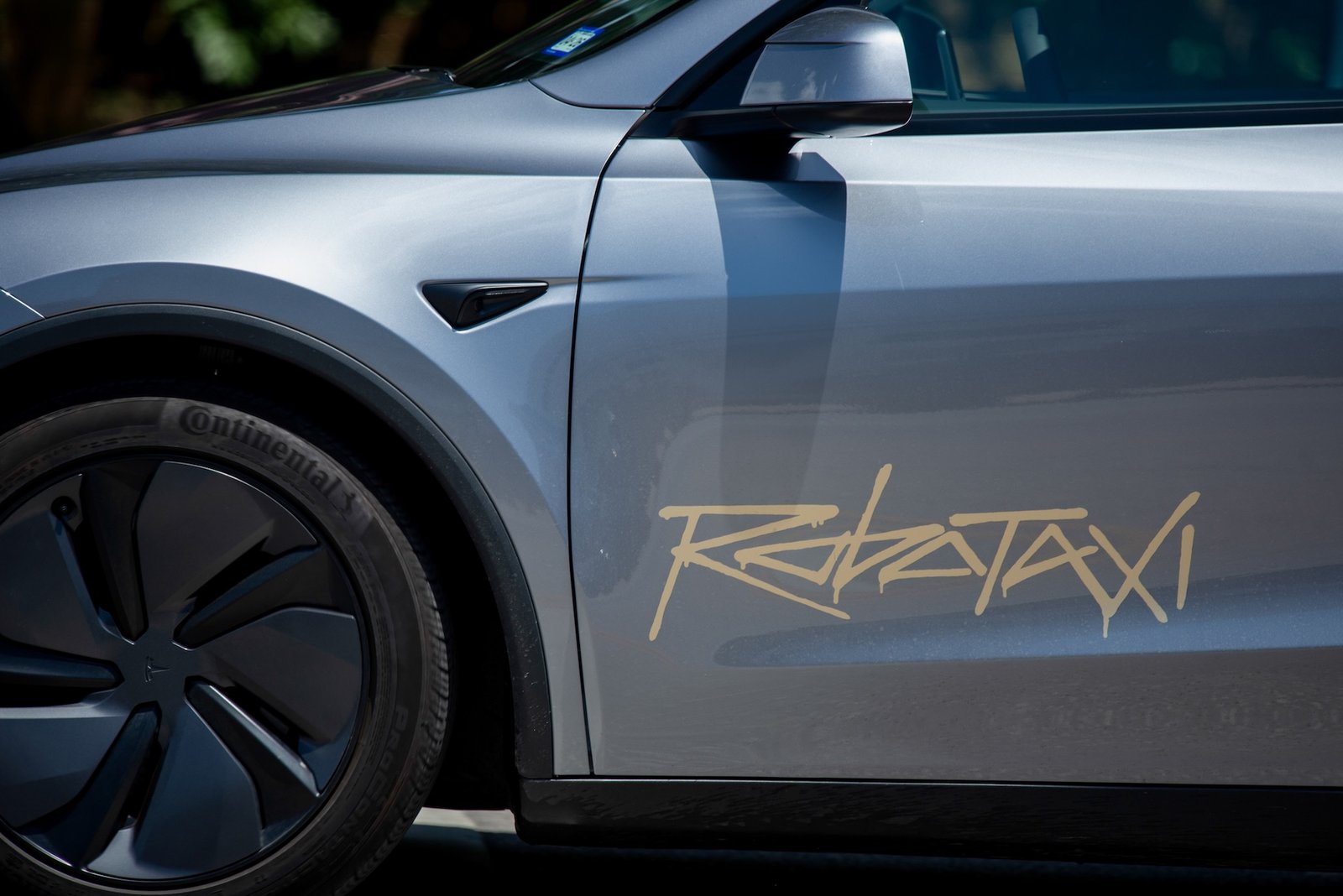
The scale is striking. Tesla plans to put 2,500 of its Cybercab vehicles on the road in the first year, according to people familiar with the company’s plans, a fleet that would make it one of the largest autonomous ride services ever launched at once. Uber, which does not build its own vehicles, is using Nevada as a testing ground for a different model: an aggregator that routes riders to cars operated by multiple autonomous providers, including its partners. Waymo, the Alphabet subsidiary that has been running driverless taxis in several cities for years, rounds out the group with its own fleet.
The simultaneous approval is a first for the industry. None of the three has said when the first cars will carry passengers, and the approvals set a ceiling rather than a schedule. But the decision means regulators have cleared three competitors to operate at scale in the same city, and Las Vegas is set to become the city with the highest density of autonomous vehicles in the country.
Las Vegas has been preparing for this moment. The city’s wide boulevards, predictable traffic patterns, and year-round tourist flow make it a favorable environment for autonomous vehicles, and Nevada has spent more than a decade building a regulatory framework for self-driving technology. The state was among the first to pass laws allowing driverless cars, and it has issued testing permits since the early 2010s. Friday’s decision converts that framework into operating approvals.
The business models behind the three approvals differ sharply. Tesla’s approach is vertical: it builds the cars, writes the software, and would operate the service itself, collecting the full fare. Waymo, which has logged millions of driverless miles in Phoenix, San Francisco, and Los Angeles, brings the most operational experience to Las Vegas and has the strongest record of safely running a commercial service. Uber’s role is the most novel: rather than operating its own fleet, it is building a marketplace that connects riders to whichever autonomous operator is available, taking a cut of each trip.
The Uber model is a bet on the structure of the future industry. If autonomous taxis become a commodity, the value will sit with whoever controls the customer relationship, and Uber’s app already has millions of users. The company has signed agreements with autonomous operators in other markets and has said it wants to be the platform on which all of them run. Nevada gives it a place to prove that the aggregator model can work at scale, with multiple providers competing for the same riders.
The approvals also reflect a change in the politics of autonomous vehicles. The technology has faced resistance in some cities, where unions and safety advocates have raised concerns about accidents and job losses, and several jurisdictions have slowed or blocked expansions. Nevada’s decision suggests that state regulators, at least, are willing to let the market test the technology’s claims. The state’s tourism industry, which depends on moving millions of visitors around a sprawling city, has lobbied for autonomous services as a way to ease congestion and reduce costs.
Safety questions remain central. None of the three companies has published detailed data on how its vehicles will handle Las Vegas’s distinctive conditions, from the density of the Strip to the behavior of tourists crossing streets at night. Waymo has the longest record of driverless operation and the most published safety data; Tesla’s approach, which relies on cameras and neural networks rather than the lidar systems used by its rivals, has drawn skepticism from engineers who question whether vision alone is sufficient. Regulators in Nevada have said they will require the companies to report incidents and will retain the authority to suspend operations.
The economics of the robotaxi business are also unproven. Autonomous ride-hailing has burned through billions of dollars, and none of the major operators has demonstrated that the services can turn a profit at scale. The approvals in Las Vegas will produce the first sustained test of whether the technology can be operated commercially, with real fares, real demand, and real competition among three providers. If the economics work, the model will spread; if they do not, the 8,000-vehicle ceiling will not matter.
For Tesla, the stakes are especially high. The company has built its entire valuation partly on the promise of a robotaxi network, and Chief Executive Elon Musk has said the Cybercab would transform the company from an automaker into a transportation company. The Nevada approval gives Tesla its first real chance to show that the promise is deliverable. The 2,500-vehicle target for the first year is ambitious, and the company has not said when the fleet will reach that size.
The three companies will be competing in the same city, at the same time, for the same riders, in what amounts to a live experiment in the future of urban transportation. Nevada has given them the room to run it, and Las Vegas, a city built on spectacle, is an appropriate stage. The results will be measured in miles driven, incidents reported, and dollars earned, and they will shape how every other state and city approaches autonomous vehicles in the years ahead.