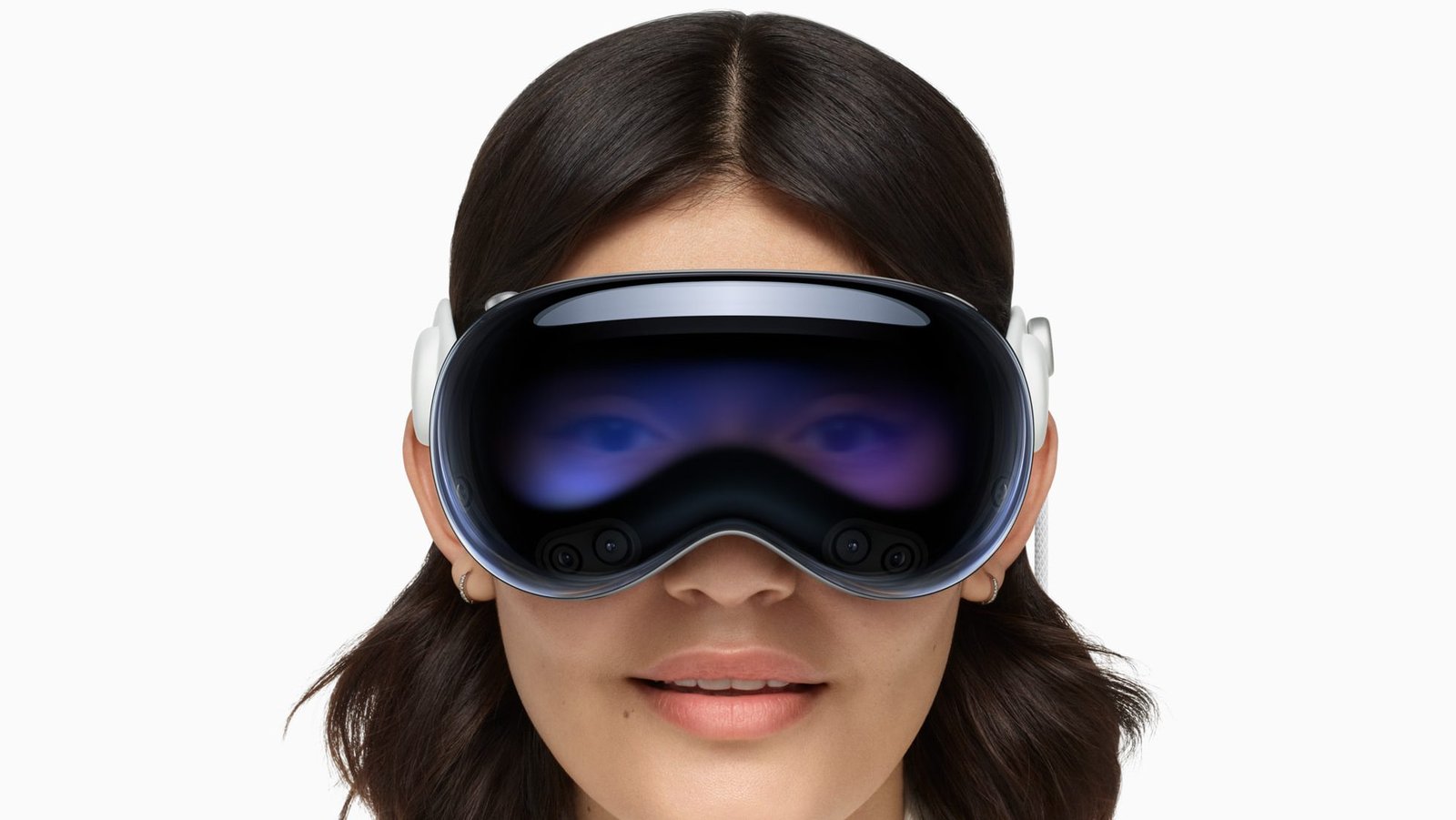
The teams had been shrinking for months, and last week the reductions became explicit. Apple Inc. is eliminating more than 200 positions across the groups working on its Siri assistant and its Vision Pro headset, according to people familiar with the matter, the company’s most visible acknowledgment yet that its AI transition comes with a head count.
The cuts split roughly evenly: about 100 roles from the Vision Pro organization and about 100 from Siri and related software teams, the people said. Within Vision Pro, Apple is largely shutting down the team dedicated to gaming and sharply reducing the unit that produces immersive video content for the headset. Within software, the company is trimming its Intelligent Systems Experience team, which develops AI features across Apple devices, as part of a reorganization tied to the arrival of the new Siri.
The numbers follow an earlier round: in a previous adjustment, Apple cut about 60 roles in its VR team. Taken together, the reductions show a company methodically reallocating resources from products that have not found their audience toward AI features it believes will define the next iPhone cycle. Apple has told affected employees that the Vision Pro and its visionOS software are not being discontinued, and that some of the eliminated roles will be replaced by new positions focused on the updated technology.
The economics explain the Vision Pro decisions. The headset, launched in February 2024 at $3,699, has never been a mass-market product, and its immersive-video pipeline — a signature selling point — is expensive to maintain. Individual immersive episodes can cost millions of dollars to produce, and the audience is small. Apple plans to produce fewer such titles in-house and lean more heavily on third-party creators, according to people familiar with the matter, a retreat from the lavish content program it once built around the device.
The Siri cuts are different in kind. Apple is not retreating from Siri; it is rebuilding it. The new Siri, reported to be rolling out as a revamped assistant built on a new technical architecture, requires different expertise than the old one, and Apple has concluded that some existing roles no longer fit, according to people familiar with the matter. The company said it will eliminate a small number of current positions, reallocate resources and create new jobs supporting the updated assistant.
The timing is telling. Apple’s AI strategy has been under pressure for two years: the company was slower than rivals to ship generative AI features, and its first wave of Apple Intelligence features drew mixed reviews. The reorganization is an attempt to compress that gap, concentrating engineering talent on the assistant and on the hardware that runs it. Resources are flowing toward the next generation of AI features and the devices that showcase them, including a smart-glasses product that Apple has been developing, which will not support immersive video or high-end gaming.
Against that backdrop, the Vision Pro cuts are a bet on a different future. Apple executives have said the headset’s spatial-computing platform remains part of the product lineup, and reports suggest a new Vision Pro model could arrive as early as late 2028. But the company is no longer willing to fund the headset’s ecosystem at the scale it once did. The message to developers and consumers is that spatial computing will have to prove itself with less help from Cupertino.
The restraint is characteristic. Where Meta and Google have announced layoffs in the thousands as they reorient around AI, Apple has moved in increments — 60 roles here, 200 there — and has avoided the broad restructuring rounds its peers have endured. The difference reflects both Apple’s more disciplined cost structure and its habit of keeping personnel moves quiet. Even this week’s news emerged through Bloomberg’s reporting rather than an Apple announcement.
The company’s statement was carefully worded. Apple said it is realigning teams to evolve its business and deliver better experiences for users, that new roles will be created as part of the change, and that a limited number of existing positions will be affected. Employees were told the company would support them through the transition, including opportunities to apply for other roles at Apple. The language is the standard vocabulary of a restructuring, but the scale is real.
For the industry, the cuts are a data point on the cost of the AI transition. Every major platform company is spending heavily on AI and paying for it somewhere else; Apple’s choice has been to pay in Vision Pro’s content ambitions and in Siri’s old architecture rather than in its core iPhone organization. Investors have generally approved: Apple’s AI push, however uneven, has kept its products in the conversation, and its balance sheet remains the strongest in the industry.
The risk is that the reallocation arrives late. Apple’s AI features ship behind rivals, its assistant faces the same commoditization pressure every consumer assistant does, and the Vision Pro retreat concedes ground in a category where Meta has invested aggressively. The company’s answer, people familiar with its thinking say, is that AI quality, not speed, is the advantage it can still build — and that the reorganization puts the right people on that problem.
In the meantime, the human cost is concrete: more than 200 people across two high-profile teams are looking for new roles, internally or outside. Apple’s history suggests most will find them quickly — the company’s engineering talent is still among the most sought-after in Silicon Valley. The reorganization says less about the people than about the priorities. The resources that once built immersive video and maintained the old Siri are now pointed at a different target.