
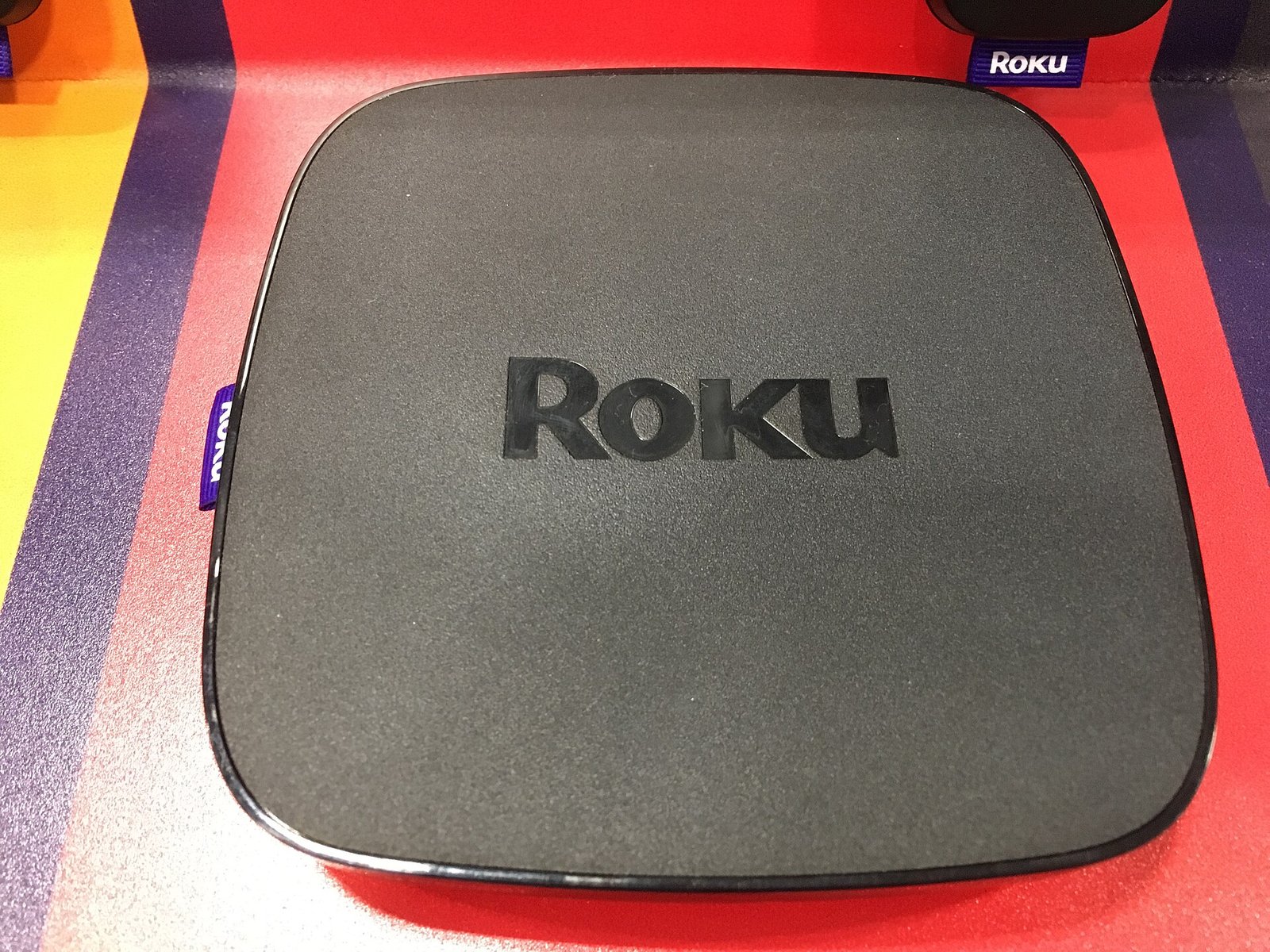
Anthony Wood built a company that sits between the television and the people watching it, and for fifteen years the value of that position came from not owning any of the content that flowed through it. That changed on Nov 6, when Fox completed its $22 billion purchase of Roku, months before the first half of 2027 deadline the companies set when the deal was announced in June. Wood described the mission as unchanged and conceded that the resources and the reach behind it are not.
The logic of the combination is the home screen. Roku’s operating system runs on televisions and streaming devices in more than 100 million households, and that software governs what appears when the set turns on: which apps are promoted, which shows are surfaced, which advertisements run before the first frame of a program. Fox owns news, sports and broadcast networks, the live programming that still assembles large simultaneous audiences and the advertising that comes with them. Buying Roku delivers the interface, the ad inventory and the viewing data in a single transaction.
By viewership share the combined company becomes the third-largest television business in the United States. The statistic is less interesting than the mechanism behind it. Broadcasters have spent a decade watching their distribution migrate into platforms owned by technology companies, and the fees they pay to be carried have compressed their margins. Owning the platform reverses the relationship. Fox becomes distributor as well as supplier, and the negotiation over carriage turns into an internal transfer.
The timing reflects a second shift. Advertising for streaming is increasingly bought and sold on the same platforms that serve the programming, which means the companies holding both the content and the interface can package them for buyers. Roku built its advertising business on exactly that arrangement, and its scale in the United States represents one of the few independent positions in a market otherwise divided between Google and Amazon.
That independence is what Fox now has to protect. Roku’s value to other content owners, including studios that compete directly with Fox, depends on the platform treating their apps and their advertising fairly. A platform owned by a broadcaster has an obvious incentive to favor its owner’s programming, and the rivals who pay for placement have alternatives: Google’s television software, Amazon’s devices, the operating systems Samsung and LG build into their sets. The neutrality that made Roku worth $22 billion is now a promise Fox has to keep while owning the thing it would gain from breaking.
The antitrust record belongs in the account. The Justice Department issued a second request for information during its review, a step that lengthens an investigation and signals that the agency wanted more than the initial filing provided. The deal closed anyway, and ahead of schedule, which suggests the review concluded without a challenge. The second request still identifies the theory of harm regulators considered: control of the distribution layer by a company that also produces the content moving through it.
Integration is the other risk, and it is cultural before it is financial. Roku is a software company that ships updates weekly and measures itself on engagement and hours streamed. Fox is a media company that measures itself on ratings and advertising rates and has spent decades managing relationships with distributors it now owns. The two have to share a product roadmap, a data policy and an advertising sales force. The record of media companies buying technology platforms is thin on examples of the platform surviving intact.
The price is the number that will be judged. Twenty-two billion dollars for a company whose revenue comes largely from advertising and distribution fees is a bet that connected television advertising keeps growing and that Roku’s share of it holds through the integration. Fox paid a premium for a business whose profits are thinner than a broadcaster’s, in a category where the largest competitors have deeper engineering benches and their own hardware.
Wood’s framing, that the mission stays and the resources change, is what founders say when the thing they built becomes a component of something larger. It is also accurate. Roku’s users will see more promotion of Fox properties on the home screen and, if the strategy works, more content worth watching behind them. What they will not see is the negotiation that determines how much of the platform’s inventory is reserved for the parent company and how much remains available to everyone else.
The test arrives with the next round of carriage talks, when studios that buy Roku advertising and depend on Roku distribution learn what the platform charges them now that it belongs to a competitor. If the terms hold, Fox has acquired a distribution business with a content business attached, and the third-place viewership share understates what it controls. If they do not, it has bought an audience of 100 million households that is already reaching for another remote, and the $22 billion becomes the price of learning where the boundary sits between owning a platform and being trusted by the people who use it.



