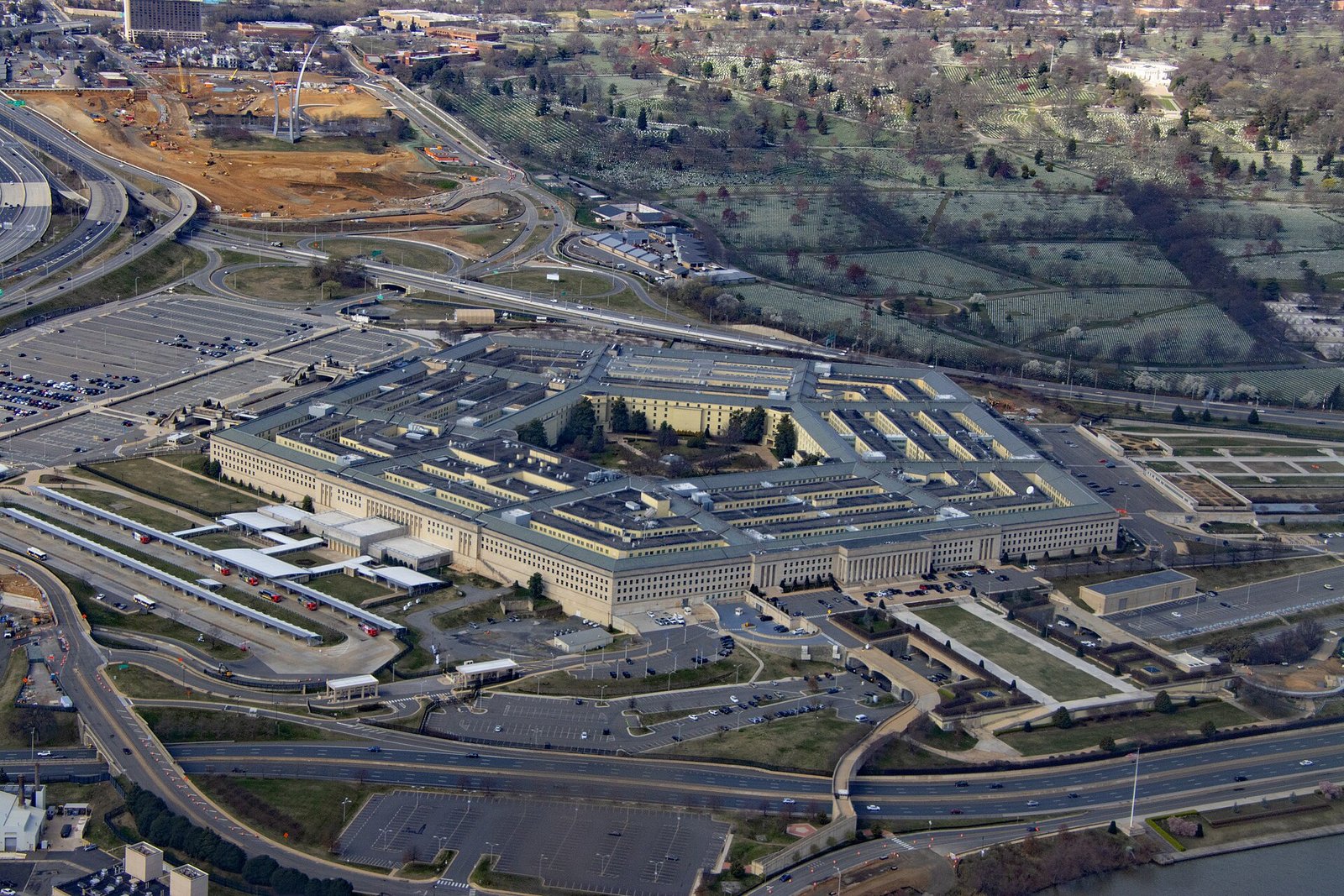
The Department of Defense has a habit of buying capacity it cannot order. Battery material is made in plants that take years to permit and cost more than a startup can raise against a process nobody has run at scale, and the department cannot requisition a supply chain the way it requisitions ammunition. So it lends. On Nov 6 the Pentagon gave conditional approval to a $250 million loan for 6K, a company that turns manufacturing scrap and raw feedstock into material that goes into batteries.
The condition matters as much as the amount. A conditional approval is a commitment with a checklist attached, and the checklist is where a program office protects itself from a technology that works on a pilot line and fails in a plant. Disbursement depends on the company meeting terms the department has not published in detail; programs of this kind usually condition money on matching private capital, engineering reviews and evidence that a customer wants the output.
6K’s process is the reason for the interest. The company uses a microwave plasma reactor to convert feedstock directly into battery-grade material, skipping steps that conventional production treats as necessary. If that shortcut holds at volume, it changes two things the Pentagon cares about: where the material is made and what it costs to make it.
Where it is made is the larger point. Processing of battery material sits overwhelmingly in China, and the department’s concern is not price but interruption. A supply chain that can be cut off at a customs office is a supply chain that cannot support a war plan, and the loan is an attempt to buy domestic tonnage before it is needed rather than after.
The ranking inside the department is worth stating plainly. Officials have put battery materials behind ammunition and rare earths in the queue for this kind of support. That ordering is a budget statement about what a conflict consumes first, and it says the material is being funded as insurance rather than as an emergency.
Loans have advantages over grants for a buyer in the department’s position. A loan is repaid, so the capital can be lent again, and the repayment obligation imposes a discipline a grant does not: someone has to underwrite a business that sells material at a price customers will pay. It also keeps the government from picking a winner outright, which is useful when several companies are competing for the same program money.
The disadvantages are equally real. A company that has taken a large conditional loan has one creditor with unusual bargaining power, and the terms will shape who it can sell to, where it can site a plant, and what happens if the technology underperforms. Firms in this position often learn that government capital is cheap in rate and expensive in autonomy.
Size sets another constraint. A first commercial line for a process this new runs into the hundreds of millions, so the department’s money covers part of a build that still needs private capital, and private capital prices the risk the government has declined to carry alone.
The technology question is the one the loan cannot settle. Plasma processing is energy-intensive, and the economics depend on electricity prices that vary by region and on reactor uptime that is hard to guarantee at industrial scale. A pilot line producing a tonne a day demonstrates chemistry. A plant producing thousands of tonnes a year demonstrates engineering, and the gap between those two is where most advanced-materials companies have failed.
For buyers, the useful signal is not the loan but what travels with it. An offtake agreement converts a plant into a supply relationship, and a supply relationship is what a battery maker or a defense prime can put in a qualification file. Without one, the loan finances capacity that has to find a customer afterwards.
The counterargument is that this is industrial policy under a different name, and that the department is poorly equipped to judge which process wins. Officials do not run factories, and the record of government-backed materials ventures includes expensive failures next to genuine successes. A loan forgiven when a company misses its targets is a grant with extra steps, and the conditions are only as good as the willingness to enforce them.
That risk is real and it is priced into the design. The department has been moving toward target-based disbursement across its critical-minerals programs, precisely because the earlier model, in which money arrived before evidence, produced plants that never ran.
What the approval does not do is shorten permitting, secure a customer, or train the operators a plant needs. Those are the constraints that decide whether a loan becomes tonnage, and none of them are in the department’s gift.
The open question is whether the material is qualified in time for the demand the department projects, or whether the capacity arrives after the battery programs it was meant to supply have signed contracts elsewhere. A loan buys optionality. It does not buy a schedule.