
Siemens Energy will pay a dividend of €2.30 a share for fiscal 2026, more than triple the €0.70 it paid a year earlier, and buy back as much as €9 billion of stock on top of a program already running. The numbers arrived with full-year results on Nov. 11, and investors marked the shares up about 7.8% in Frankfurt.
The operating record behind them is straightforward. Revenue reached €44.2 billion for the year to Sept. 30, up 15.5% on a comparable basis. Profit margin before special items more than doubled to 12.4% from 6.0%. Net income rose to €4.13 billion from €1.69 billion, and pre-tax free cash flow reached €8.8 billion.
The order book is the part management wants shareholders to focus on. Backlog hit a record €164 billion at the end of September: about €74 billion at Gas Services, €52 billion at Grid Technologies, €31 billion at Siemens Gamesa and €8 billion at Transformation of Industry. The company says roughly 85% of fiscal 2027 revenue is already covered by it, and that about €15 billion of the total, or 9.1%, is tied to data centres.
That 9.1% is the number the market has been chasing. Gas turbines and grid equipment have become bottleneck goods in the buildout of AI computing, and the companies that make them can price accordingly. Grid Technologies, which supplies transformers, switchgear and high-voltage direct-current links, passed a 20% margin in the fourth quarter on revenue up 36.3%. Gas Services nearly doubled its margin on revenue up 31.2%.
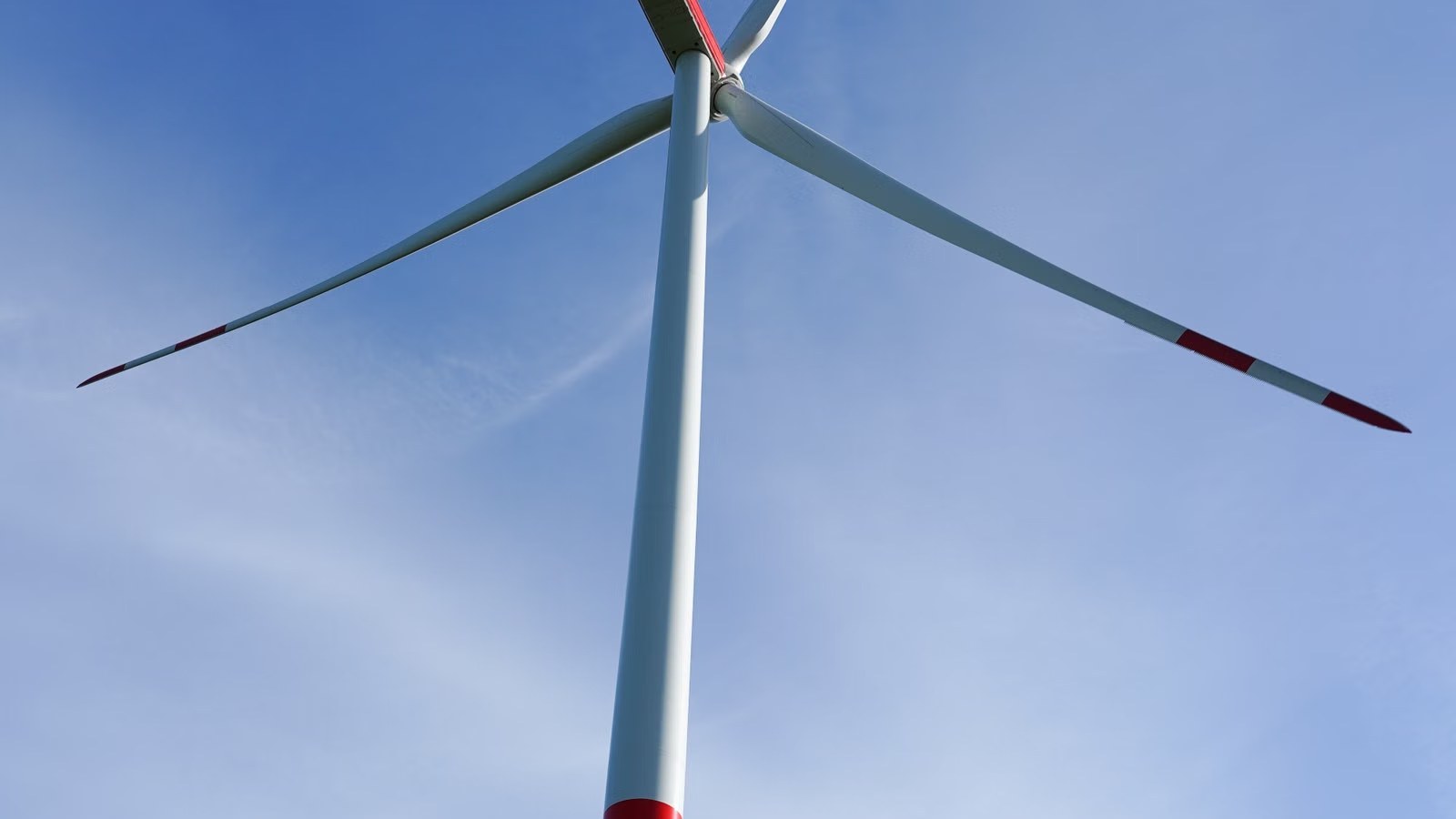
Siemens Gamesa, the wind business that has been the company’s problem child since the spin-off from Siemens AG in 2020, made a profit before special items for the second quarter running and broke even for the year, at a margin of 0.1%. Its free cash flow was minus €1.6 billion.
The guidance is where the argument starts. For fiscal 2027 the company projected comparable revenue growth of 14% to 16%, a margin before special items of 14% to 16%, and net income of about €5 billion. Analysts had expected closer to €5.5 billion. The margin target is a level management had previously planned to reach in fiscal 2028.
Investors looked past the earnings shortfall for a reason. A company that pulls a margin target forward by a year is telling the market that pricing and mix are stronger than it assumed, and that the constraint on growth is factory capacity rather than demand. Revenue guidance of 14% to 16% on a backlog that already covers most of the year supports that reading.
There is a cost inside the guide. Siemens Energy expects about €0.7 billion of special items in fiscal 2027, mostly for the transition to a new corporate name and for carving out Transformation of Industry, its industrial business. The company is dropping the Siemens brand, which it licenses from its former parent, and will operate as Omterra. It plans to bring a co-investor into Transformation of Industry and keep a minority stake.
Transformation of Industry was the one division whose margin fell last year, on revenue down 2.9%, which management attributed partly to disruption in the Middle East. Deconsolidating it removes a drag on the group margin and removes revenue at the same time, which is why the 2030 targets are stated on a different base.
Those targets are ambitious: a margin before special items of 20% to 22% and revenue above €70 billion by fiscal 2030, which implies compound growth of 12% to 14%. The 2030 margin figure excludes the brand fee that the 2027 guide includes, a distinction that flatters the later number by a small amount.
The backlog carries its own risk, and it is a timing risk rather than a demand risk. Equipment that sits in a backlog for three years is exposed to wage settlements, copper and specialised steel, and to the penalties written into fixed-price contracts. Siemens Gamesa’s recent history is the cautionary version of that story: orders taken at prices that could not cover the cost of building the turbines.
Grid capacity may prove the harder constraint. Transformer production is a craft business with long lead times and a limited number of qualified plants, and the same shortage that gives the company pricing power also caps how fast it can convert orders into revenue. Adding capacity takes years, and the customers who are waiting are the ones building data centres.
The gas side has a similar shape. Turbine orders from utilities and from data-centre developers have been strong enough that delivery slots are the product being sold. That works while electricity demand forecasts keep rising. It becomes a problem if a wave of projects is cancelled after the slots have been reserved, because the manufacturer has already committed to the supply chain.
What the results do not settle is how much of the €15 billion of data-centre backlog converts at the margins now being guided. Equipment sold to a hyperscaler is a large, negotiated order with a sophisticated buyer, and the pricing on those deals tends to be thinner than on a utility contract signed after a blackout scare. The mix inside the backlog will decide whether 16% becomes 18% or stalls.
For now the company has done what investors asked: it tripled the dividend, authorised a further €9 billion of buybacks, and put a date on a margin it had described only as a later ambition. The open question is whether the equipment shortage that produced these numbers lasts long enough for the new factories to be built, or ends first, leaving the capacity and the backlog to compete on price.



