SpaceX begins its IPO roadshow this week with a valuation target that would make it the largest company ever to debut on U.S. markets, and two of the messiest details of the offering have nothing to do with rockets. The first is water. The second is what SpaceX thinks its bankers should be paid. Both are now part of the public conversation as the company prepares to sell roughly $75 billion of stock at an expected price of $135 a share, under the ticker SPCX.
The offering mechanics are enormous. SpaceX plans to sell 555,555,555 Class A shares, with an option for underwriters to purchase up to 83,333,333 additional shares for over-allotment coverage, according to prospectus materials reviewed by analysts. The company is targeting a valuation of about $2 trillion, a figure that would make its market value comparable to the largest companies on earth. Dual-class stock keeps control with Elon Musk: Class B shares carry ten votes each, and Class B holders can elect a majority of the board while any Class B shares remain outstanding.
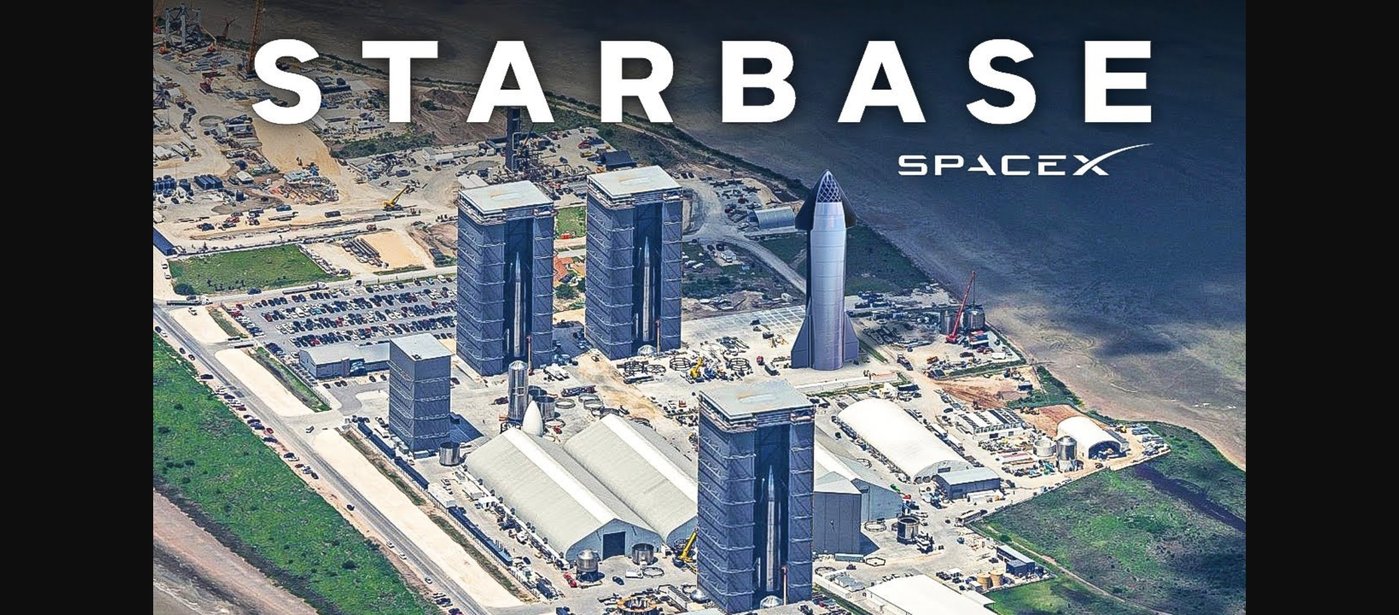
Water has become a formal risk factor. The IPO filing flags water access as a critical risk to operations, according to press coverage of the documentation, and the dispute in question is not abstract. At SpaceX’s Starbase facility in Boca Chica, Texas, the company’s expansion plans have collided with local water supply: launch operations require massive volumes of water for deluge systems and cooling, and the surrounding region is arid and already contested. Reports this spring described SpaceX building a water pipeline to Starbase on terms that require nearby residents to evacuate for launches and waive legal rights, arrangements that have stirred opposition from the community and drawn scrutiny from regulators.
The financial stakes are concrete. A launch site without assured water cannot support the cadence of flights that Starship’s economics depend on, and the company’s own prospectus lists water alongside power and AI processors as dependencies of its growth plans. The same filing sketches an ambition of stunning scope: a total addressable market of $28.5 trillion, with $26.5 trillion attributed to artificial intelligence, the orbital-compute vision in which SpaceX would operate data centers in space powered by its own launch capability.
The fee negotiation is a separate fight, fought quietly. SpaceX has been pressing its underwriters to accept fees below 0.75 percent of the offering, according to people familiar with the matter, an aggressive target in a business where standard fees for large deals typically run several times that level. Analysts following the deal noted that a spread in the range of 0.7 percent would be among the lowest ever paid on an offering of this size, a reflection of both SpaceX’s pricing power and the prestige of being on the ticket. The banks are expected to accept the terms; the volume at stake makes even a thin spread a substantial payday.
The two disputes share a common root: SpaceX is big enough to set its own terms. The company does not need the capital markets as much as it wants them, and it has shown no hesitation about extracting concessions from suppliers, regulators or banks. Investors buying into the offering are also buying into that posture, since the same controlling structure that lets Musk negotiate hard on fees leaves public shareholders with little formal voice in how the company is run.
The water issue is the more serious risk for the long term. Launch operations at Starbase have expanded for years despite unresolved environmental reviews and community tensions, and the company has argued that its presence is an economic engine for the region. But a fundamental input like water cannot be negotiated away. If the pipeline deal or the underlying water rights face extended legal challenges, the company’s launch cadence, and with it the valuation story, takes a direct hit. Analysts who follow the offering have said the risk is one of timing rather than existence: SpaceX will eventually secure the water it needs, but eventual is not the same as this quarter.
The AI component of the valuation adds to the pressure. The $26.5 trillion market the company claims for orbital compute is not revenue, and analysts have been quick to note that a total addressable market is a ceiling, not a forecast. What the AI framing does do is explain why a rocket company is worth $2 trillion: because the market is pricing SpaceX as an infrastructure provider for the AI buildout, with launch capability as the moat. That story depends on scale, and scale depends on Starbase, and Starbase depends on water.
For the banks, the fee fight is an omen of a broader squeeze. Investment banks have competed aggressively for a handful of mega-listings this season, and SpaceX, Anthropic and OpenAI have all extracted favorable terms by playing the banks against one another. The traditional economics of underwriting, where fees compensate for distribution risk, have been inverted by deals so large that the banks will do almost anything to be named on the cover.
None of this has slowed the offering. The roadshow starts this week and the debut is scheduled for next week, with investors lining up for an allocation. But the story of the listing, the part that will be studied in finance textbooks, is not the rocket math. It is the company that told the most powerful banks in the world what they would be paid, and the water table that decided whether the rockets could fly.