SEATTLE — On the Build 2026 stage, a Microsoft engineer handed a new reasoning model a 40,000-line codebase and asked it to find a memory leak, explain the cause in plain English, and write the regression test that would catch the bug again. The model answered in under a minute. The crowd applauded. Executives on stage did not dwell on one detail: this model was built by Microsoft, not by OpenAI.
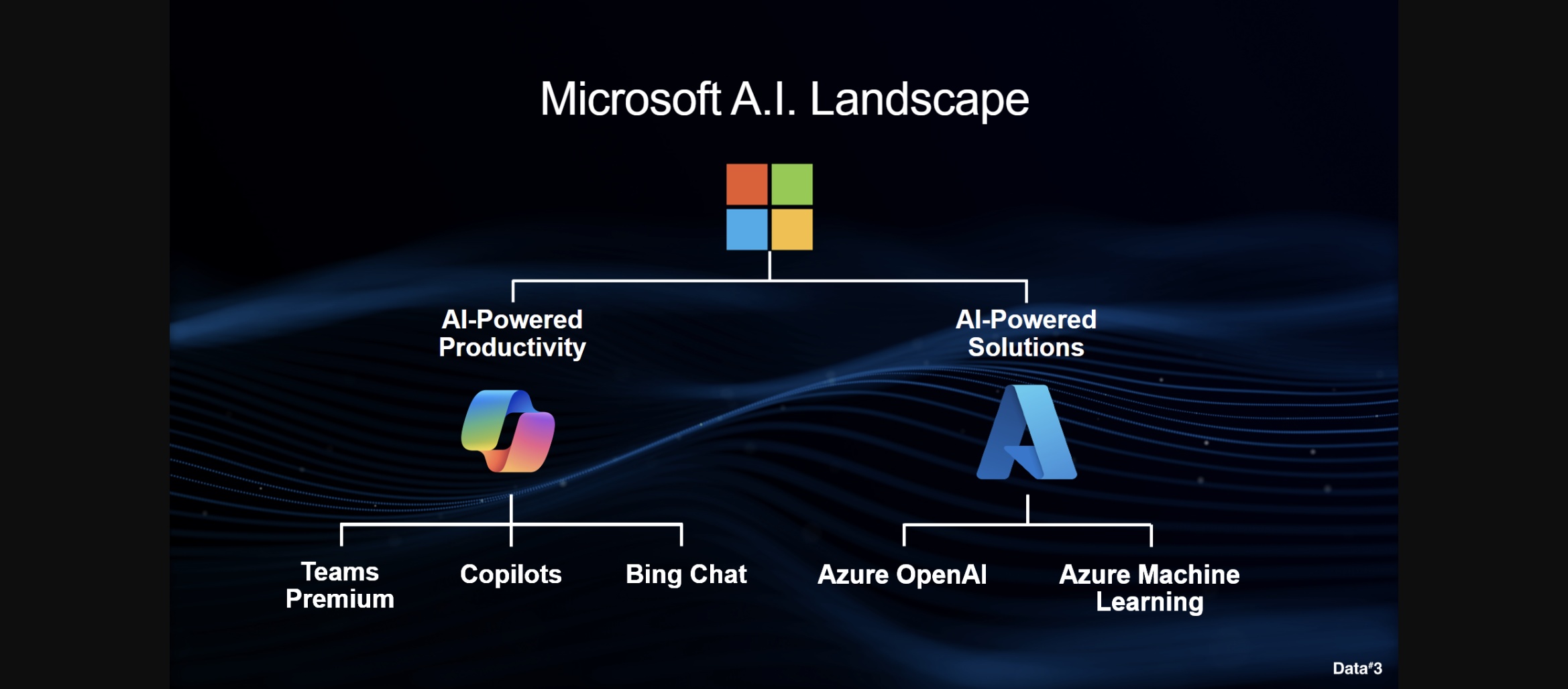
The company has released seven in-house AI models in the weeks since its developer conference, according to people familiar with the rollout. The lineup includes Microsoft’s first advanced reasoning model, built to run directly against OpenAI’s o-series, along with code-generation models for developers and several smaller models sized for the agent products the company unveiled this week, including Scout and Project Solara.
For years Microsoft’s AI strategy ran on a simple trade. It poured capital and Azure capacity into OpenAI, and OpenAI supplied the frontier models that powered the company’s Copilot products. That arrangement made Microsoft the largest investor in the most valuable AI startup on earth and handed it access to frontier capabilities without the cost of building them itself.
The seven models change that arithmetic. Microsoft is no longer only a patron and a reseller; it is now a builder with a full shelf of models of its own. “Microsoft wants to be the company selling models to its customers, not the company reselling someone else’s,” said one analyst who follows the cloud software market.
The shift puts direct pressure on OpenAI’s valuation story. If the customer that supplies a large share of its revenue begins producing frontier-grade models itself, the question for investors in OpenAI’s latest private rounds gets harder: where is the moat? People familiar with the matter say Microsoft’s internal messaging has been careful to describe the in-house work as complementary rather than competitive. In public, executives insist the company remains committed to OpenAI and will keep offering OpenAI models on Azure for as long as customers want them.
Customers, though, hear the subtext. Enterprise technology buyers have spent two years worrying about dependence on a single AI supplier. Microsoft’s new lineup gives them a way to run Copilot on models owned by the same company that writes the software around them, with no third party in the middle. For procurement teams, that simplifies pricing, compliance, and data-handling conversations.
The reasoning model is the sharpest edge. OpenAI has owned the market for step-by-step thinking models since it released its o-series line, and enterprises pay a premium for them. Microsoft’s entry into that category, bundled through Azure and Microsoft 365, puts pricing pressure on the entire reasoning tier. Analysts said the model appears built for exactly the workloads enterprise customers already buy: document analysis, audit trails, agent planning, and software engineering.
The smaller models matter for a different reason. Scout, the persistent assistant Microsoft positioned this week as the front door to its agent ecosystem, and Project Solara, the operating system designed for standalone AI devices, both need cheap, fast models that can run close to the user. Microsoft built those in-house rather than paying per token to run OpenAI models inside every agent session, a cost decision that analysts said could reshape the economics of its commercial cloud.
None of this is a clean break. Microsoft remains OpenAI’s biggest financial backer, and OpenAI remains the model provider behind a large share of Microsoft’s Copilot revenue. The relationship has survived earlier friction, including the 2024 reorganization of their compute partnership. People familiar with the companies’ current talks say both sides are now negotiating as much as cooperating, with OpenAI seeking more direct enterprise sales and Microsoft guarding its distribution.
The market reaction so far has been muted in both directions. OpenAI’s private share trades, which have been brisk among large funds, did not move sharply on the news, according to people who track the secondary market. Microsoft’s stock was flat in the days after the models were disclosed. Investors appear to be waiting for evidence that the in-house models can match OpenAI on quality rather than simply on price.
The rollout also signals a shift in how Microsoft intends to make money from AI. Until now, the company’s AI revenue has largely meant selling access to other people’s models, with thin margins and heavy capital costs. Owned models change the mix: Microsoft keeps the margin on every token its models generate, and it controls the roadmap, free to ship features on its own schedule rather than waiting on a partner’s release cycle. Analysts said that margin shift, more than any product demo, is the reason the company pushed seven models out the door in a single quarter.
The seven models also answer a question Microsoft has been asked since the beginning of the OpenAI deal: what happens if the partnership ends? The company now has a credible answer. It owns the models, the infrastructure to run them, and the software distribution to sell them. Whether the answer is also a good one for OpenAI’s shareholders is a separate matter.
On stage in Seattle, the demo was short and the applause polite. The real test runs over the next year, inside enterprise contracts, where customers will decide whether Microsoft’s own models are good enough to stand in for the ones it once borrowed.