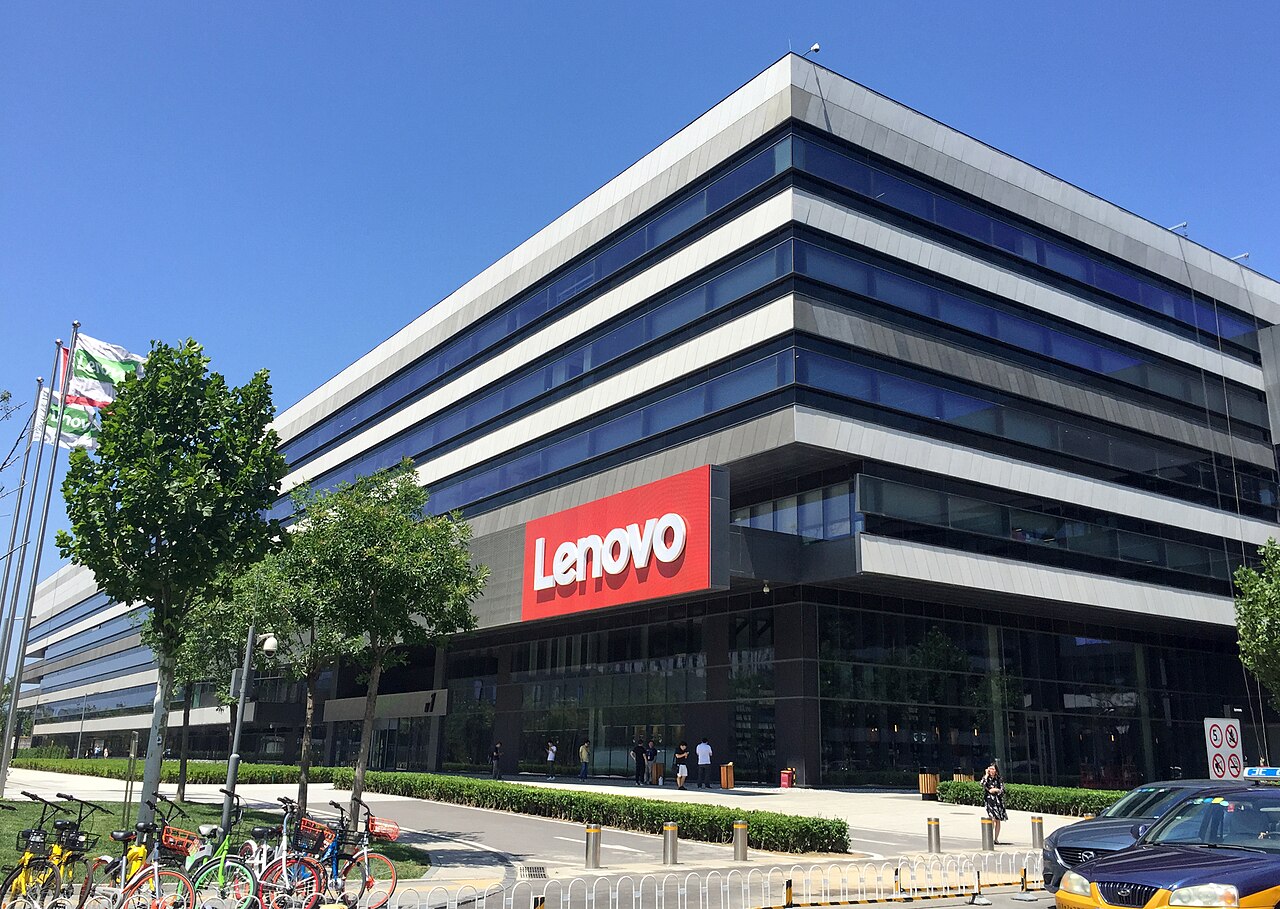
HONG KONG—The notice went out to Lenovo’s channel partners this week: from July, prices across the company’s product line would rise by about 15%, a jump the PC maker blamed on memory components whose prices have more than quadrupled in a year.
The increase, reported by Chinese media and confirmed by people familiar with the matter, covers the full portfolio, from laptops and desktops to servers. It follows an earlier round in March, when Lenovo raised retail prices on some models by more than 1,000 yuan, roughly $140. The July move is broader and, according to the company’s messaging to partners, reflects costs that are still climbing.
The culprit is memory. Spot prices for DRAM and NAND flash have risen more than 300% cumulatively from their lows, according to data cited in the reports, and the average price of a standard DDR4 8-gigabit chip reached $20 in May, the highest level since market researcher TrendForce began tracking the category. Some grades of DDR4 have risen as much as 369% from their 2025 lows.
The cause sits at the intersection of AI and basic economics. Memory makers, led by SK Hynix, Samsung and Micron, have shifted production capacity to high-bandwidth memory, the stacked chips that fetch premium prices from AI accelerator makers. HBM uses the same wafer capacity as conventional DRAM but sells for many times more, and manufacturers have rationally chased the higher margin. The result is a shortage of the commodity memory that laptops and servers actually use.
Data centers make it worse. Servers absorb roughly 70% of global memory output, and the AI buildout has driven server demand up even as consumer electronics stagnate. New fab capacity from the memory makers is not expected to arrive in volume until 2027 at the earliest, which means the squeeze has a long runway.
The industry is passing the costs through. Lenovo’s roughly 15% increase sits in the middle of a range of hikes announced across the PC industry, with server pricing reportedly rising 20% to 40% as memory costs eat into margins that were already thin. The increases echo the memory shortage of 2017-2018, when DRAM prices tripled and PC prices rose for the first time in years, though the current cycle is amplified by the AI demand that did not exist then.
The market’s reaction was immediate. Lenovo’s shares fell 9.38% on the day to close at HK$23, their sharpest drop in months. The decline is striking because the stock had been one of the year’s biggest gainers, up about 146% since January on enthusiasm for AI-enabled PCs and the company’s server business. Investors who had bid up the shares on the AI story balked at the input-cost reality.
The tension is fundamental to the PC industry this year. Manufacturers are betting that AI PCs, machines with built-in neural processing units, will revive a market that has been flat for years. But the components those machines need, especially memory, are the same components being rationed, and the AI PC premium is being eaten by memory costs before any profit reaches the makers.
Consumers will feel the pinch. A laptop that cost 5,000 yuan in June will cost about 5,750 yuan in July, and the increases compound across the supply chain: memory makers to module vendors, module vendors to OEMs, OEMs to retailers. Analysts expect other PC brands, including Dell and HP, to announce similar increases, and some have already shortened the validity of their price quotes to as little as two weeks.
There are signs the pain will last. Memory executives have said prices are unlikely to return to last year’s levels even after new capacity arrives, arguing that AI demand will keep absorbing supply. The memory companies, for their part, are enjoying record profits, and their shareholders have little incentive to push for a return to cheap chips.
For Lenovo, the calculus is about protecting margins in a business where margins are thin. The company’s hardware business makes single-digit percentage profits, and a 300% rise in a component that accounts for a fifth of a laptop’s cost cannot be absorbed. Passing it through, even at the cost of a 9% stock drop, is the only option that keeps the business solvent.
The increases arrive as the industry’s economics shift beneath it. PC makers spent years competing on price, subsidizing hardware to grow share. A memory shortage that raises component costs across the board punishes the most aggressive discounters most, and analysts expect the weakest brands to cede ground as the cycle grinds on. Lenovo, with the scale to negotiate and the cash to buffer the blow, is better positioned than most.
The longer-term question is demand. Every previous memory cycle ended when buyers stopped paying, and the current one will test whether AI’s appetite can sustain prices that have already made PCs measurably more expensive. For now, the answer is written on price tags: the AI boom has arrived in the consumer market, and it carries a markup.