The deal came together in weeks, and it moved the way SpaceX does: fast, in-house, and with the company’s own stock as the currency. SpaceX said Tuesday it agreed to acquire Cursor, the maker of one of the most popular AI coding assistants, in an all-stock transaction valued at about $60 billion. The deal is expected to close in the third quarter.
The purchase had been expected to land elsewhere. Cursor’s parent company, Anysphere, was in the middle of raising $2 billion at a $50 billion valuation, with Andreessen Horowitz, Thrive Capital and NVIDIA among the investors in the round, according to people familiar with the matter. SpaceX’s offer, made in stock at a premium, short-circuited the fundraise and the startup’s plans.
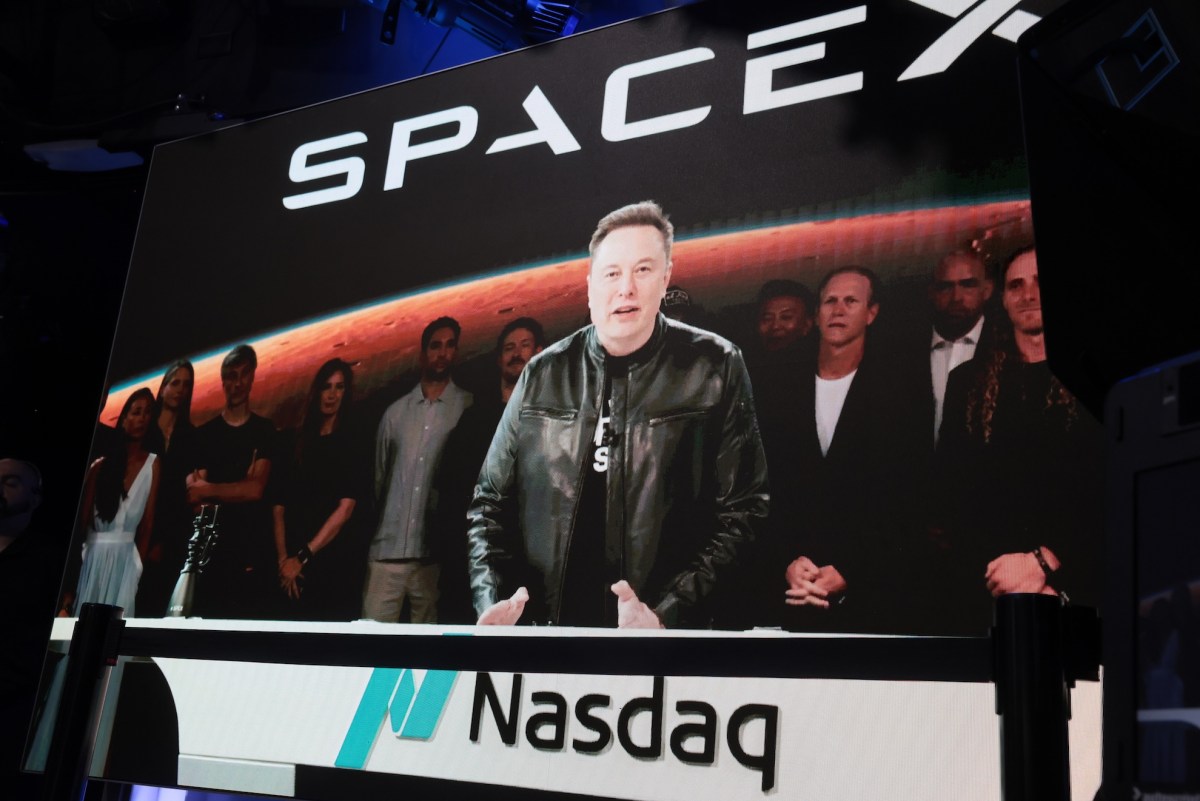
For SpaceX, the deal is the first concrete deployment of a promise its chief executive made to investors during the roadshow for the company’s public listing: that AI represents a $26 trillion addressable market. The company listed this month at a valuation of roughly $1.8 trillion, and its chief executive has described AI as the next business after rockets and satellites. The Cursor deal is the opening move of that strategy.
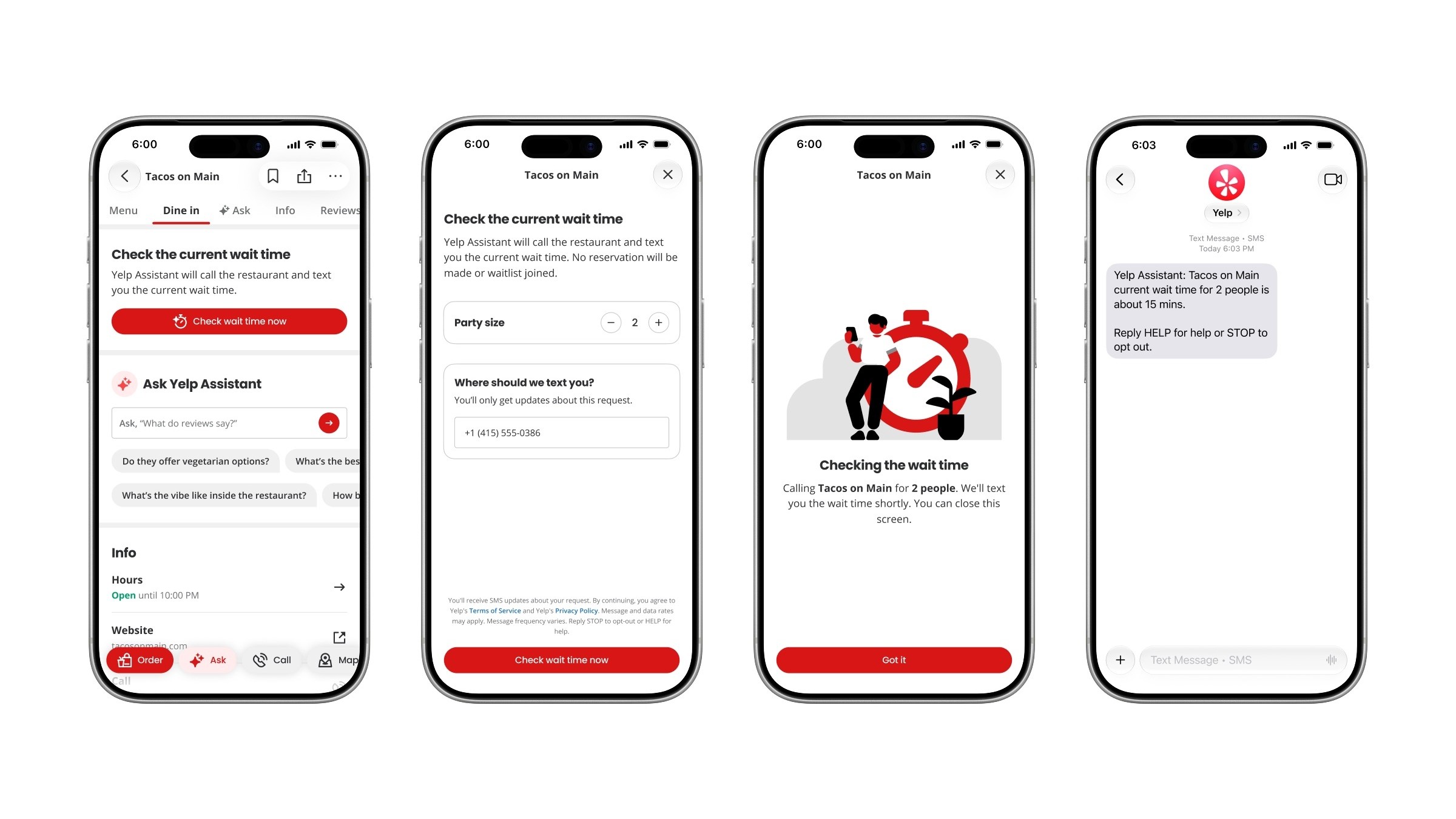
Cursor has become a fixture of the modern developer’s toolkit. The editor, built on an open-source foundation, is known for its ability to complete, refactor and generate code with unusual fluency, and it has won a devoted following among startups and AI-native companies. Anysphere’s revenue has grown quickly, reaching hundreds of millions of dollars in annualized run rate, according to people familiar with the matter, and the startup has been at the center of the boom in AI coding tools.
The deal folds a software startup into a company whose own AI operations are in flux. TechCrunch reported that SpaceX’s AI division is being reorganized after a controversy in which a feature allowed users to generate inappropriate images involving children, an episode that prompted an internal review and management changes. The reorganization was underway before the Cursor talks, and how the coding team will fit into the new structure is not yet clear, according to people familiar with the matter.
For Cursor’s founders and employees, the deal exchanges a venture-funded future for stock in a recently listed company, a currency SpaceX believes will hold its value. Existing investors, including Andreessen Horowitz and Thrive Capital, will take SpaceX stock in exchange for their stakes, people familiar with the matter said. The all-stock structure is also a signal: SpaceX is willing to use its shares, rather than cash, to buy its way into AI.
The deal resets the market for AI coding tools. Valuations in the category have soared as investors bet that AI assistants will become the primary interface between developers and software. Microsoft’s Copilot remains the volume leader, Google has pushed its own coding agents, and a cluster of startups now compete for the same developers. A $60 billion price for one of those startups sets a mark the rest of the field will be measured against.
The $26 trillion figure invites skepticism. The chief executive used it during the roadshow to describe the long-term opportunity across AI, and analysts said the number is a framing device rather than a market that exists today. “It is not a market that exists today,” one analyst said. “It is a bet on everything working.” The Cursor deal shows SpaceX is willing to put stock behind the story.
Antitrust lawyers said the transaction is unlikely to draw the scrutiny a horizontal merger would, since SpaceX and Cursor do not compete in any product market. The more interesting question is operational: whether the discipline of aerospace, with its safety culture and schedule discipline, can shape an AI software company, and whether Cursor’s developer franchise can survive inside an enterprise whose priorities run from rockets to satellites to AI.
The deal also says something about the direction of the AI industry’s consolidation. The biggest buyers of AI talent and tools are no longer only the software giants; the companies with the largest market values are moving in, and they are paying in stock that has appreciated beyond the dreams of the venture world. Cursor was worth $50 billion on paper an hour before the announcement. SpaceX’s shares made it worth $60 billion by lunch.
The answer to the experiment will be measured after the third quarter, when the deal closes and Cursor’s roadmap stops belonging to Cursor. For the developers who use the tool daily, the logo will change and little else may move at first. For the industry, the price tag is the message: AI coding has become a market worth buying at $60 billion, and the bidding has only just begun.