A research team led by Finland’s Aalto University says it has discovered two new superconducting materials by screening a vast field of candidates with a method that combines machine learning with quantum theory. The scientists described the approach as a faster way to find materials that conduct electricity without resistance, and a potential new route toward the long-sought goal of a superconductor that works at room temperature.
The findings appeared in Physical Review Research on June 29. The team did not claim room-temperature performance; the two new materials superconduct at low temperatures, and their significance lies in how they were found. Instead of testing compounds one at a time in a laboratory, the researchers trained a machine-learning model on known superconductors, then used quantum calculations to narrow the search space to a manageable set of candidates worth synthesizing.
Superconductivity was discovered in 1911, when a Dutch physicist found that mercury loses all electrical resistance at very low temperatures. Decades of research have produced materials that work at progressively higher temperatures, including ceramic compounds discovered in the 1980s, but every known superconductor still requires extreme cold, high pressure or both. That constraint is what has kept the technology out of everyday electronics and power grids, where it has remained a laboratory phenomenon.
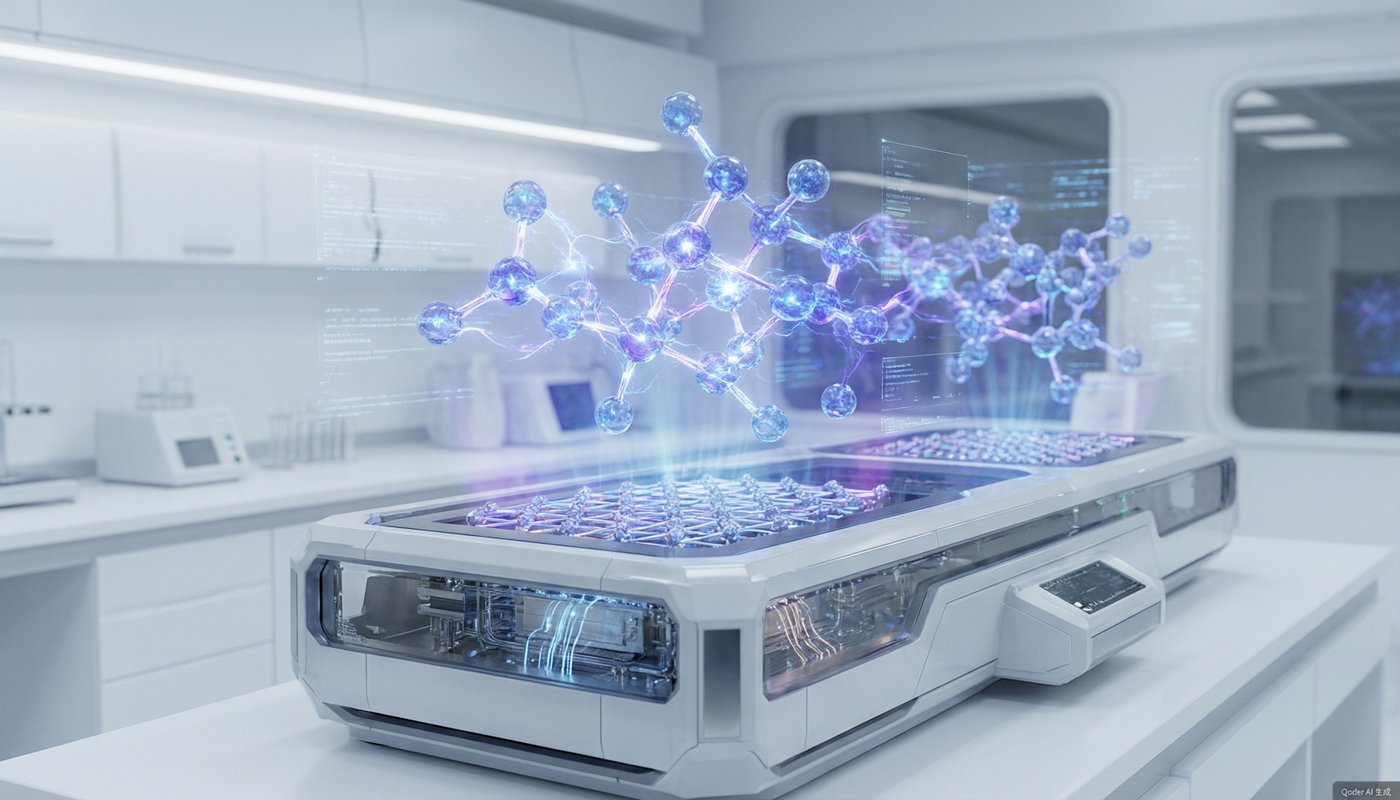
The search for new superconductors is slow for a reason: the number of possible materials is effectively infinite, and testing even a fraction of them in a laboratory takes years. The Aalto team’s method is intended to compress that timeline. Their model learned patterns from thousands of known compounds, and the quantum calculations filtered out candidates whose physics ruled out superconductivity before any synthesis work began. The screening reduced what would have been an impossible workload to a short list.
The two materials that emerged from the screening were then verified experimentally, according to the paper. The verification process itself was notable: the team synthesized samples, cooled them and measured resistance directly, following the same protocol that has exposed past claims as errors. Replication by other laboratories will be the real test, and several groups with superconducting measurement facilities are said to be preparing their own runs.
The team said the compounds had not previously been reported as superconductors, making them the first fruits of the machine-learning pipeline. While the paper does not name them among headline materials, researchers who read the results said the confirmation of two new entries in a single screening run is a meaningful result for the field’s methods.
The field has learned to treat discovery claims with caution. In 2023, a Korean team’s claim of a room-temperature superconductor called LK-99 electrified the internet before other laboratories failed to reproduce the result. Earlier claims of ambient-pressure room-temperature superconductivity were retracted after scrutiny. The Aalto group’s more modest claim, two low-temperature superconductors found by a new method, is easier to verify, and independent groups are expected to attempt replication in the coming months.
Physicists who study superconductivity said the value of the work may lie less in the two specific materials than in the method. If machine learning can reliably point researchers toward promising compounds, the bottleneck shifts from discovery to synthesis, and the search for a room-temperature superconductor becomes a more systematic process than the guesswork that has characterized it for a century. The team at Aalto worked with partners in several countries, and the project drew on a long-running Finnish effort to apply high-performance computing to physics problems. The researchers said the screening itself took weeks on university clusters, a workload that would have taken years on conventional laboratory equipment, and they plan to open parts of the pipeline to other groups.
Funding agencies have taken notice, with several programs now backing computational approaches to materials discovery.
The applications would be transformative if such a material were found. Superconductors already power MRI machines, particle accelerators and experimental fusion reactors, but their need for cryogenic cooling makes them impractical for most uses. A room-temperature version would change electricity transmission, computing and transportation, and it is the reason governments and companies have poured money into the search despite decades of disappointment.
For now, the practical payoff is distant. The two new materials are unlikely to find commercial use on their own, and the road from a confirmed low-temperature superconductor to a room-temperature one remains long and uncertain. What the Aalto result offers is evidence that the search itself can be industrialized, with algorithms doing the reading that generations of graduate students once did.
“This is not a breakthrough superconductor,” one materials scientist said of the new compounds. “It’s a breakthrough in how we look for them.” The distinction, the scientist added, is the one that matters for the field’s future.