Uber Technologies Inc. is pressing lawmakers in Washington to pass federal legislation governing autonomous vehicles, according to TechCrunch, in a lobbying campaign aimed at shaping the rules of the robotaxi race before Waymo’s head start becomes permanent. The company’s argument, delivered in meetings and in written materials on Capitol Hill, is that a single national standard is needed to replace the patchwork of state rules that currently governs self-driving cars.
The strategy is transparent, and the company does not hide it. A federal framework would, in Uber’s telling, create certainty for all players and speed the deployment of safe autonomous technology. In practice, as WIRED’s analysis put it, the approach is to slow the leader rather than speed up the follower: federal rulemaking takes time, and every year spent in the process is a year in which Waymo cannot convert its early advantage into permanent market share.
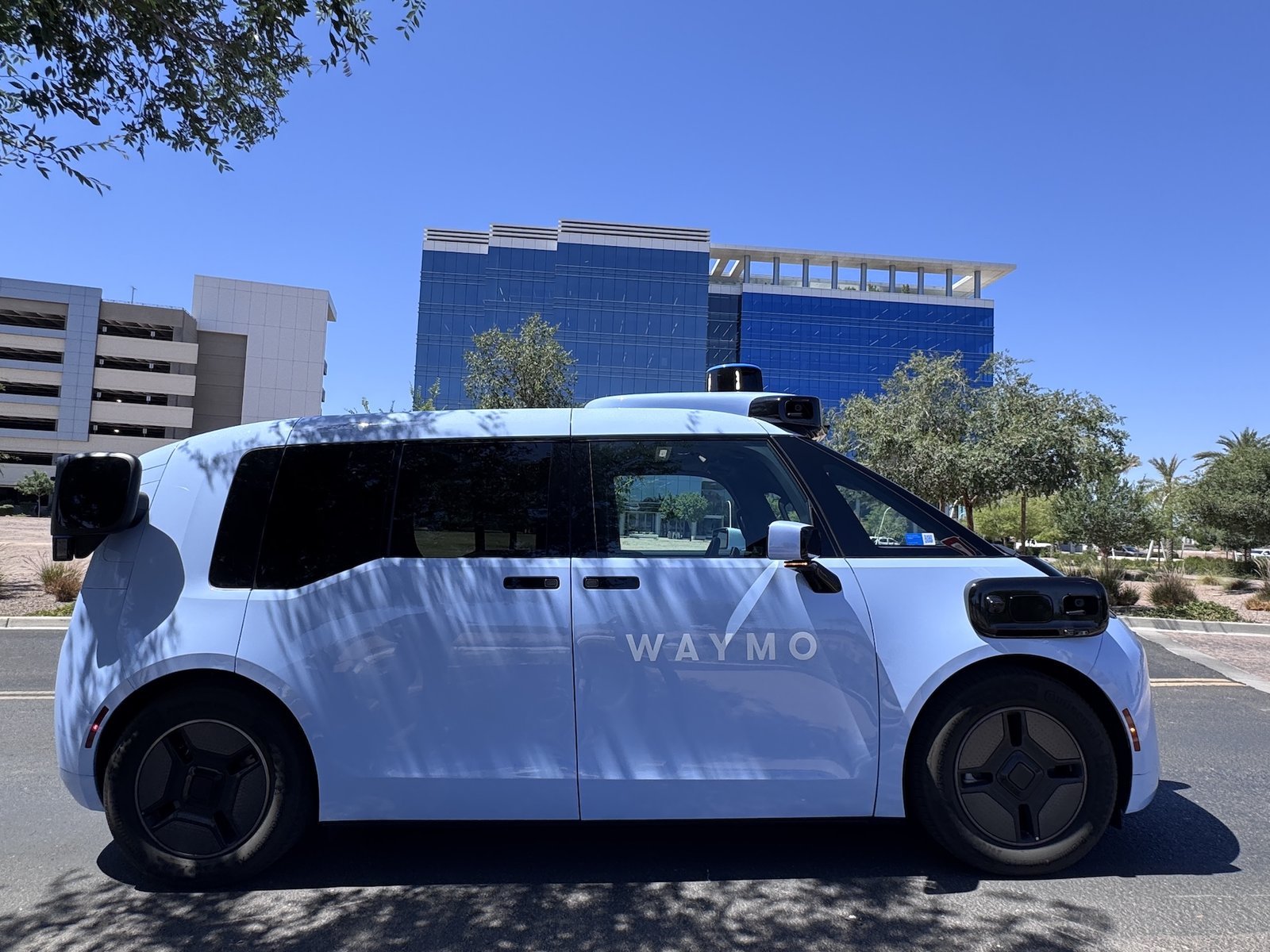
Waymo, owned by Alphabet Inc., has built the largest robotaxi fleet in the United States and operates paid service in several cities. Its lead is real, built on years of testing and on the data its vehicles have collected. Uber, which exited its own self-driving development after a fatal 2018 test crash in Arizona, has been trying to re-enter the space through partnerships, but it remains behind, and it knows that time is not on its side.
The lobbying push has several fronts. Uber is arguing for federal preemption of state rules, which would prevent states from imposing requirements that slow deployment. It is also pushing for a federal safety framework that, depending on how it is written, could raise the bar for the whole industry. The company’s public position is that higher standards benefit everyone; its competitors’ view is that standards written by committee tend to favor the company with the most lobbyists.
The stakes for Uber are existential in a way they are not for most of its rivals. Ride-hailing is the company’s core business, and robotaxis threaten to remove the driver from the cost structure of that business. If autonomous service becomes cheaper and more reliable than human-driven rides, the platform that controls the robots wins; the platform that merely coordinates human drivers faces a slow margin squeeze. Uber has hedged through partnerships with autonomous developers, but its own driver network is its largest asset and its largest cost, and the transition will be painful regardless of how it is managed. A slower federal process gives Uber time to reposition, to test autonomous partnerships in limited markets and to shape its platform for a world it does not yet control.
There is also a public-relations dimension to the campaign. Uber has spent years repairing its image after the scandals of its earlier era, and the AV push lets it present itself as the voice of safety and consumer choice against a rival it casts as a monopoly in the making. The framing resonates with regulators who worry about concentration in the autonomous market, and it gives Uber’s lobbyists a message that is easier to sell than a blunt request for delay. Whether the message survives contact with the industry’s actual behavior is another matter; the company’s history suggests that its rhetoric and its conduct have not always traveled together.
The politics are complicated. Autonomous vehicles have bipartisan appeal as a safety and mobility issue, but they also raise labor concerns, and the ride-hailing industry’s history with drivers makes it a sensitive topic in Washington. Uber’s own record, including its long fight with regulators and drivers over classification, gives lawmakers reason to treat its proposals with care. The company has spent heavily on federal lobbying in recent years, and it is now applying that apparatus to the AV question.
For Waymo, the response has been to keep expanding. The company’s strategy is to grow its service in more cities, build its brand and accumulate the data that makes its system safer with each mile. If federal rules take years to write, Waymo’s bet is that it will be so far ahead by then that the rules will only confirm its position. The two strategies are a race between a company that wants to slow the clock and one that wants to run out the clock.
The stakes extend beyond the two companies. Other players, including automakers and technology firms with autonomous programs, are watching the fight closely, and the outcome will shape their plans. A federal framework could open the market to companies that have been waiting for clear rules; a continuation of the state-by-state patchwork could favor the operators that have already navigated it.
For passengers, the fight is invisible but consequential. The rules that emerge will determine where robotaxis operate, how they are regulated and how quickly the service spreads beyond the cities where it exists today. The debate is being conducted in committee rooms and lobbying offices, but its outcome will show up in which apps offer a robotaxi button and which cities have them on the streets.
Uber’s campaign is a bet that Washington will move, and that the timing will help it. The company’s history in the capital has been a mix of confrontation and accommodation, and its current approach is the accommodation phase. Whether the strategy works depends on the patience of lawmakers and the momentum of its rival. In the meantime, the ride-hailing giant is doing what it does best: making sure the rules of the game are still being written.