
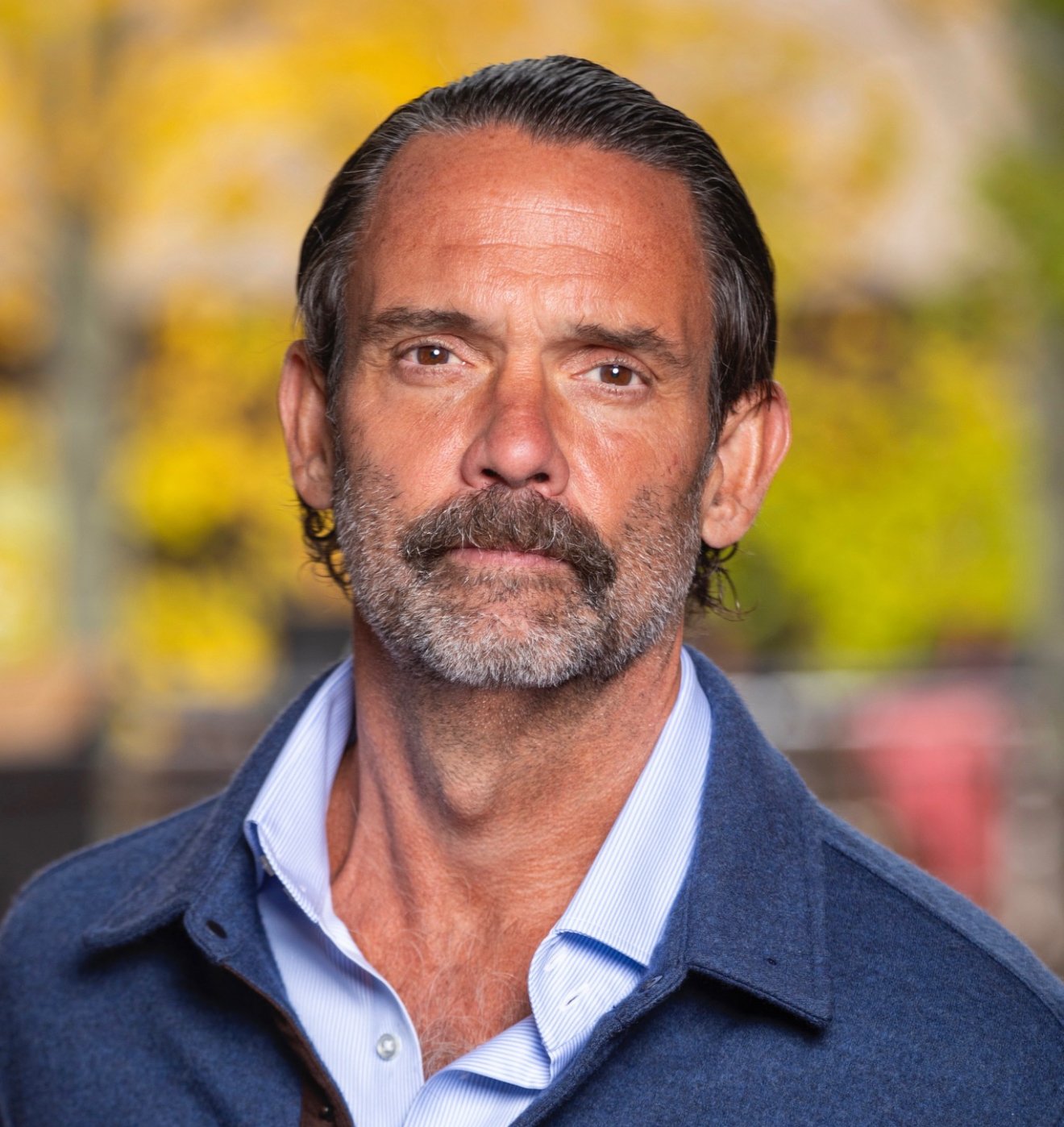
Founders Fund, the venture firm co-founded by Peter Thiel, has hired Ryan Beiermeister, a former OpenAI executive, to its investment team, according to TechCrunch. The move is the latest sign that the war for AI talent has spread from technology companies to the firms that fund them.
Beiermeister, who held a senior position at OpenAI before leaving, will help Founders Fund identify and back AI startups, people familiar with the matter said. The hire gives the firm an insider’s view of the industry it is investing in, the sort of knowledge that typically takes years of dealmaking to acquire.
The significance, as TechCrunch framed it, is structural. Top venture firms have spent the past two years competing to fund AI companies founded by people who once worked at OpenAI, Google DeepMind and Anthropic. The new play is simpler: hire the people themselves, and let the deals follow. The talent war has moved from the engineering floor to the partner track.
Founders Fund has a particular history with AI. It was among the earliest investors in OpenAI, back when the lab was a nonprofit with no product, and Thiel has long argued that artificial intelligence would reshape the economy. The firm’s AI portfolio has grown since, and the addition of an operator with OpenAI’s pedigree is meant to sharpen its edge in a market where the best deals go to the firms that can evaluate them first.
Founders Fund has been here before, in a sense. Thiel built the firm in 2005 with money from the sale of PayPal, and its early bets on Facebook, Palantir and SpaceX defined an era of venture investing that prized founders who had already built things. The firm’s style has always been thesis-driven, willing to back contrarian ideas that other funds passed on, and its record in AI is long: it backed OpenAI’s earliest rounds, invested in DeepMind before Google acquired it, and has since spread money across the AI stack, from model labs to robotics companies.
The hire of Beiermeister fits that history but also marks a change in method. Where the old Founders Fund backed founders on the strength of their stories, the new one is hiring people who can judge the technology itself, a shift that reflects how much the industry has changed since 2005. A firm that once made its name backing outsiders is now recruiting insiders, and the move has been read by some in the industry as an admission that the old playbook no longer works alone.
The hire also reflects a broader shift in how venture capital works in the AI era. Traditional investing relied on pattern recognition: look at what worked, fund the people most likely to repeat it. AI moves too fast for that playbook, and firms are hiring the people who built the technology to do the looking. Across the industry, funds have added researchers and former lab executives to their ranks, and the trend shows no sign of slowing.
For the people being hired, the appeal is the reach of the platform. A senior researcher at a lab can build one company; a partner at a top fund can back dozens, and the upside of a single breakout can exceed a lifetime of salary. For the funds, the hires are expensive but rational: in a market where capital is abundant and talent is scarce, the scarce input wins.
The trend is broader than one firm. Across Silicon Valley, venture funds have been hiring AI researchers and former lab executives for their investment teams, and some of the most prominent funds now have partners who have never written a check before but have trained the models that define the industry. The logic is simple: deal flow follows reputation, and in AI, reputation belongs to the people who built the technology. A fund that can offer a departing researcher a partner title and a piece of the carry can win deals that a traditional banker could never see.
The migration raises questions about the labs themselves. OpenAI, DeepMind and their peers have been fighting to retain senior people, matching outside offers and tightening equity grants, but the flow of talent into investing has a different quality: it doesn’t need to stop the bleeding at a competitor, it just needs to find a better use of the person’s time. For the ecosystem, the movement of knowledge from labs to funds spreads expertise broadly, which is good for the industry and harder for any single company to control. The war for AI talent, it turns out, has a second front, and it is fought with term sheets rather than offers.
The deeper question is what the migration means for the labs that lose the people. OpenAI, DeepMind and their rivals have spent fortunes retaining researchers, and the movement of executives into investing creates a channel through which the labs’ knowledge and relationships flow outward. That is a feature of a healthy ecosystem, some say; others see it as a slow leak of the moat.
For now, the hire is a single line in a firm’s announcement, but it fits a pattern that is reshaping the industry from both ends. The people who build AI are increasingly the people who decide who gets funded, and the firms that understand that first are the ones writing the checks.



