
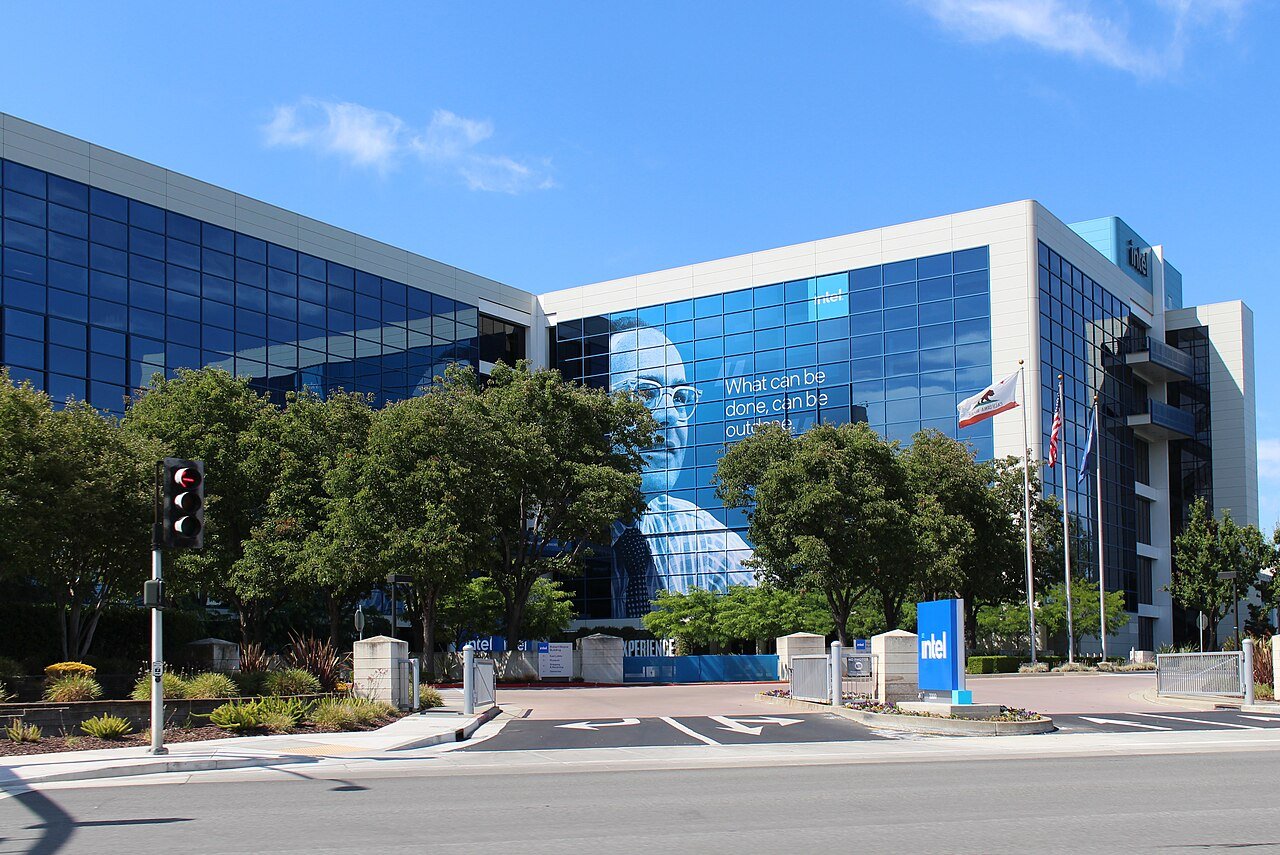
Intel Corp. and Alphabet Inc. report earnings next week, and investors are treating the two results as the first real test of whether the money flooding into artificial-intelligence infrastructure is being spent wisely, Reuters reported. The reports land at the end of a week in which chip stocks fell for two consecutive sessions and the market’s confidence in the AI trade wobbled.
The two companies sit at different points in the AI economy, which is why the pairing is instructive. Alphabet is one of the biggest buyers of AI infrastructure, spending tens of billions of dollars a year on data centers and chips to run its AI products. Intel is one of the companies trying to sell into that boom, as both a chip designer and a contract manufacturer. Together, their reports show both sides of the transaction: who is paying and who is getting paid.
For Alphabet, the question is whether the spending is producing returns. The company’s cloud business has been growing, and its AI products, from search features to its Gemini assistant, have drawn users, but the cost of that growth is enormous, and investors have begun to ask when the bills will be paid by revenue rather than by the balance sheet. A strong quarter would quiet those questions; a weak one would feed the narrative that AI spending has run ahead of demand.
For Intel, the stakes are more immediate. The company’s turnaround, under Chief Executive Lip-Bu Tan, depends on winning foundry customers and on selling processors into data centers, and its results will show whether either bet is working. Intel has been the most visible casualty of the AI transition, losing ground to Nvidia in data centers and to TSMC in manufacturing, and its earnings have become a referendum on whether it can catch up.
Alphabet’s capital spending has become one of the most closely watched numbers in the technology industry. The company, along with Microsoft, Amazon and Meta, has committed hundreds of billions of dollars to AI infrastructure over the next several years, and together the four hyperscalers now account for the majority of global spending on advanced chips. When those companies breathe, the semiconductor industry feels it, and investors have begun to wonder what happens when the breathing slows. Alphabet’s report will offer the first major update on that spending since the market’s mood shifted.
The company has also been fighting on a second front: proving that AI improves its core businesses rather than cannibalizing them. Its search engine faces competition from AI assistants that answer questions directly, and its answer has been to build AI features into search itself, a strategy that has kept usage up but raised the cost of every query. Executives have said the trade-off is worth it; the stock market, which has punished companies whose AI investments outrun their returns, will be the judge.
The market’s mood makes the reports more consequential than usual. This week’s selloff, which hit memory makers hardest and dragged the broader sector down, was driven by investors taking profits and questioning valuations, not by bad news from the companies themselves. That kind of correction can reverse quickly, but it can also accelerate, and the earnings from Intel and Alphabet will determine which path the market takes.
The numbers themselves will matter less than the guidance. Analysts said investors will parse the reports for what executives say about capital spending, order pipelines and the pace of AI adoption, signals that are harder to game than quarterly revenue. A disappointing outlook from either company, they said, could trigger a new round of selling across the technology sector, as the AI trade is priced for perfection.
Intel’s report will be read through a different lens. The company’s PC business, long its cash cow, has stabilized after a multi-year slump, and its server business has stopped losing share as quickly as it once did, but neither is growing fast enough to fund the foundry ambitions that investors are paying for. The foundry unit, which manufactures chips for other companies, has signed a handful of customers but remains deeply unprofitable, and its progress will be scrutinized line by line. Analysts said they will look for signs that outside customers are committing to Intel’s manufacturing in volume, not just in pilot programs.
The historical parallels are uncomfortable. The last time technology companies spent this heavily on infrastructure, in the late 1990s, the fiber-optic networks they built took years to fill, and the companies that built them took a decade to recover. AI spending could follow the same arc, with the buildout running ahead of the applications. What is different this time, the bulls argue, is that AI is already generating revenue, and that the largest spenders are the most profitable companies in history, which can absorb mistakes. The reports next week will put a number on how much room for error remains.
There is also a broader question the reports will inform: whether the AI buildout is a bubble or a boom. The bulls argue that demand for computing power is real and growing, and that the spending is a rational response to it. The bears argue that the infrastructure being built will outrun the applications that use it, and that the losses will eventually be recognized. Both sides will find ammunition in next week’s reports.
For now, the market is holding its breath. Chip stocks have pulled back, but they have not broken, and the buyers who drove the AI trade have been patient through earlier corrections. The reports from Intel and Alphabet will show whether that patience is rewarded.



