
Meta has left RE100, the global coalition of companies pledged to buy only renewable electricity, and plans to build a 7.5-gigawatt natural gas power facility in Louisiana to feed its AI data centers, the company said on July 24. The same day, BlackRock launched a $12.3 billion bond sale to finance Meta’s data center infrastructure.
The decision is a notable retreat from the corporate sustainability commitments that defined the past decade of technology company behavior. RE100, run by the Climate Group, counts hundreds of members who have pledged to source 100 percent renewable electricity, and Meta’s exit makes it one of the largest companies to abandon the pledge.
Meta’s stated reason is straightforward: AI data centers need power around the clock, and wind and solar cannot deliver it alone. The company has been among the largest buyers of renewable power in the world for years, but the scale of its AI buildout has outpaced what the grid and the renewables market can supply.
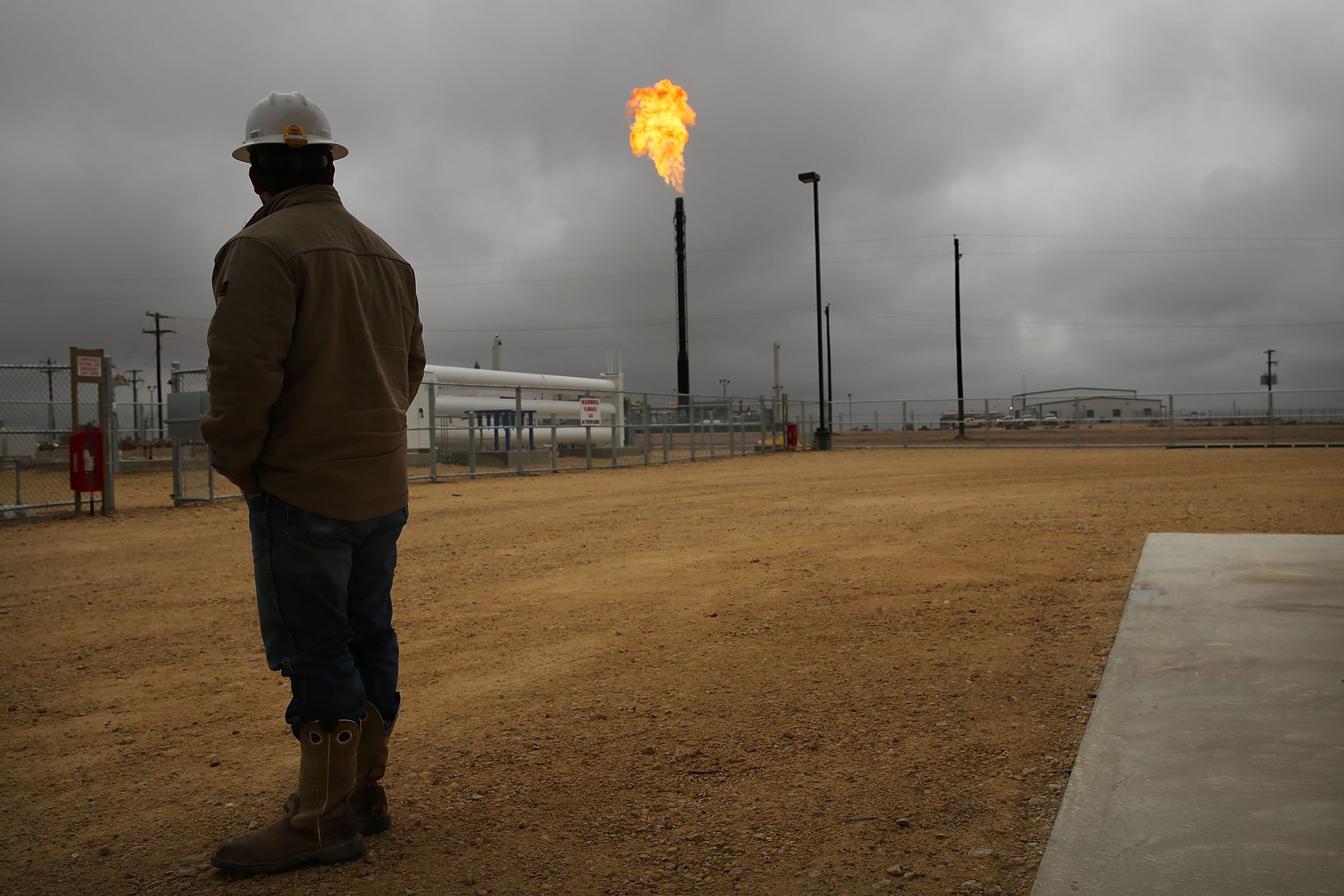
The Louisiana plant, at 7.5 gigawatts, would be one of the largest gas-fired power projects ever built for a single customer. The scale reflects the magnitude of AI’s energy appetite: a single large AI data center can consume as much electricity as a mid-sized city, and the facilities being planned now dwarf the data centers of a decade ago.
Meta’s move is part of a broader shift among hyperscalers. Companies that spent years signing renewable power purchase agreements have begun pairing renewables with firm power sources, gas, nuclear, and geothermal, as AI load growth outpaces the grid. Microsoft and Google have signed nuclear deals; Amazon has invested in small modular reactors. Gas is the fastest option to build, and it is the one the industry is turning to first.
The tension with climate goals is obvious. Meta has pledged to reach net-zero emissions across its operations, and natural gas, while cleaner than coal, still produces significant carbon emissions. The decision raises questions about how the company will reconcile its climate targets with the emissions from gas-fired generation, questions that Meta’s announcement left unanswered.
The financing side is equally striking. BlackRock’s $12.3 billion bond sale, arranged through its capital markets unit, is among the largest single debt deals ever tied to data center infrastructure. The sale underscores how the AI buildout has moved from balance sheets to the bond market: technology companies are borrowing at investment-grade rates to fund capacity that will generate returns years from now.
The bond market’s appetite for AI-linked paper has been strong all year, and Meta’s advertising business, which funds its AI ambitions, gives lenders confidence. Analysts said the sale reflects the scale of the buildout: even a company with Meta’s cash flow is choosing to borrow rather than slow the pace of spending.
The gas plant and the bond sale are two sides of the same strategy: secure power, secure capital, build capacity. Meta’s capital spending has climbed for three consecutive years, and executives have said the pace will continue as long as AI demand holds. The company’s AI data center program is now large enough that its power supply, not its budget, is the binding constraint.
Renewable energy advocates reacted with alarm. They said Meta’s exit from RE100 could encourage other companies to follow, weakening the corporate demand that has financed wind and solar projects for a decade. The pledge system worked because companies feared the reputational cost of leaving; a high-profile exit tests whether that fear survives contact with the AI buildout.
The power industry sees a different story. The AI buildout is creating the largest new source of electricity demand in a generation, and gas is the only resource that can scale fast enough to meet it. Power executives point out that renewables and gas are not mutually exclusive; the question is the mix, and the mix is shifting.
For Louisiana, the plant is an economic prize: construction jobs, tax revenue, and a new anchor for the state’s industrial base. The facility will still need regulatory approval, and large gas plants face permitting and legal challenges that can take years to resolve.
The deeper question is whether gas is a bridge or a destination. Power executives say gas will carry the AI era until nuclear and grid upgrades catch up; critics say every gas plant built now locks in emissions for decades. Meta’s answer, for now, is that AI demand cannot wait.
The bond sale, launched the same day, gives the strategy its financial footing. Taken together, the announcements describe a company that has decided the AI buildout is too important to be limited by its sustainability pledges, and that has found both the power and the money to act on that decision.



