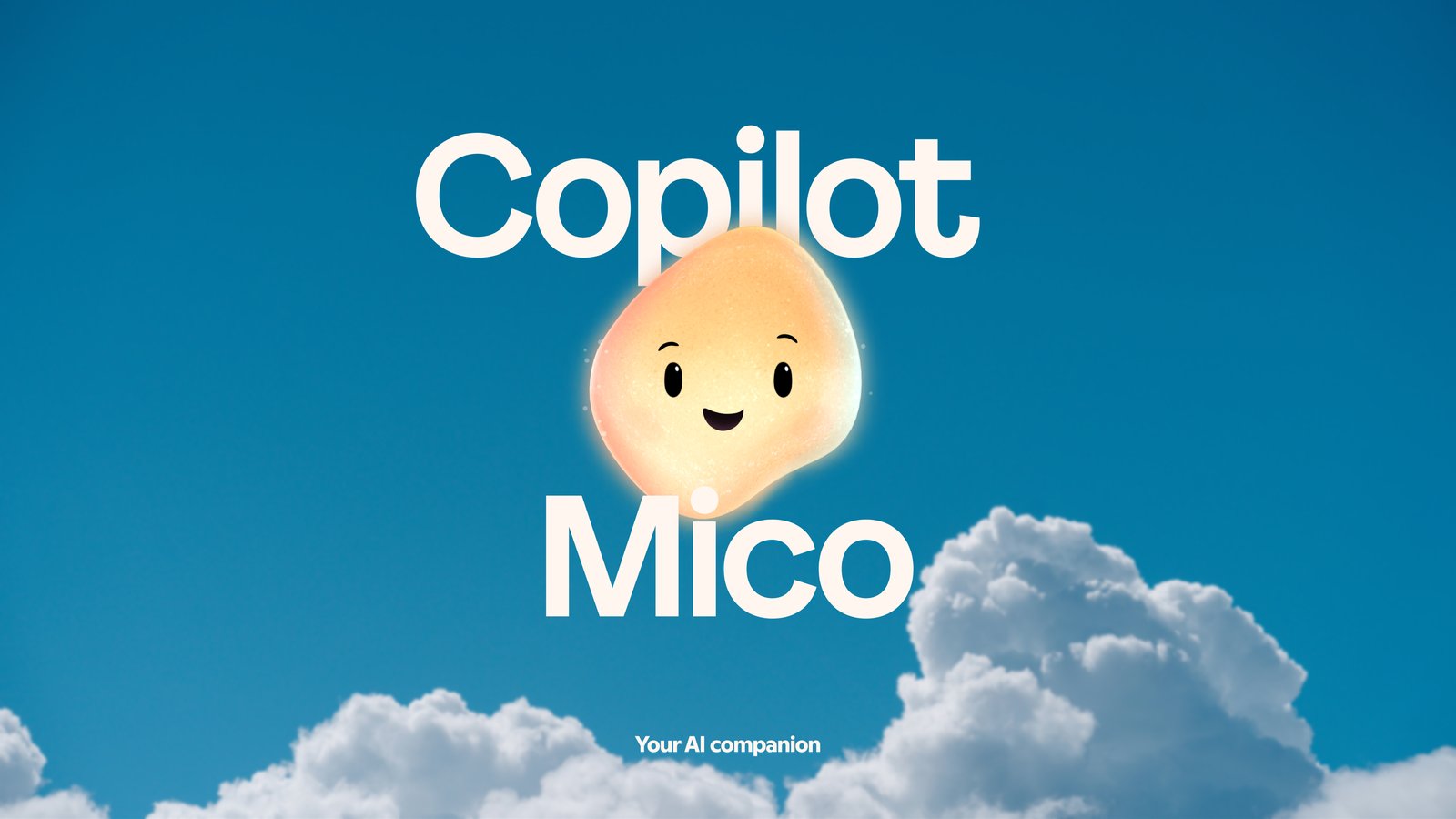
The mascot had a ten-month run: a round, purple creature named Mico that Microsoft introduced to give its AI assistant a face. On Aug. 13, the company said Mico is being retired, part of a broader restructuring of the Copilot product line that will merge the consumer and enterprise apps and shut down several features.
The changes take effect Aug. 18. The AI podcast feature, Group Chats and Deep Research will all be discontinued, and Microsoft will consolidate its two Copilot applications into one, ending the awkward split between the consumer assistant and the corporate assistant that confused users and diluted development effort. Employees were told the merger simplifies the product story and focuses engineering on the experiences customers actually use.
The retreat is notable because Microsoft has spent two years making AI the centerpiece of everything it ships. Copilot branding was applied to Windows, Office, Bing and the company’s developer tools, and executives spoke of AI as the new default for how its products would work. The cuts announced this week do not reverse that strategy; they narrow it. Microsoft is keeping the parts of Copilot that drive adoption and dropping the experiments that did not.
That is the pattern now visible across the industry. The free-feature era of AI, when companies bundled every conceivable capability into assistants to prove ambition, is giving way to a more selective approach. Microsoft’s moves, coming weeks after similar pruning at other large AI vendors, suggest a shared lesson: users want assistants that answer questions and get work done, not a growing menu of novelty features they never open.
The Mico mascot was a symptom of the earlier approach. Microsoft introduced the character this past year as a way to make Copilot feel friendlier, appearing in the app’s interface and in marketing materials. The character was widely mocked on social media and never became the brand asset Microsoft hoped. Its retirement, announced in the same message as the feature cuts, was framed by the company as a simplification, and few users mourned.
Group Chats, the shared conversation feature, and the AI podcast, which turned documents into audio discussions, had launched with fanfare and attracted modest usage. Deep Research, a feature that generated long-form reports on request, had a more devoted following but overlapped with the same capability inside the enterprise product. Microsoft’s decision to consolidate rather than maintain parallel versions is a recognition that maintaining two products with the same technology cost more than it returned.
The merged application will keep the capabilities users rely on, the company said, including chat, document analysis, image generation and the integrations with Microsoft 365 that make Copilot useful inside Word, Excel and Outlook. The enterprise version’s governance controls, the features that let administrators manage data access and compliance, will carry into the single app. Microsoft is betting that one product, with a clear enterprise focus, beats two products with overlapping identities.
Analysts said the cuts reflect pressure from Microsoft’s board and investors to show discipline in AI spending. The company has committed tens of billions of dollars to AI infrastructure, and executives have been asked to demonstrate that the investments produce revenue rather than a collection of demos. Pruning features that few people use is the cheapest form of that proof, and investors read the Aug. 13 announcement as a sign of financial maturity rather than retreat.
The timing also matters. Microsoft’s AI business is growing, with Copilot usage and Azure AI revenue climbing, but competitors are spending just as aggressively. Google, Amazon and a wave of startups are all selling AI assistants, and the market has reached the point where products need to be clear and focused to win. Microsoft’s consolidation is an admission that its own product line had become too complicated, and complexity is a cost no one wants to carry in a competitive market.
The company’s leaders have been candid about the recalibration. In internal communications described to reporters, executives told employees that the AI product era has entered a phase where retention and measurable usage matter more than feature counts. The merged app will include the telemetry and analytics that let Microsoft see which capabilities users actually open, and future development will be guided by those numbers rather than by internal enthusiasm. It is a management philosophy that sounds obvious but has rarely been applied to the AI business, where teams have shipped features on the logic that everything will be useful eventually.
For users, the changes mean fewer options and a simpler product. For the company, they mean a narrower bet with clearer accountability. And for the industry, they are another sign that the AI land-grab phase, when companies shipped everything and asked questions later, has ended. Microsoft, which started the AI race with the largest lead, is now showing how it intends to compete in the second half: fewer features, one app, and a mascot that will not be coming back.