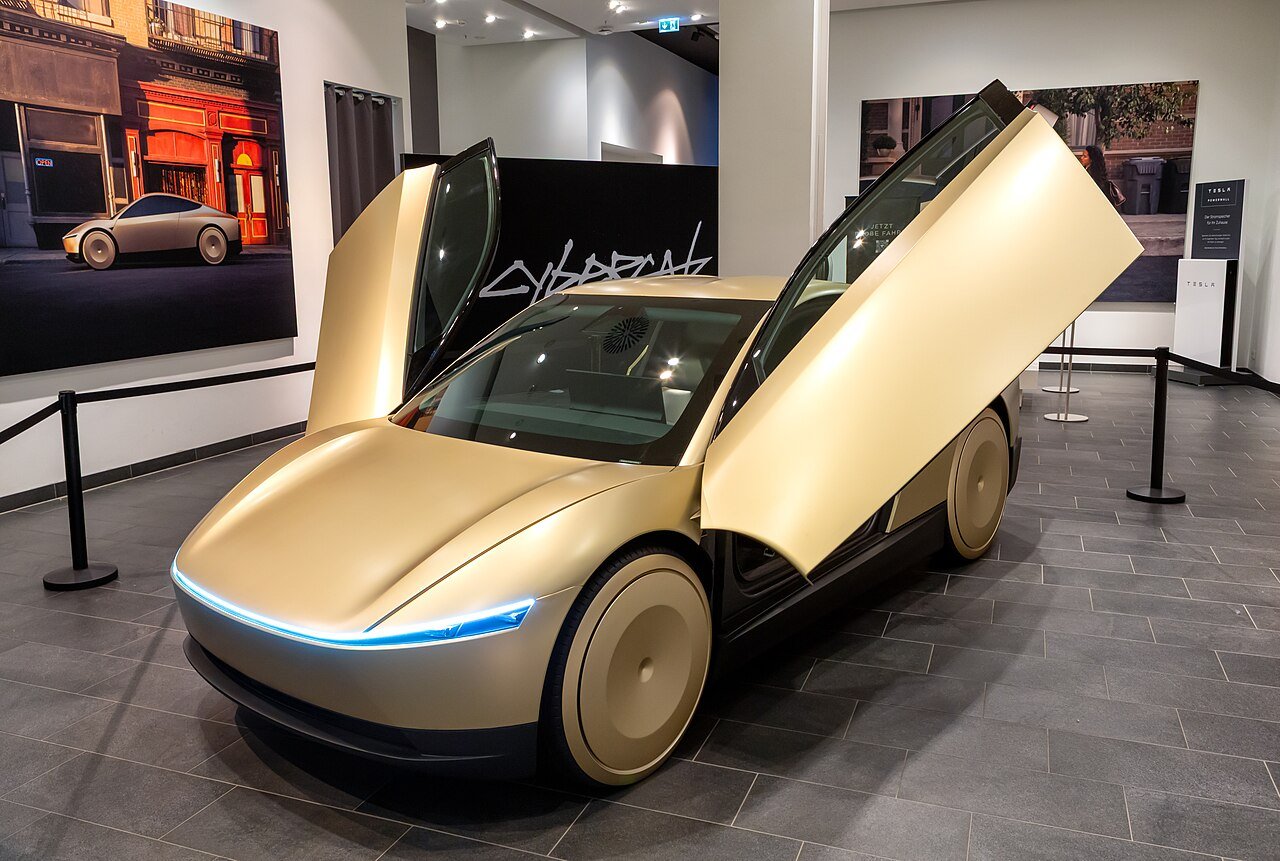
Inside Tesla’s Austin headquarters, employees are queuing for test rides in the Cybercab, the robotaxi the company has promised for years. The first rides for staff are underway, and the public launch is days away, The Next Web reported on Aug. 18. The moment Tesla has spent years preparing has finally arrived, and the gap between the product’s ambition and its regulatory reality has never been easier to measure.
The same week brought the measurement into focus. Nevada regulators approved a fleet of just 10 Cybercabs for Las Vegas, where Tesla had applied to operate 5,000. The approval came with conditions attached: a 45-mile-per-hour speed limit and a ban on trips to or from the airport. Zoox, the Amazon-owned robotaxi company, received approval for 100 vehicles in the same regulatory action, a contrast Tesla’s executives did not publicly address.
The numbers capture the distance between the company’s plans and the state’s willingness to accept them. Tesla has pitched the Cybercab as the vehicle that will make robotaxis a mass-market business, with production costs low enough to undercut human-driven rides and a design that removes the steering wheel entirely. Nevada has answered with a pilot program that would not cover the parking lot of the company’s own factory, let alone a city.
The conditions matter as much as the count. The 45-mile-per-hour cap keeps the fleet off freeways and limits the vehicles to surface streets, where speeds are lower and the operating envelope is easier to manage. The airport ban removes one of the most valuable route categories in ride-hailing, the trips that generate the highest fares and the most predictable demand. Together, the conditions tell Tesla what it can do, and what it cannot, and the list of cannots is long.
The caution reflects a regulatory mood shaped by the industry’s history. Autonomous vehicle companies have spent years recovering from crashes, suspensions, and investigations that followed their most aggressive deployments, and state officials have learned that the cost of approving too much too fast is paid in public confidence. Nevada’s answer has been to move in increments, and the increments are smaller than Tesla would like.
Analysts said the fleet numbers are the metric that matters. A robotaxi business needs density: vehicles concentrated in a small area, with enough trips per vehicle per day to cover the cost of the hardware, the software, the charging, and the insurance. A ten-car fleet is a demonstration, not a business, and the economics of the whole proposition change when the fleet is measured in dozens rather than thousands. Tesla’s own projections assume scale that regulators have not yet granted anywhere.
California, Tesla’s home state, has not cleared the service either, and the company’s public statements about launching there have been cautious. The pattern is consistent: product-ready, permission-pending. The Cybercab’s technology can be demonstrated in Austin, but the commercial launch that would make it a real business depends on approvals that are being granted in single digits.
The coming days will bring the loudest moment in Tesla’s robotaxi story, as the first public rides begin and the company’s supporters and skeptics argue over what they mean. But the number that will define the outcome is not the number of riders or the length of the demonstration. It is the size of the approved fleet, and for now that number is 10.
The Cybercab itself was designed for this moment. Tesla unveiled the vehicle in late 2024 with a futuristic interior, no steering wheel or pedals, and a promised price that would make robotaxi rides cheaper than human-driven ones, and the company has framed it as the product that will turn Tesla into a transportation service rather than just a car maker. The Austin test rides are the first time the public will see the design operating on real streets, and the launch has been years in the making.
The competitive context makes the fleet numbers harder to ignore. Waymo, the Alphabet-owned robotaxi operator, has been running paid driverless service in multiple cities and expanding its fleet into the thousands, and Zoox’s 100-vehicle Nevada approval shows that regulators are willing to approve larger numbers for operators with a longer operational track record. Tesla’s 10 is not just a number; it is a statement about where the company stands in a race it was expected to lead.
Tesla’s history of timeline promises adds to the scrutiny. The company has repeatedly announced launches that arrived late or in stages, and its executives have moved robotaxi dates more than once, which makes regulators cautious about approving capacity that the company may not be ready to use. Nevada’s small approval can be read as a hedge: grant a pilot, see how it performs, and expand if the operations justify it.
The economics will be tested in Austin first. If the employee rides go smoothly and the public launch follows, the company can point to operating data that no amount of marketing can produce; if the launch stumbles, the 10-vehicle approval will look like foresight. Either way, the pace of the robotaxi expansion is now set by regulators and by the operating record, not by anything the company says at an event.