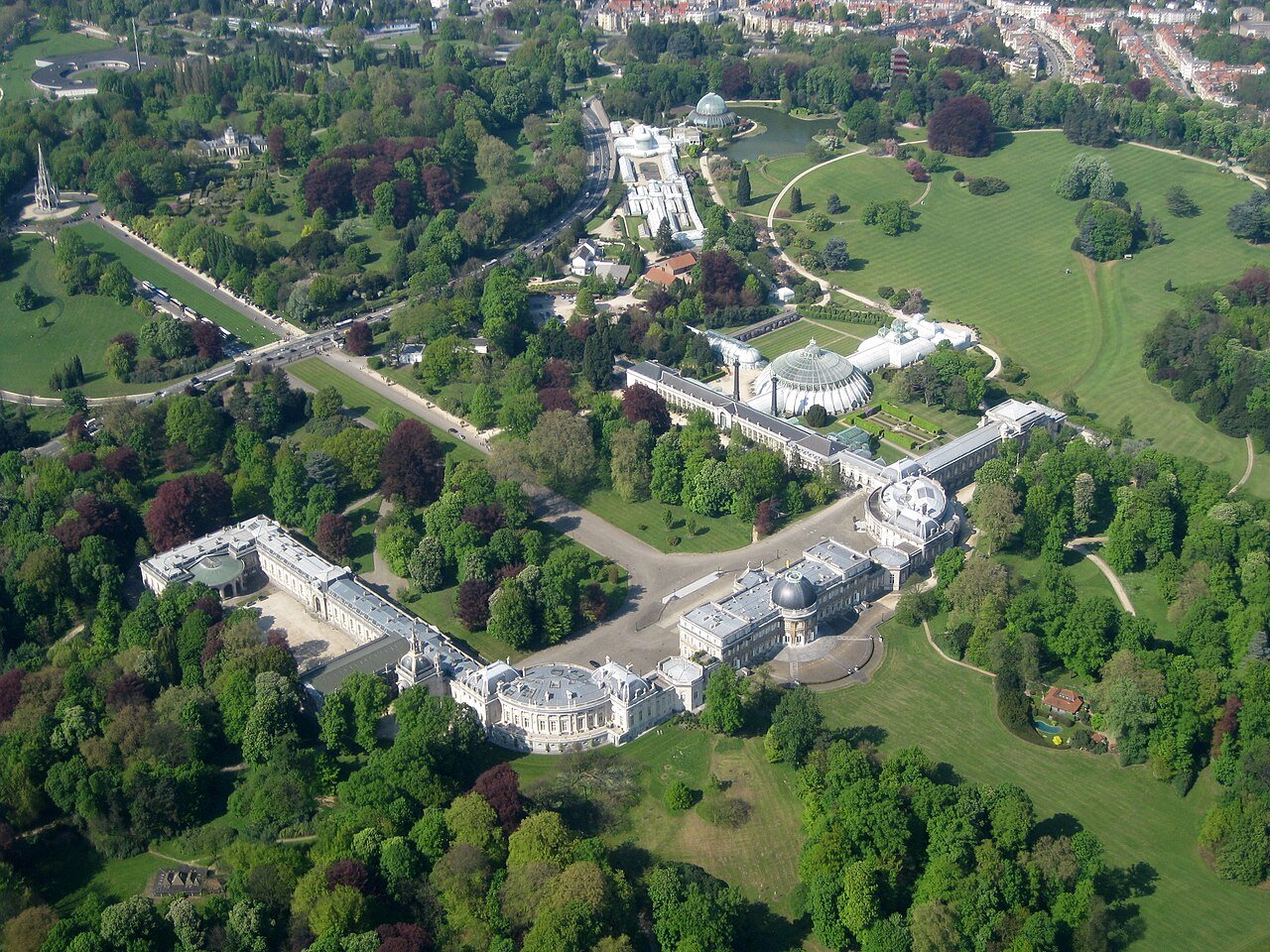
Clément Vandenkerckhove spent his twenties selling cars in a Belgian showroom, dealing with customers who had no idea that the man handing them keys was the son of a prince. He knew by then. His mother told him when he was sixteen that Laurent, the younger brother of King Philippe, was his father. He kept the secret for years before working up the courage to place a call.
Now the secret is public. Prince Laurent has formally recognized Vandenkerckhove as his son, a legal step registered at a town hall ceremony about six months ago, with details emerging only this week, according to Belgian media reports. A DNA test confirmed the paternity with a 99.5 percent match. Vandenkerckhove, twenty-six, is a prince of Belgium.
The title comes with precise limits. Vandenkerckhove inherits a share of his father’s private property, but he stands outside the line of succession, receives no royal allowance, and is not expected to take part in official royal duties. Belgian constitutional law reserves the throne for children born within a marriage approved by the government, and Vandenkerckhove was born in August 2000, years before Laurent married Princess Claire in 2003.
His mother, the singer Wendy Van Wanten, met Laurent at a fashion show in Paris in the 1990s, and their relationship produced a son who grew up without knowing his father’s identity. Vandenkerckhove has said he learned the truth at sixteen and was sworn to secrecy. In a television documentary aired last year, he described meeting the prince by chance in a shopping center in 2013, unaware of who he was. It was only after several phone calls, and a hospital visit arranged by Laurent, that the DNA test settled the question.
He does not plan to change his name. In an interview with a Belgian newspaper, Vandenkerckhove said he is proud of the surname his mother gave him and that abandoning it would betray everything she did for him. “I am proud of the name Vandenkerckhove,” he said. “Sacrificing that surname would be a betrayal to everything my mother did for me.” The decision keeps him at one remove from the royal house of Saxe-Coburg, even as the legal recognition pulls him closer.
The recognition ends a long period of ambiguity for Laurent, who has spent much of his public life at the edges of the Belgian monarchy. The prince, now in his early sixties, has a history of unconventional behavior and strained relations with the rest of the royal family, and his private life has been a subject of tabloid speculation for decades. Formal acknowledgment of an out-of-wedlock child is rare for a working royal, and the quiet town hall registration suggests both men wanted to settle the matter without a public spectacle.
Belgium has navigated similar paternity questions before, most notably in the case of Laurent’s own father. King Albert II, who abdicated in 2013, was ordered by Belgian courts in 2019 to provide a DNA sample after years of speculation that he had fathered a daughter with Baroness Sybille de Selys Longchamps in an extramarital affair. The court-ordered test confirmed the relationship, and the woman, Delphine Boël, was granted the title of princess. That episode showed that Belgian law and public opinion could accommodate such revelations with dignity, and the recognition of Vandenkerckhove follows a gentler path, agreed between father and son rather than imposed by a court.
For Vandenkerckhove, the change is real but bounded. He can use a princely title, and he stands to inherit part of his father’s estate, but the daily obligations of royalty do not attach to him. He will not receive public funding, will not represent the crown at ceremonies, and will not face the scrutiny that comes with a place in the succession. Analysts of the Belgian monarchy noted that the arrangement gives Laurent a way to acknowledge his son without disturbing the constitutional order.
The young man’s own account of his life suggests the title has changed less than one might expect. He has spoken openly about the panic attacks that plagued him during his years as a car salesman and about the relief of finally knowing his origins. He has said he liked the work and did it well, and he has given no indication that he intends to trade the showroom for a palace. His insistence on keeping his mother’s name is widely read here as a measure of where his loyalties lie.
Royal commentators point out that the practical consequences of the recognition are modest. Belgium’s royal family receives public funding through a civil list, and Laurent’s own allowance has been a recurring point of friction with parliament, which has occasionally questioned whether the prince’s conduct justifies public money. Vandenkerckhove, by contrast, will receive nothing from the state. His status is personal, not institutional: a father’s acknowledgment, recognized in law, that stops short of making him part of the working monarchy.
The broader lesson of the episode, constitutional scholars say, is that a modern monarchy can absorb an irregular family history without crisis. The recognition was registered quietly, announced carefully, and met with no serious objection from the government or the palace. King Philippe has made no public statement, and there is no indication the royal household intends to treat Vandenkerckhove as an active member of the family’s public life.
For a man who sold cars while carrying a secret about his own birth, the title is a form of closure. Vandenkerckhove now knows who his father is, and his father has said so publicly, in law. He has a princely name available to him and has chosen not to take it. The monarchy gains a member who wants nothing from it, and a former car salesman gains a family he spent sixteen years not knowing he had. Neither side seems eager to push the arrangement further than it has gone.