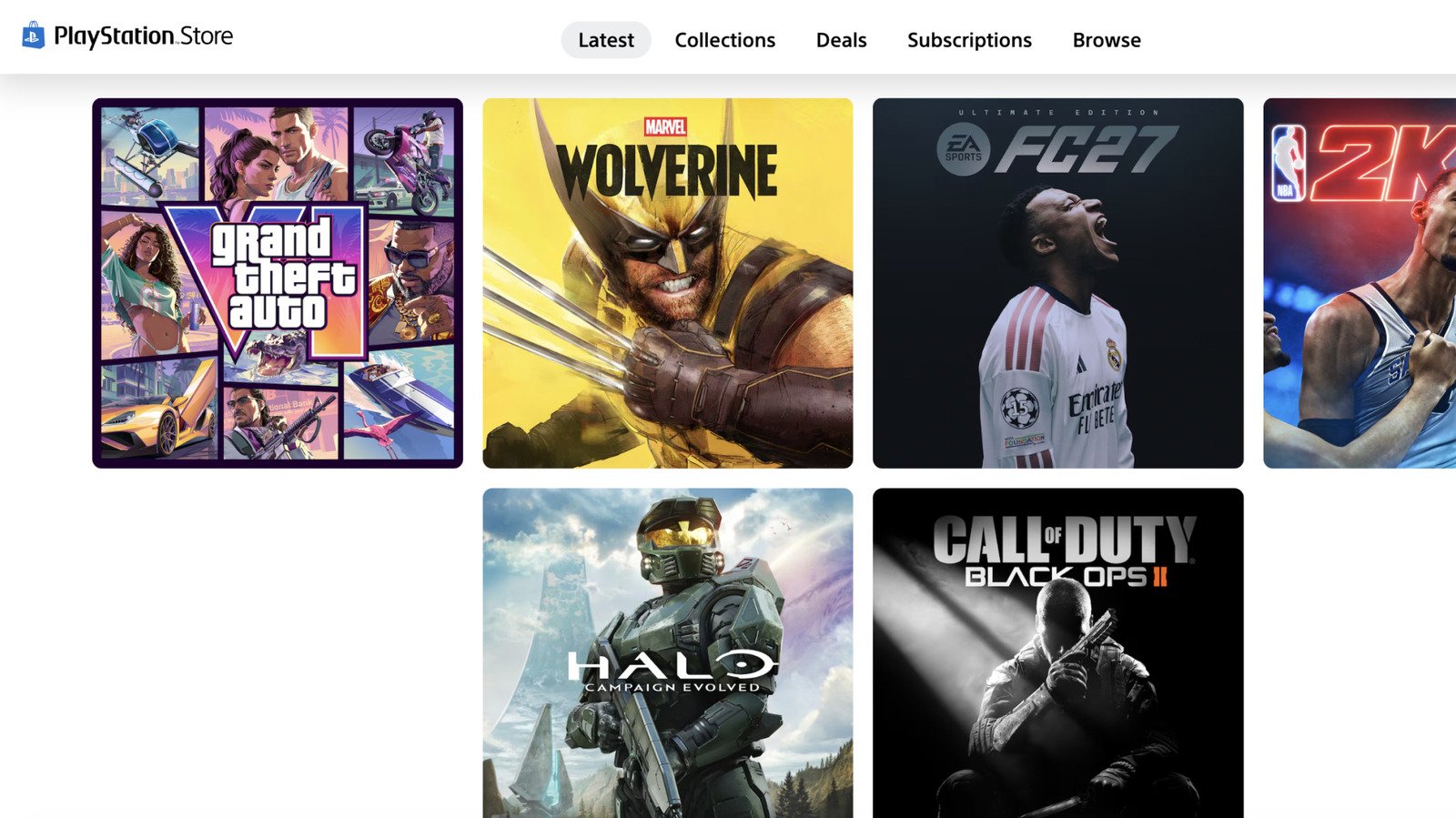
SAN FRANCISCO—Four California PlayStation owners walked into federal court here in June with a straightforward claim: when they bought digital games from Sony’s storefront, no one told them they were acquiring a license rather than the game itself.
Sony’s answer, laid out in court papers filed in recent weeks, is that no reasonable consumer could have missed it. People who understand how digital transactions work know that buying a game on the PlayStation Store does not transfer ownership, the company argues. The fight has become a test of what courts should presume shoppers understand in an industry where nearly every software sale is, in legal terms, a license.
The proposed class action was filed June 18 in the U.S. District Court for the Northern District of California. The four plaintiffs accuse Sony of failing to clearly and conspicuously explain at the moment of payment that digital game transactions do not transfer ownership. Instead, the company keeps that information in inconspicuous text and in separate agreements that buyers are never asked to open or acknowledge, according to the complaint.
Sony’s lawyers respond that the storefront itself signals the nature of the deal. Digital games arrive over the network, live in an account, and cannot be resold or lent the way a disc can. A reasonable consumer familiar with how such goods are sold understands the transaction is a license, the company said in its filing.
The dispute turns on language that appears only after a shopper has decided to pay. The checkout screen shows a price and a button marked “Buy.” The licensing terms sit in linked pages and user agreements that many players never read, the plaintiffs argue, and Sony never asks buyers to confirm that they understand they will not own the content. Sony says its terms of use and store pages have long described game purchases as licenses and that buyers should not be rewarded for ignoring documents presented to them before the sale.
Ownership carries real consequences. Someone who owns a game can resell it, trade it, lend it, or keep it after an account is closed; a license holder enjoys none of those rights and depends on the storefront staying in business and the account staying in good standing. The plaintiffs want to represent PlayStation owners nationwide and recover money for digital purchases they say were priced and presented as outright sales.
The economics explain the industry’s resistance. Publishers and platform holders capture far more from licensed digital sales than from physical discs, which carry manufacturing, shipping, and retail costs and, just as important, a resale market that pays publishers nothing. Once a player can resell a download, the game competes with itself in used form forever. That is why storefronts frame every transaction as a grant of permission rather than a transfer of property, and why the word “Buy” survives on the button while the word “license” survives in the fine print.
The case lands as the console business has gone almost fully digital. Downloads now account for the bulk of PlayStation game spending, and subscription tiers such as PlayStation Plus have accustomed a generation of players to renting access to large catalogs. Industry leaders have begun saying openly what the license agreements have always said: in early 2024, a senior Ubisoft executive told players they would need to get “comfortable with not owning your games,” a remark that drew a storm of criticism while describing the direction publishers were pushing.
Legal precedent cuts both ways. Courts have generally enforced click-through agreements, treating the act of accepting terms as binding even when few users read them. Judges have also allowed deceptive-marketing claims to survive when a sales page could reasonably lead a buyer to expect ownership and the fine print contradicts it. Which camp this case falls into may depend on how much weight the court gives to a screen that says “Buy” next to agreements that say “license.”
The case is in its early stages. Sony is expected to move to dismiss the complaint before discovery begins, a standard first step in consumer class actions, and the plaintiffs would then have a chance to amend their claims. Whether the dispute proceeds as a class action, and on what terms, may not be settled for more than a year.
Beyond the courtroom, the fight exposes the gap between how digital commerce feels and how it is built. Shoppers pay the same price, click the same button, and watch the same progress bar whether they are buying a game outright or acquiring licensed access. The mechanics of ownership—the right to resell, to transfer, to keep—have quietly disappeared from consumer software, replaced by account agreements drafted by the seller.
For Sony, the stakes include the value of the PlayStation Store itself, a storefront that has become one of the most lucrative pieces of the company’s game business. A ruling that forces publishers to put license language on the checkout screen would change little in practice; a ruling that treats digital game purchases as sales could threaten the model of controlled distribution on which the industry’s economics now rest.
Whatever the court decides, the case has surfaced a question many players ask as physical media fades: if a library of hundreds of titles can disappear with one account suspension or one storefront closure, was it ever really theirs? A federal judge in California may soon supply an answer.