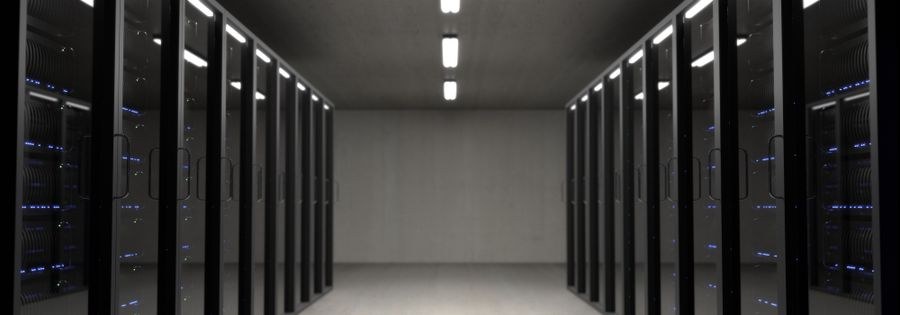
Ruth Porat chose a Helsinki stage for the number: at least 13 billion euros, or about 15.1 billion dollars, over the next two years. The chief investment officer of Google parent Alphabet said on September 9 that the company will spend the money on AI infrastructure in Finland, its largest single investment in Europe, and pair it with the first power purchase agreement for nuclear energy the company has signed outside the United States.
The commitment covers at least three new data centers and an expansion of the company’s existing campus in Hamina, a southeastern port city that already hosts one of Google’s oldest European facilities. Google will also work with the Finnish energy company Fortum to explore new nuclear and renewable power projects. Porat called the nuclear agreement “a key building block” for everything Google does in the country.
The announcement lands at a moment when the largest cloud providers are competing to lock down electricity before they build. Data centers for AI training consume power on a scale that local grids often cannot supply, and companies have begun signing long-term deals for nuclear output years before the plants are ready. Google’s Finnish contract follows similar nuclear agreements in the United States, where the company has bought power tied to planned small modular reactors.
Finland has spent years courting exactly this kind of investment. The country offers cheap, largely carbon-free electricity, cold weather that reduces cooling costs, and a government that has been friendly to data center development. Google opened its Hamina site in 2011 after buying a former paper mill, and the location has grown into one of its largest European operations.
The 13 billion euro figure is large even by the standards of the current build-out. Alphabet told investors in July that its full-year capital expenditure for 2025 could reach as high as 205 billion dollars, up from earlier guidance, as it races to expand capacity for its Gemini models and cloud business. The Finnish commitment represents a meaningful slice of that total, concentrated in a single country.
The money buys more than servers. Google said the investment will create construction jobs in the near term and a permanent base of engineering and operations roles around the new campuses. It also deepens a relationship the company has cultivated since it opened Hamina in 2011, and which Finland has matched with tax treatment and planning approvals that other European countries have been slower to offer.
Analysts have pointed to Northern Europe as the region best positioned to absorb the data center boom. Sweden and Norway have attracted their own large projects, and Finland’s combination of nuclear and wind power gives it an advantage over markets still dependent on gas. The Fortum relationship suggests Google is trying to secure generation capacity, not just grid access, which has become the binding constraint on new AI infrastructure.
The nuclear component is the most closely watched part of the deal. Hyperscalers have spent the past two years signing agreements with reactor developers and existing plant operators, betting that nuclear power can provide the steady, carbon-free output that data centers demand around the clock. Google’s Finnish agreement, as its first overseas nuclear contract, extends that playbook beyond the American market where it began.
Microsoft has made a comparable move in the United States, agreeing to help restart the Three Mile Island plant in Pennsylvania, and Amazon has backed reactor developers while signing power deals tied to new nuclear projects. All three hyperscalers have concluded that the data center build-out cannot wait for grid-scale renewables alone, and that firm, dispatchable power is now the scarce resource.
Fortum, the utility Google will work with, operates the largest nuclear fleet in the Nordics, including the Loviisa plant. A tie-up with Fortum gives Google a partner that already runs reactors rather than a startup promising one, which matters when the goal is power within a few years rather than a decade.
Porat framed the deal as more than a transaction. She said the investment would support Finnish industry and education, and that Google intends to be in the country for the long term. Local officials welcomed the scale of the commitment, which will add thousands of construction jobs and a permanent base of high-skill employment around Hamina and the new sites.
The strategy behind the announcement is not subtle. By bundling data centers and nuclear power into a single package, Google is trying to secure both the floor space and the electrons before competitors can. Finland, in exchange, gets a claim on being the European home of the AI build-out. Whether the reactors, the grid connections, and the construction timeline all hold will determine whether 13 billion euros turns out to be the start of something larger or a very expensive hedge.