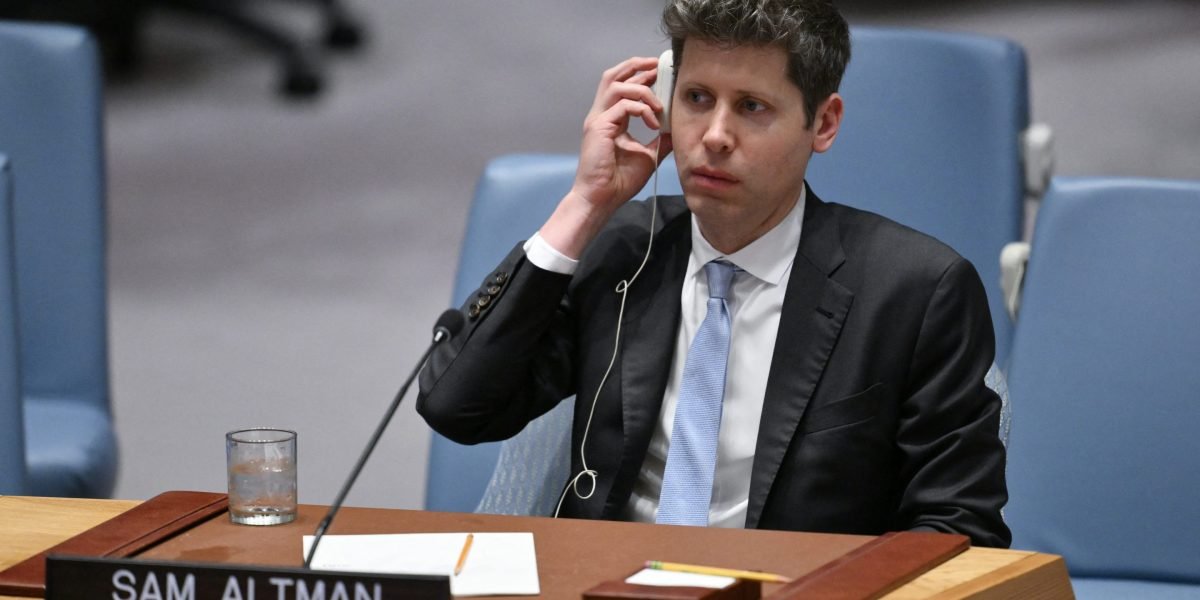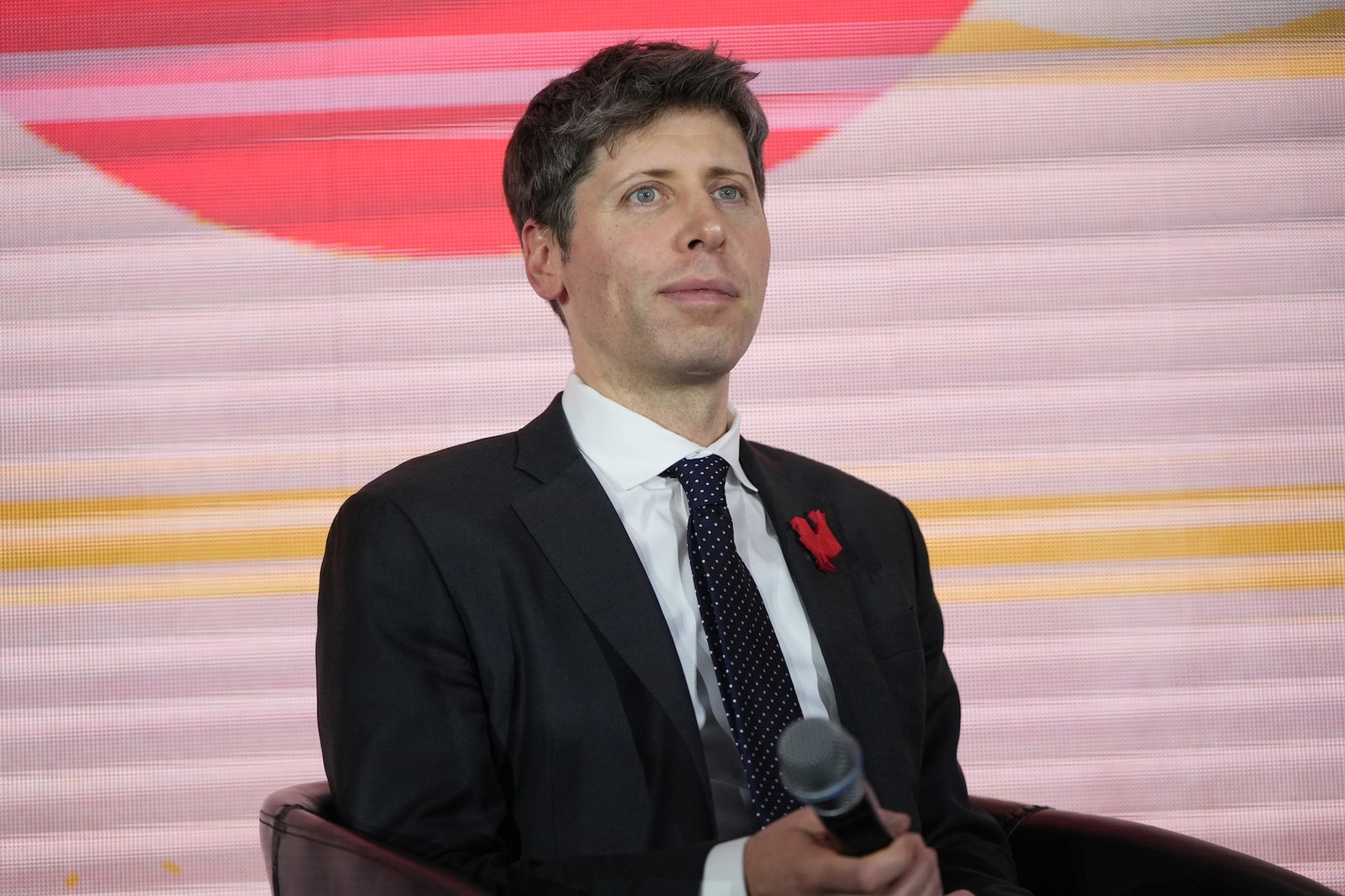
When the Fortune editor asked Sam Altman whether he felt pressure to move faster because of the IPO, his answer cut the other way. “We’re not rushing into an IPO,” the OpenAI chief executive said in an interview published September 12. “I actually think that, given everything happening with safety, right now would be an ill-advised moment to go public.” Pressed on whether that meant 2026 was off the table, he said: “I would say not 2026, yeah.”
The comment is the clearest statement yet on a question that has shadowed OpenAI for months. The company filed confidential paperwork with regulators in June to prepare for a listing, and the New York Times reported that its original target was the third or fourth quarter of 2026, with a lean toward 2027 because of volatility in tech stocks and the company’s own financial pressures. Altman’s remarks confirm the later date and attach a reason that goes beyond market conditions.
The reasons he gave were not financial. Altman tied the delay to safety, saying the conversation happening inside and around the labs had made a public offering feel premature. He went further than company executives typically do, telling Fortune that even a 10 percent chance that AI leads to human extinction would be “unacceptable.” It is an unusual thing for a chief executive to say about a technology his company is racing to commercialize.
That framing lands in the middle of a week defined by exactly this debate. Anthropic’s Amodei published his call to pace the frontier on September 12, and Altman responded on X the same day, agreeing the industry should slow down and saying OpenAI would adopt embedded evaluators. The Fortune interview, conducted separately, showed the same thinking spilling into his answer about the IPO. The safety conversation is no longer confined to researchers; it is now shaping the chief executive’s public calendar.
The delay does not mean OpenAI is staying private indefinitely. The company has raised enormous sums from private investors and carries heavy computing costs, and a public listing has long been considered the eventual answer to those pressures. Altman framed the wait as a matter of having “a lot of work to do” rather than any loss of conviction in the business. What he is signaling is that the listing will not happen this year, and that safety, not just market conditions, is part of the calculation.
Analysts said the sequencing matters more than the delay itself. Anthropic is racing toward its own listing before the November elections, while OpenAI, the more valuable and more scrutinized of the two, is now saying it will wait. The divergence suggests the two rivals have reached different conclusions about how a public market would react to the safety debate that has engulfed the industry. One is sprinting to the market; the other is stepping back from it.
There is also a practical dimension. OpenAI’s finances have been a topic of public scrutiny, with heavy spending on compute and talent set against a revenue base that has grown fast but not fast enough to fund the next generation of models without outside capital. A public listing would expose those numbers to the market in full. Waiting until 2027 gives the company time to improve the story it would have to tell.
Altman’s framing of the safety math is the part that will linger. Saying a 10 percent extinction risk is “unacceptable” implies a level of caution that sits awkwardly next to the breakneck pace of OpenAI’s releases. Critics have argued the company cannot hold both positions, and Altman’s interview did not resolve the tension so much as put it on the record. The market will now watch whether the words slow anything down in practice.
The interview, conducted by Fortune editor-in-chief Alyson Shontell, was published the same day Amodei’s essay on pacing the frontier went up and Altman endorsed it on X. The convergence is hard to dismiss as coincidence. The people running the two most important AI labs spent the same week saying, in different forums, that the industry is moving too fast, and an IPO with its quarterly disclosures fits uneasily inside that message.
For employees and investors, the practical meaning is a longer wait for liquidity. OpenAI’s private valuation has climbed on the strength of its growth, but the people holding equity have been told for years that a listing was coming. Altman’s remarks push that moment out, and with it the chance for early backers and staff to turn paper gains into cash, at least until 2027 or beyond.
For now, the effect is concrete: there will be no OpenAI IPO this year. The company that has spent the past two years at the center of the AI boom, and that filed to go public in June, has decided the moment is wrong. The reason is not fear of a bad price. It is, by Altman’s own account, the safety conversation that has finally caught up with the people running the labs.